
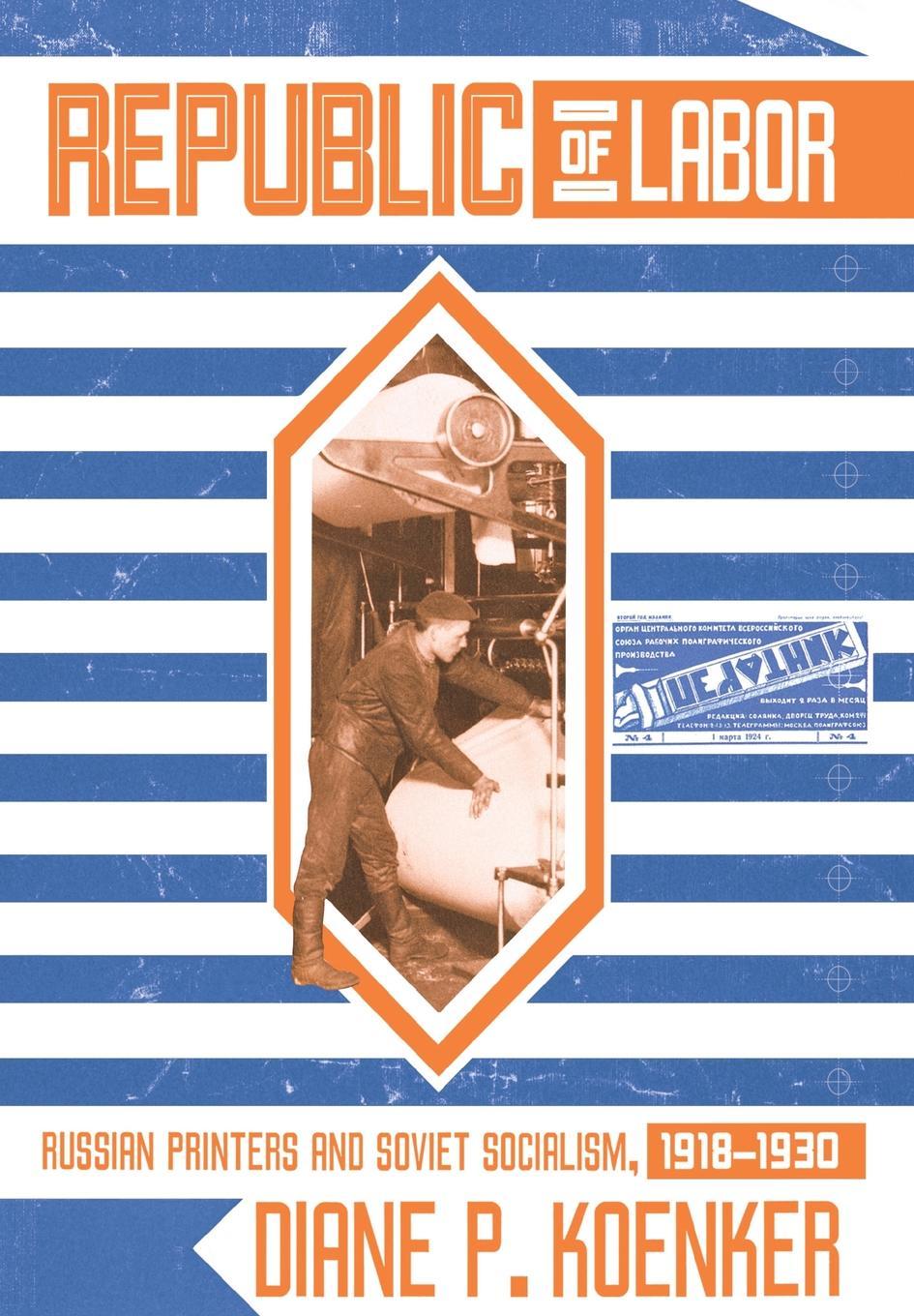
The long decade from the October Revolution to 1930 was the beginning of a great experiment to create a socialist society. Throughout these years, socialist trade unions attempted to transform the Russian worker into a productive and enthusiastic participant in this new order. How did the workers themselves react to these efforts? To what extent were they and their culture transformed into the ideal forms proclaimed in the official ideology?
In Republic of Labor, Diane P. Koenker illuminates the lived experience of Russia's printers, workers who differed from their comrades because of their skill and higher wages, but who shared the same challenges of economic hardship and dangerous conditions. Paying close attention to the links between work, politics, and the everyday, the author focuses on workers' efforts to define their place in socialist society. Gender issues are also emphasized, and here we see the persistence of a masculinist working-class culture counterposed to an official culture promoting gender equality. Through this engaging narrative, Koenker develops a highly original discourse about class in Soviet society that will interest all students of Russian history as well as those readers who wish to reinvigorate class as a historical and sociological tool of analysis.
Betaal eenvoudig met kaart, Klarna, Apple Pay of Google Pay. Niet tevreden? Je hebt altijd 14 dagen bedenktijd. Lees meer in onze voorwaarden. Heb je vragen, mail ons dan via hello@memmo.org.
Memmo maakt studeren makkelijker – waar je ook bent ter wereld. Wij brengen je cursusboeken en slimme studietools samen op één plek: samenvattingen, quizzen, podcasts en flashcards. En Ted, je studievriend die antwoord geeft op alles wat je je afvraagt. Meer dan 50.000 studenten studeren hier al – gebouwd om je sneller te laten leren en minder stress te geven.