
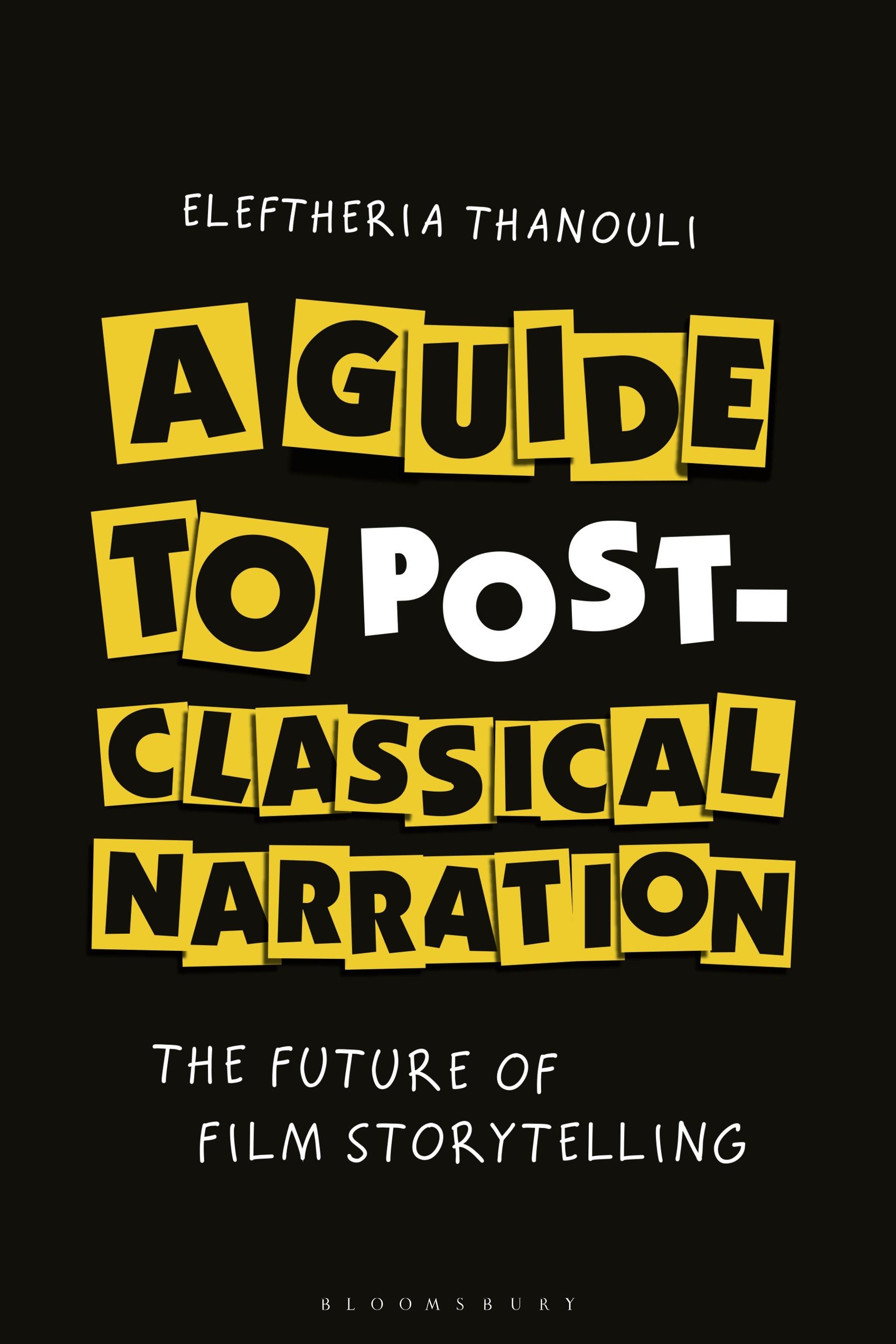
In A Guide to Post-classical Narration, Eleftheria Thanouli expands and substantially develops the innovative theoretical work of her previous publication, Post-classical Cinema: an International Poetics of Film Narration (2009).
A Guide to Post-classical Narration: The Future of Film Storytelling presents a concise and comprehensive overview of the creative norms of the post-classical mode of narration. With dozens of cases studies and hundreds of color stills from films across the globe, this book provides the definitive account of post-classical storytelling and its techniques. After surfacing in auteur films in varied production milieus in the 1990s, the post-classical options continued to gain ground throughout the 2000s and 2010s, gradually fertilizing several mainstream productions in Hollywood. From Lars von Trier's Europa (1991) to Zack Snyder's Army of the Dead (2021) and Baz Luhrmann's Elvis (2022), the post-classical narration has shown not only impressive resilience but also tremendous creativity in transforming its key formal principles, such as fragmented and multi-thread plotlines, hypermediated realism, parody, graphic frame construction, complex chronology, and intense self-consciousness.
Through the meticulous textual analysis of the post-classical works, Eleftheria Thanouli addresses head-on a series of methodological questions in narrative research and brings the tradition of historical poetics back into the limelight. By reinforcing her previous work with numerous new films as well as more nuanced narrative terms and concepts, she not only strengthens her position on post-classical cinema but also establishes the relevance of formalist analysis in the study of film today.
A Guide to Post-classical Narration: The Future of Film Storytelling presents a concise and comprehensive overview of the creative norms of the post-classical mode of narration. With dozens of cases studies and hundreds of color stills from films across the globe, this book provides the definitive account of post-classical storytelling and its techniques. After surfacing in auteur films in varied production milieus in the 1990s, the post-classical options continued to gain ground throughout the 2000s and 2010s, gradually fertilizing several mainstream productions in Hollywood. From Lars von Trier's Europa (1991) to Zack Snyder's Army of the Dead (2021) and Baz Luhrmann's Elvis (2022), the post-classical narration has shown not only impressive resilience but also tremendous creativity in transforming its key formal principles, such as fragmented and multi-thread plotlines, hypermediated realism, parody, graphic frame construction, complex chronology, and intense self-consciousness.
Through the meticulous textual analysis of the post-classical works, Eleftheria Thanouli addresses head-on a series of methodological questions in narrative research and brings the tradition of historical poetics back into the limelight. By reinforcing her previous work with numerous new films as well as more nuanced narrative terms and concepts, she not only strengthens her position on post-classical cinema but also establishes the relevance of formalist analysis in the study of film today.
Pagina's: 288
Categorie: Litteraturvetenskap & Teori
e-ISBN: 9781501393099
Verzendgewicht: 1.2 kg
Verzending binnen: 1-2 dagen
Betaal eenvoudig met kaart, Klarna, Apple Pay of Google Pay. Niet tevreden? Je hebt altijd 14 dagen bedenktijd. Lees meer in onze voorwaarden. Heb je vragen, mail ons dan via hello@memmo.org.
Memmo maakt studeren makkelijker – waar je ook bent ter wereld. Wij brengen je cursusboeken en slimme studietools samen op één plek: samenvattingen, quizzen, podcasts en flashcards. En Ted, je studievriend die antwoord geeft op alles wat je je afvraagt. Meer dan 50.000 studenten studeren hier al – gebouwd om je sneller te laten leren en minder stress te geven.