
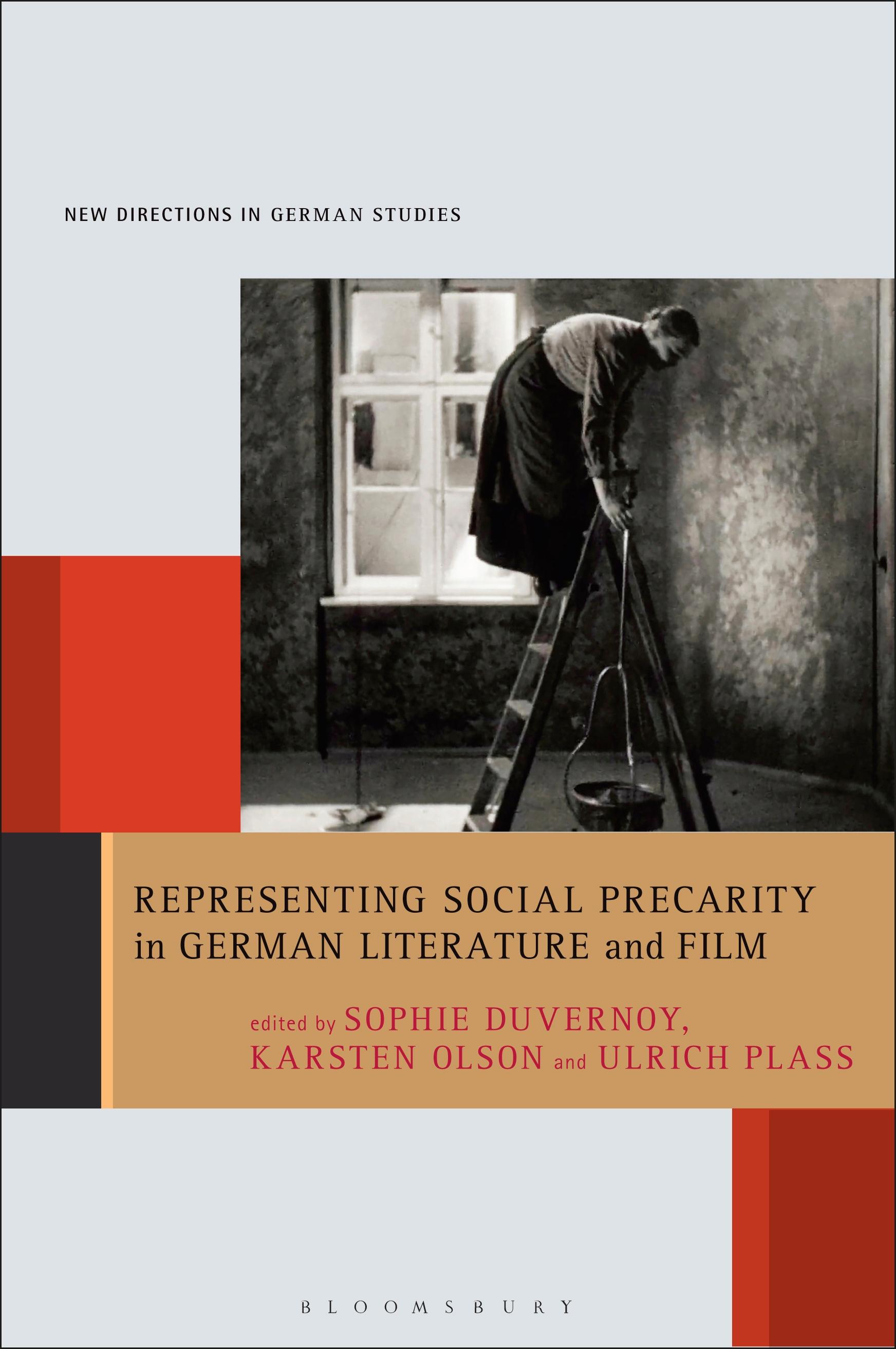
Using Germany as a national case study, this volume examines the historical genesis of precarity, its evolution from 19th-century industrial modernity to the present, and its reflections and reconfigurations in artistic production, in particular with relation to work, gender, and sexuality.
“Precarity is everywhere now,” sociologist Pierre Bourdieu declared almost thirty years ago. Not only declining middle-class standards of living, but also debt, drug addiction, housing and food insecurity, depression, and “deaths of despair” are now being recognized as symptoms of the downward pull of social precarity. Although these and similar ills have been attributed to neoliberal policies of deregulation, privatization, and willful neglect of the common good, precarization has accompanied the booms and busts of industrial modernity from its beginnings.
Representing Social Precarity in German Literature and Film explores how German and Austrian literature, film, and social history have engaged with social precarity, from the period of Romanticism and early industrialization to the present. The chapters in this volume deal with precarity as both an objective phenomenon reflected in literary and filmic representations and as a subjective phenomenon that gives these representations their particular shape. Representing Social Precarity in German Literature and Film opens new critical perspectives on diverse forms of lived precarity and their creative manifestations by reflecting on the history of capitalist modernity from the vantage points of weakness, vulnerability, marginality, impoverishment, and otherness.
“Precarity is everywhere now,” sociologist Pierre Bourdieu declared almost thirty years ago. Not only declining middle-class standards of living, but also debt, drug addiction, housing and food insecurity, depression, and “deaths of despair” are now being recognized as symptoms of the downward pull of social precarity. Although these and similar ills have been attributed to neoliberal policies of deregulation, privatization, and willful neglect of the common good, precarization has accompanied the booms and busts of industrial modernity from its beginnings.
Representing Social Precarity in German Literature and Film explores how German and Austrian literature, film, and social history have engaged with social precarity, from the period of Romanticism and early industrialization to the present. The chapters in this volume deal with precarity as both an objective phenomenon reflected in literary and filmic representations and as a subjective phenomenon that gives these representations their particular shape. Representing Social Precarity in German Literature and Film opens new critical perspectives on diverse forms of lived precarity and their creative manifestations by reflecting on the history of capitalist modernity from the vantage points of weakness, vulnerability, marginality, impoverishment, and otherness.
Betaal eenvoudig met kaart, Klarna, Apple Pay of Google Pay. Niet tevreden? Je hebt altijd 14 dagen bedenktijd. Lees meer in onze voorwaarden. Heb je vragen, mail ons dan via hello@memmo.org.
Memmo maakt studeren makkelijker – waar je ook bent ter wereld. Wij brengen je cursusboeken en slimme studietools samen op één plek: samenvattingen, quizzen, podcasts en flashcards. En Ted, je studievriend die antwoord geeft op alles wat je je afvraagt. Meer dan 50.000 studenten studeren hier al – gebouwd om je sneller te laten leren en minder stress te geven.