
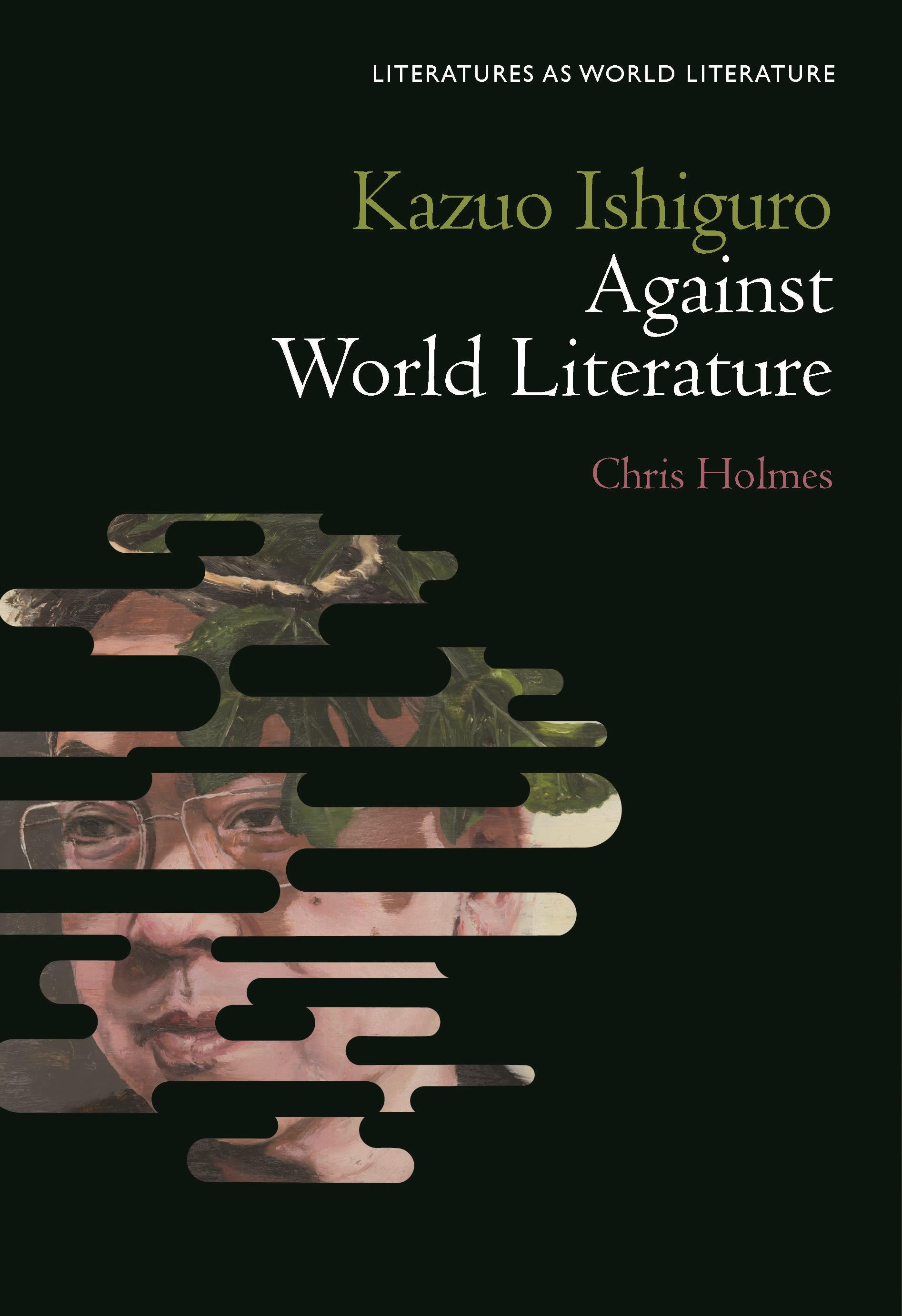
A study of how Kazuo Ishiguro's novels respond to and represent the world through characters that are profoundly limited in their understanding of the systems that bind them.
How has a writer known principally for his contained domestic novels come to represent the most dynamic elements of world literature? In Kazuo Ishiguro Against World Literature, Chris Holmes expands our understanding of how world literature engages with the most pressing crises of the 20th and 21st centuries by examining Ishiguro's fascination with characters who are profoundly constrained in their ability to understand global systems to which they are subject. Rather than following the established pattern of so-called global novels, which crisscross the planet exhibiting a knowing cosmopolitanism, Ishiguro's fictional engagement with the world comes principally in the form of characters who are cut off from the global systems that abuse them.
By examining the ways in which Ishiguro foregrounds the in-process thinking of those who fail to comprehend their place in the flow of politics, culture, and ideas, Holmes positions Ishiguro as the great chronicler of everyday lives, and as such, prepares a mode of reading world literature that questions the assumptions for how we live and think with others when each of us is deeply limited.
How has a writer known principally for his contained domestic novels come to represent the most dynamic elements of world literature? In Kazuo Ishiguro Against World Literature, Chris Holmes expands our understanding of how world literature engages with the most pressing crises of the 20th and 21st centuries by examining Ishiguro's fascination with characters who are profoundly constrained in their ability to understand global systems to which they are subject. Rather than following the established pattern of so-called global novels, which crisscross the planet exhibiting a knowing cosmopolitanism, Ishiguro's fictional engagement with the world comes principally in the form of characters who are cut off from the global systems that abuse them.
By examining the ways in which Ishiguro foregrounds the in-process thinking of those who fail to comprehend their place in the flow of politics, culture, and ideas, Holmes positions Ishiguro as the great chronicler of everyday lives, and as such, prepares a mode of reading world literature that questions the assumptions for how we live and think with others when each of us is deeply limited.
Pagina's: 192
Categorie: Litteraturvetenskap & Teori
e-ISBN: 9781501388460
Verzendgewicht: 1.2 kg
Verzending binnen: 1-2 dagen
Betaal eenvoudig met kaart, Klarna, Apple Pay of Google Pay. Niet tevreden? Je hebt altijd 14 dagen bedenktijd. Lees meer in onze voorwaarden. Heb je vragen, mail ons dan via hello@memmo.org.
Memmo maakt studeren makkelijker – waar je ook bent ter wereld. Wij brengen je cursusboeken en slimme studietools samen op één plek: samenvattingen, quizzen, podcasts en flashcards. En Ted, je studievriend die antwoord geeft op alles wat je je afvraagt. Meer dan 50.000 studenten studeren hier al – gebouwd om je sneller te laten leren en minder stress te geven.