
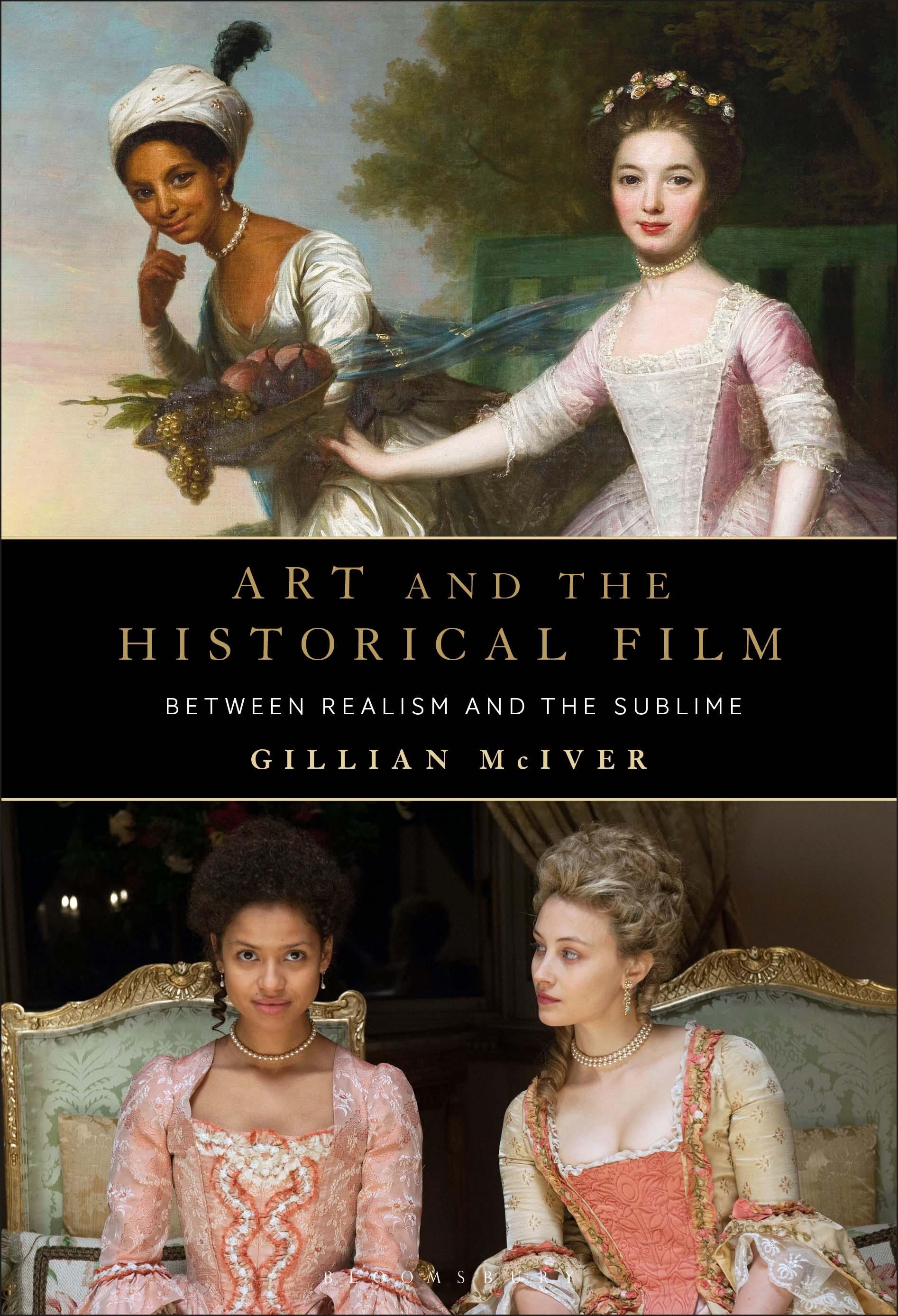
Art and the Historical Film provides an important examination of fine art's impact on filmmaking, grappling with the question of authenticity.
From Eugene Delacroix's interpretation of the 1830 French revolution to Uli Edel's version of the Baader-Meinhof Gang, artistic representations of historical subjects are appealing and pervasive. Movies often adapt imagery from art history, including paintings of historical events. Films and art shape the past for us and continue to affect our interpretation of history.
While historical films are often argued over for their adherence to "the facts," their real problem is realism: how can the past be convincingly depicted? Realism in the historical film genre is often nourished and given credibility by its use of painterly references. This book examines how art-historical images affect historical films by going beyond period detail and surface design to look at how profound ideas about history are communicated through pictures.
Art and the Historical Film: Between Realism and the Sublime is based on case studies that explore the links between art and cinema, including American independent Western Meek's Cutoff (Kelly Reichardt, 2010), British heritage film Belle (Amma Asante, 2013), and Dutch national epic Admiral (Roel Reiné, 2014). The chapters create immersive worlds that communicate distinct ideas about the past through cinematography, production design, and direction, as the films adapt, reference, and transpose paintings by artists such as Rubens, Albert Bierstadt, and Jacques-Louis David.
From Eugene Delacroix's interpretation of the 1830 French revolution to Uli Edel's version of the Baader-Meinhof Gang, artistic representations of historical subjects are appealing and pervasive. Movies often adapt imagery from art history, including paintings of historical events. Films and art shape the past for us and continue to affect our interpretation of history.
While historical films are often argued over for their adherence to "the facts," their real problem is realism: how can the past be convincingly depicted? Realism in the historical film genre is often nourished and given credibility by its use of painterly references. This book examines how art-historical images affect historical films by going beyond period detail and surface design to look at how profound ideas about history are communicated through pictures.
Art and the Historical Film: Between Realism and the Sublime is based on case studies that explore the links between art and cinema, including American independent Western Meek's Cutoff (Kelly Reichardt, 2010), British heritage film Belle (Amma Asante, 2013), and Dutch national epic Admiral (Roel Reiné, 2014). The chapters create immersive worlds that communicate distinct ideas about the past through cinematography, production design, and direction, as the films adapt, reference, and transpose paintings by artists such as Rubens, Albert Bierstadt, and Jacques-Louis David.
Betaal eenvoudig met kaart, Klarna, Apple Pay of Google Pay. Niet tevreden? Je hebt altijd 14 dagen bedenktijd. Lees meer in onze voorwaarden. Heb je vragen, mail ons dan via hello@memmo.org.
Memmo maakt studeren makkelijker – waar je ook bent ter wereld. Wij brengen je cursusboeken en slimme studietools samen op één plek: samenvattingen, quizzen, podcasts en flashcards. En Ted, je studievriend die antwoord geeft op alles wat je je afvraagt. Meer dan 50.000 studenten studeren hier al – gebouwd om je sneller te laten leren en minder stress te geven.