
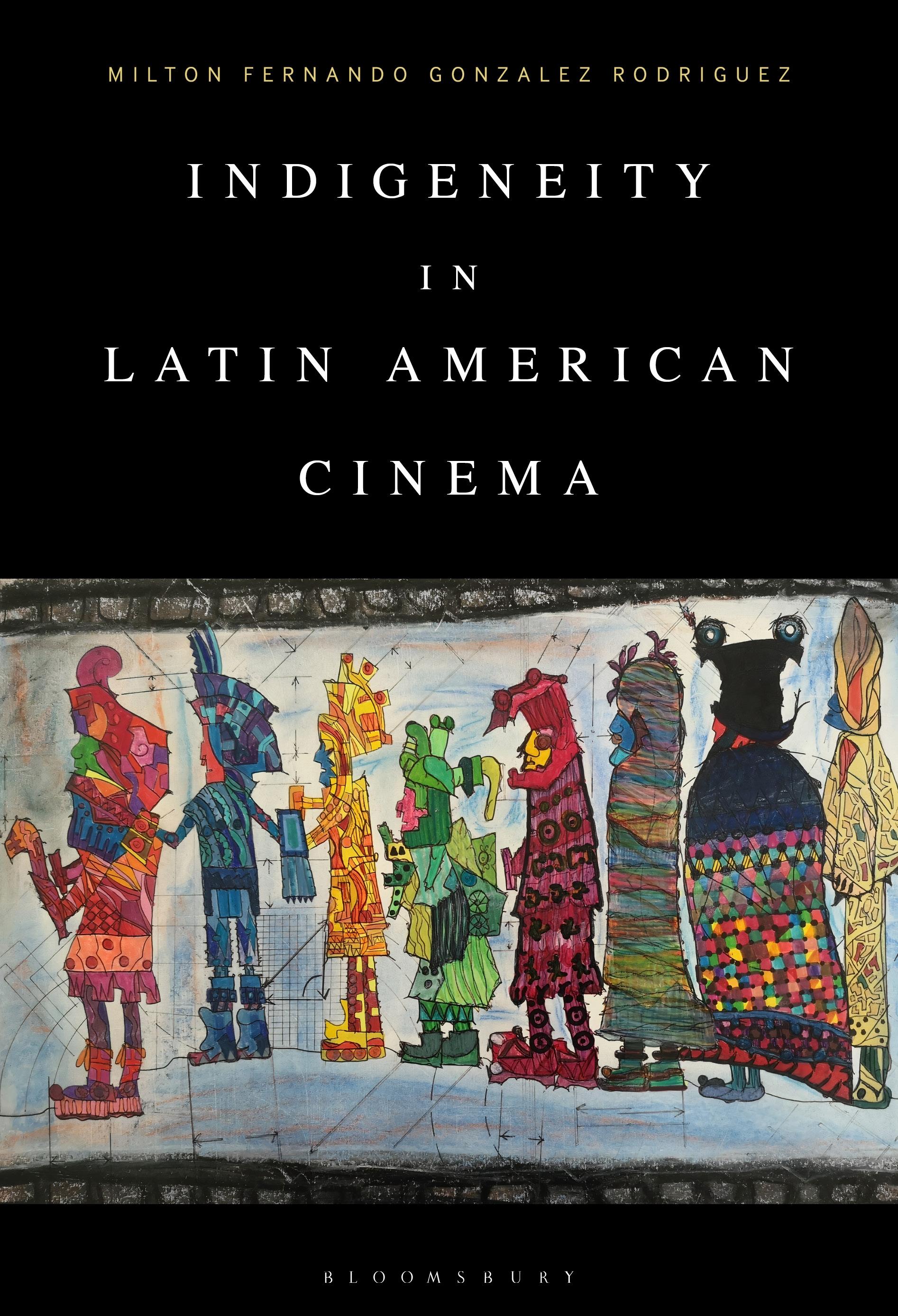
Indigeneity in Latin American Cinema explores how contemporary films (2000-2020) participate in the evolution and circulation of images and sounds that in many ways define how indigenous communities are imagined, at a local, regional and global scale. The volume reviews the diversity of portrayals from a chronological, geopolitical, linguistic, epistemic-ontological, transnational and intersectional, paradigm-changing and self-representational perspective, allocating one chapter to each theme. The corpus of this study consists of 68 fictional features directed by non-indigenous filmmakers, 31 cinematic works produced by indigenous directors/communities, and 22 Cine Regional (Regional Cinema) films. The book also draws upon a significant number of engravings, drawings, paintings, photographs and films, produced between 1493 and 2000, as primary sources for the historical review of the visual representations of indigeneity. Through content and close (textual) analysis, interviews with audiences, surveys and social media posts analysis, the author looks at the contexts in which Latin American films circulate in international festivals and the paradigm shifts introduced by self-representational cinema and Roma (Mexico, 2018). Conclusively, the author provides the foundations of histrionic indigeneity, a theory that explains how overtly histrionic proclivities play a significant role in depictions of an imagined indigenous Other in recent films.
Betaal eenvoudig met kaart, Klarna, Apple Pay of Google Pay. Niet tevreden? Je hebt altijd 14 dagen bedenktijd. Lees meer in onze voorwaarden. Heb je vragen, mail ons dan via hello@memmo.org.
Memmo maakt studeren makkelijker – waar je ook bent ter wereld. Wij brengen je cursusboeken en slimme studietools samen op één plek: samenvattingen, quizzen, podcasts en flashcards. En Ted, je studievriend die antwoord geeft op alles wat je je afvraagt. Meer dan 50.000 studenten studeren hier al – gebouwd om je sneller te laten leren en minder stress te geven.