
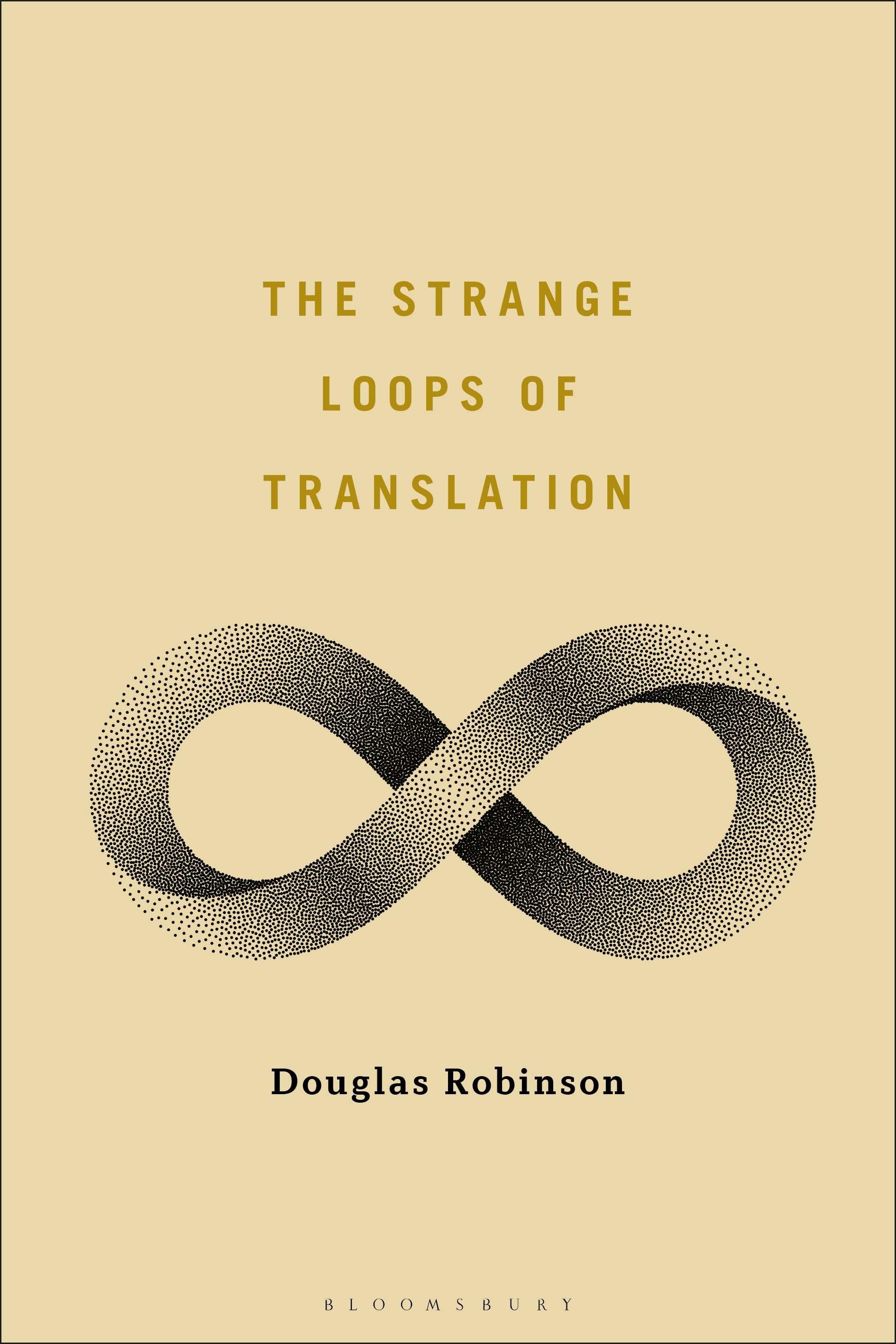
One of the most exciting theories to emerge from cognitive science research over the past few decades has been Douglas Hofstadter's notion of “strange loops,” from Gödel, Escher, Bach (1979). Hofstadter is also an active literary translator who has written about translation, perhaps most notably in his 1997 book Le Ton Beau de Marot, where he draws on his cognitive science research. And yet he has never considered the possibility that translation might itself be a strange loop.
In this book Douglas Robinson puts Hofstadter's strange-loops theory into dialogue with a series of definitive theories of translation, in the process showing just how cognitively and affectively complex an activity translation actually is.
In this book Douglas Robinson puts Hofstadter's strange-loops theory into dialogue with a series of definitive theories of translation, in the process showing just how cognitively and affectively complex an activity translation actually is.
Pagina's: 240
Categorie: Språk & Lingvistik
e-ISBN: 9781501382437
Verzendgewicht: 1.2 kg
Verzending binnen: 1-2 dagen
Betaal eenvoudig met kaart, Klarna, Apple Pay of Google Pay. Niet tevreden? Je hebt altijd 14 dagen bedenktijd. Lees meer in onze voorwaarden. Heb je vragen, mail ons dan via hello@memmo.org.
Memmo maakt studeren makkelijker – waar je ook bent ter wereld. Wij brengen je cursusboeken en slimme studietools samen op één plek: samenvattingen, quizzen, podcasts en flashcards. En Ted, je studievriend die antwoord geeft op alles wat je je afvraagt. Meer dan 50.000 studenten studeren hier al – gebouwd om je sneller te laten leren en minder stress te geven.