
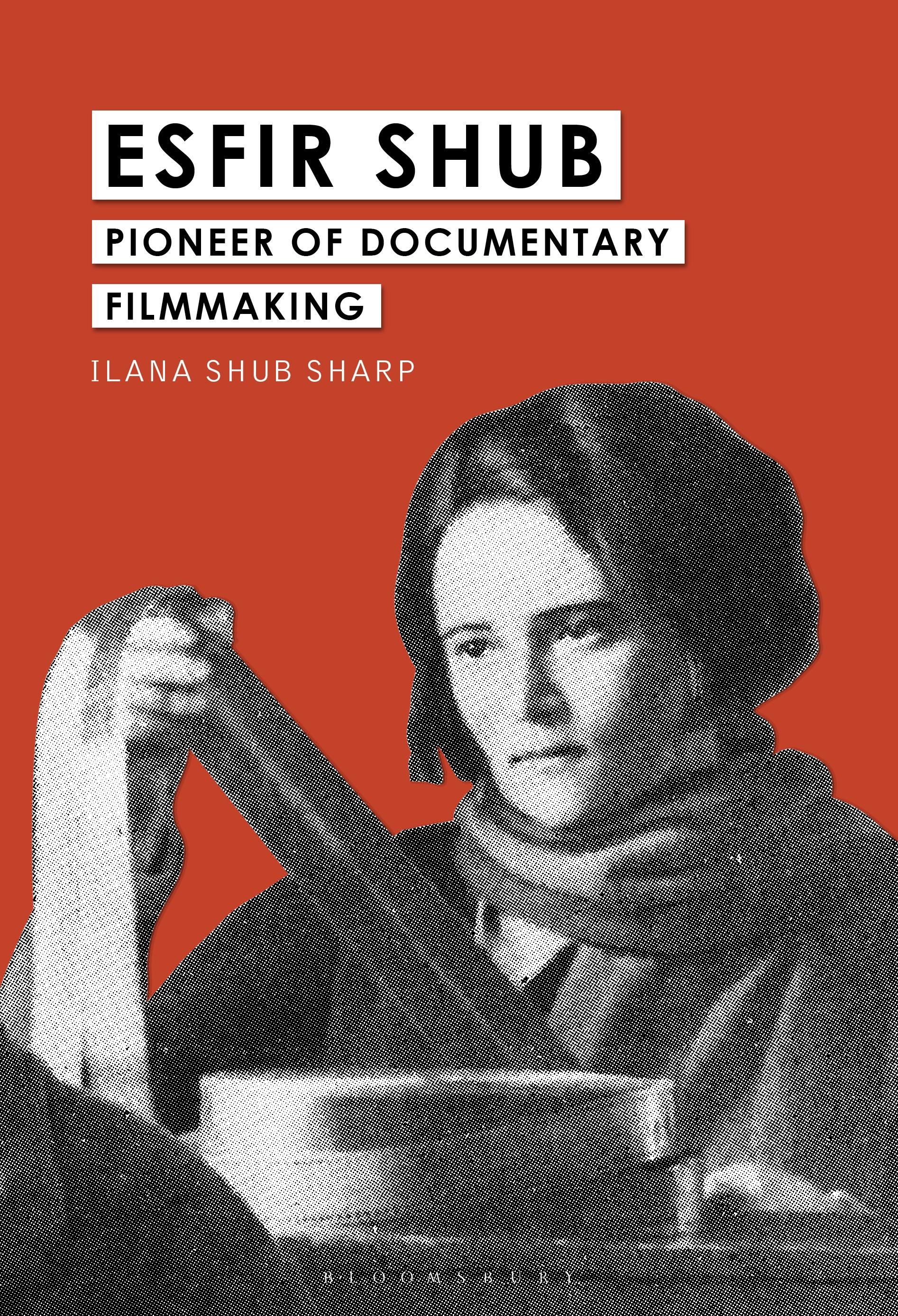
Esfir Shub was the only prominent female director of nonfiction film present at the dawning of the Soviet film industry. She was, in fact, the first woman both to write critical texts on cinema and then practically apply these theorisations in her own films. As such, her syncretism of cinema theory and praxis inspired her to ask questions regarding both the nature of nonfiction film, such as the problem of authenticity and reality, and the function of the artist in society; issues which are still relevant in contemporary discussions about the documentary.
Accordingly, this book demonstrates Shub's position not only as a significant filmmaker and recognised member of the early Soviet avant-garde but also as a key figure in global cinema history. Shub deserves recognition both as the founder and ardent promoter of the compilation film genre and as a pioneer of the theory and practice of documentary filmmaking.
Accordingly, this book demonstrates Shub's position not only as a significant filmmaker and recognised member of the early Soviet avant-garde but also as a key figure in global cinema history. Shub deserves recognition both as the founder and ardent promoter of the compilation film genre and as a pioneer of the theory and practice of documentary filmmaking.
Betaal eenvoudig met kaart, Klarna, Apple Pay of Google Pay. Niet tevreden? Je hebt altijd 14 dagen bedenktijd. Lees meer in onze voorwaarden. Heb je vragen, mail ons dan via hello@memmo.org.
Memmo maakt studeren makkelijker – waar je ook bent ter wereld. Wij brengen je cursusboeken en slimme studietools samen op één plek: samenvattingen, quizzen, podcasts en flashcards. En Ted, je studievriend die antwoord geeft op alles wat je je afvraagt. Meer dan 50.000 studenten studeren hier al – gebouwd om je sneller te laten leren en minder stress te geven.