
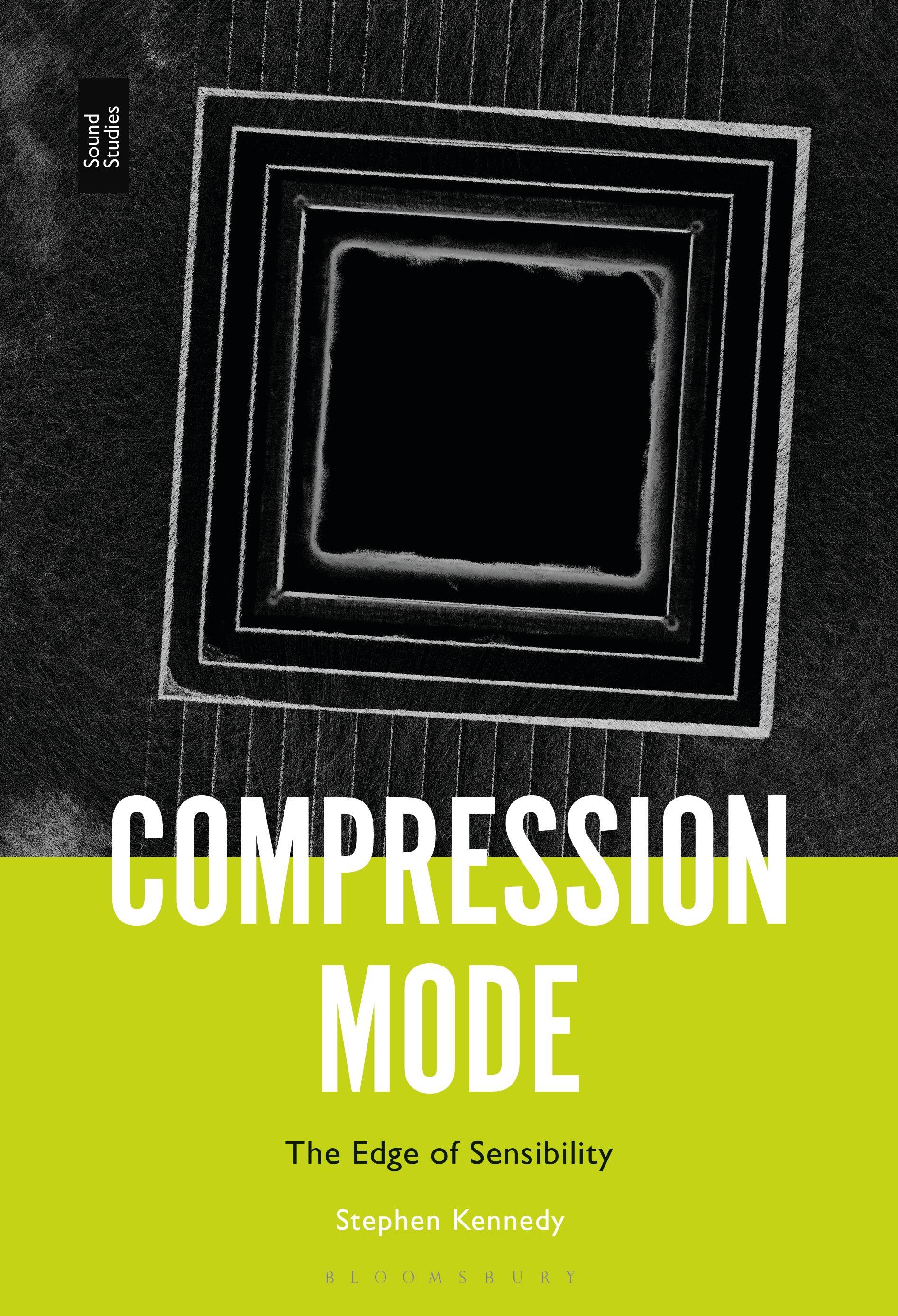
This book examines how compression can be understood not only as a digital process enacted through computing, but as a wider economic and political phenomenon that impacts on the ecology of waste, diversity and social inclusivity.
Setting out from the linguistic underpinning of visual space it proceeds to the development of the MP3 algorithm and an examination of the 'waste' it creates. As it does so it challenges the received wisdom, prevalent in western thought, that human reason and logic enacted through language is uniquely capable of bringing order to chaos. Returning to the idea of a sonic economy it seeks to reintroduce waste, error, and other discarded material back into our systems of thought, or perhaps more accurately into systems beyond our thought.
Setting out from the linguistic underpinning of visual space it proceeds to the development of the MP3 algorithm and an examination of the 'waste' it creates. As it does so it challenges the received wisdom, prevalent in western thought, that human reason and logic enacted through language is uniquely capable of bringing order to chaos. Returning to the idea of a sonic economy it seeks to reintroduce waste, error, and other discarded material back into our systems of thought, or perhaps more accurately into systems beyond our thought.
Betaal eenvoudig met kaart, Klarna, Apple Pay of Google Pay. Niet tevreden? Je hebt altijd 14 dagen bedenktijd. Lees meer in onze voorwaarden. Heb je vragen, mail ons dan via hello@memmo.org.
Memmo maakt studeren makkelijker – waar je ook bent ter wereld. Wij brengen je cursusboeken en slimme studietools samen op één plek: samenvattingen, quizzen, podcasts en flashcards. En Ted, je studievriend die antwoord geeft op alles wat je je afvraagt. Meer dan 50.000 studenten studeren hier al – gebouwd om je sneller te laten leren en minder stress te geven.