
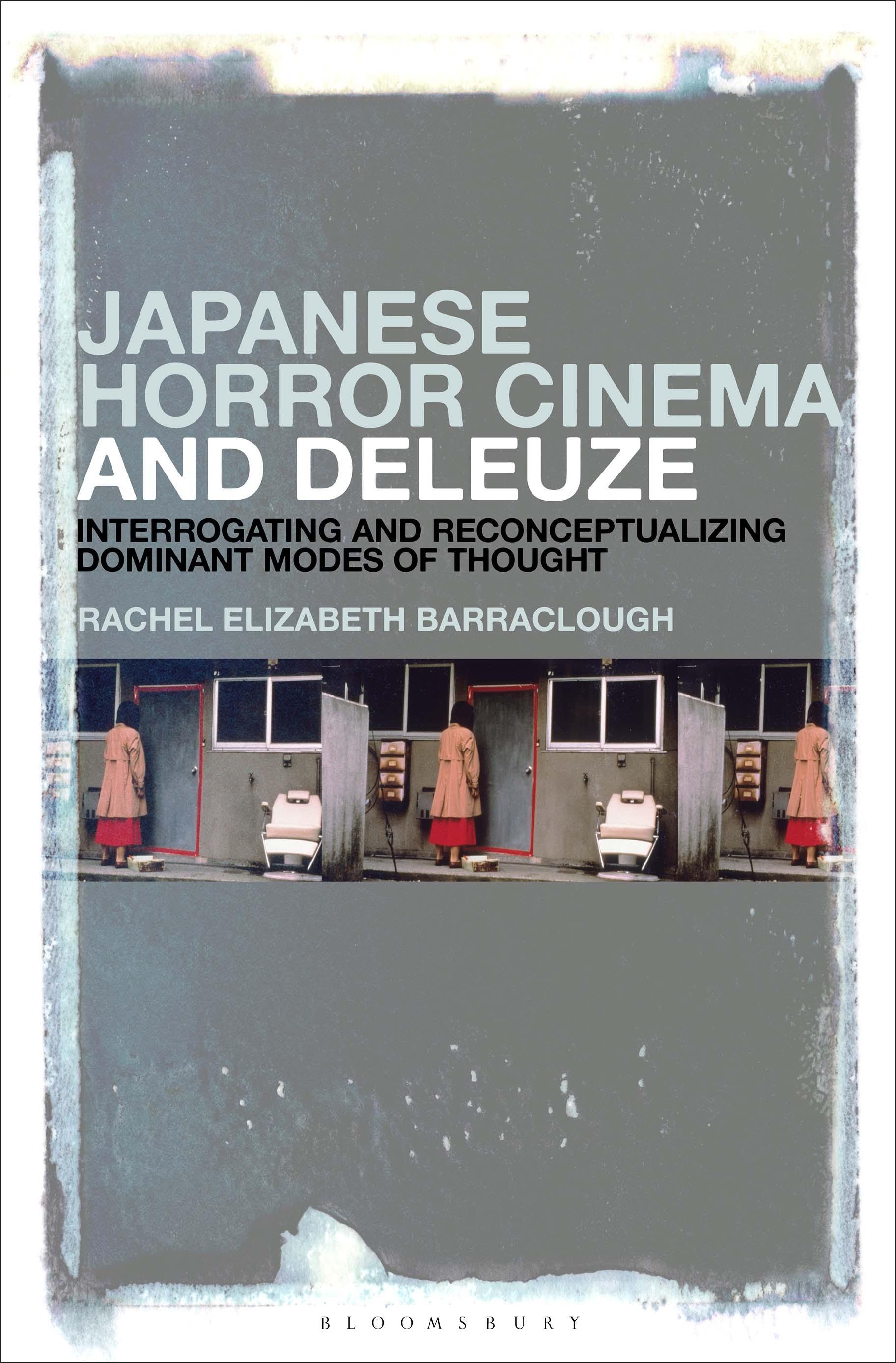
Using theories of national, transnational and world cinema, and genre theories and psychoanalysis as the basis of its argument, Japanese Horror Cinema and Deleuze argues that these understandings of Japanese horror films can be extended in new ways through the philosophy of Deleuze.
In particular, the complexities and nuances of how films like Ju-On: The Grudge (2002), Audition (1999) and Kairo (2001) (and beyond) form dynamic, transformative global networks between industries, directors and audiences can be considered. Furthermore, understandings of how key horror tropes and motifs apply to these films (and others more broadly), such as the idea of the “monstrous-feminine”, can be transformed, allowing these models to become more flexible.
In particular, the complexities and nuances of how films like Ju-On: The Grudge (2002), Audition (1999) and Kairo (2001) (and beyond) form dynamic, transformative global networks between industries, directors and audiences can be considered. Furthermore, understandings of how key horror tropes and motifs apply to these films (and others more broadly), such as the idea of the “monstrous-feminine”, can be transformed, allowing these models to become more flexible.
Betaal eenvoudig met kaart, Klarna, Apple Pay of Google Pay. Niet tevreden? Je hebt altijd 14 dagen bedenktijd. Lees meer in onze voorwaarden. Heb je vragen, mail ons dan via hello@memmo.org.
Memmo maakt studeren makkelijker – waar je ook bent ter wereld. Wij brengen je cursusboeken en slimme studietools samen op één plek: samenvattingen, quizzen, podcasts en flashcards. En Ted, je studievriend die antwoord geeft op alles wat je je afvraagt. Meer dan 50.000 studenten studeren hier al – gebouwd om je sneller te laten leren en minder stress te geven.