
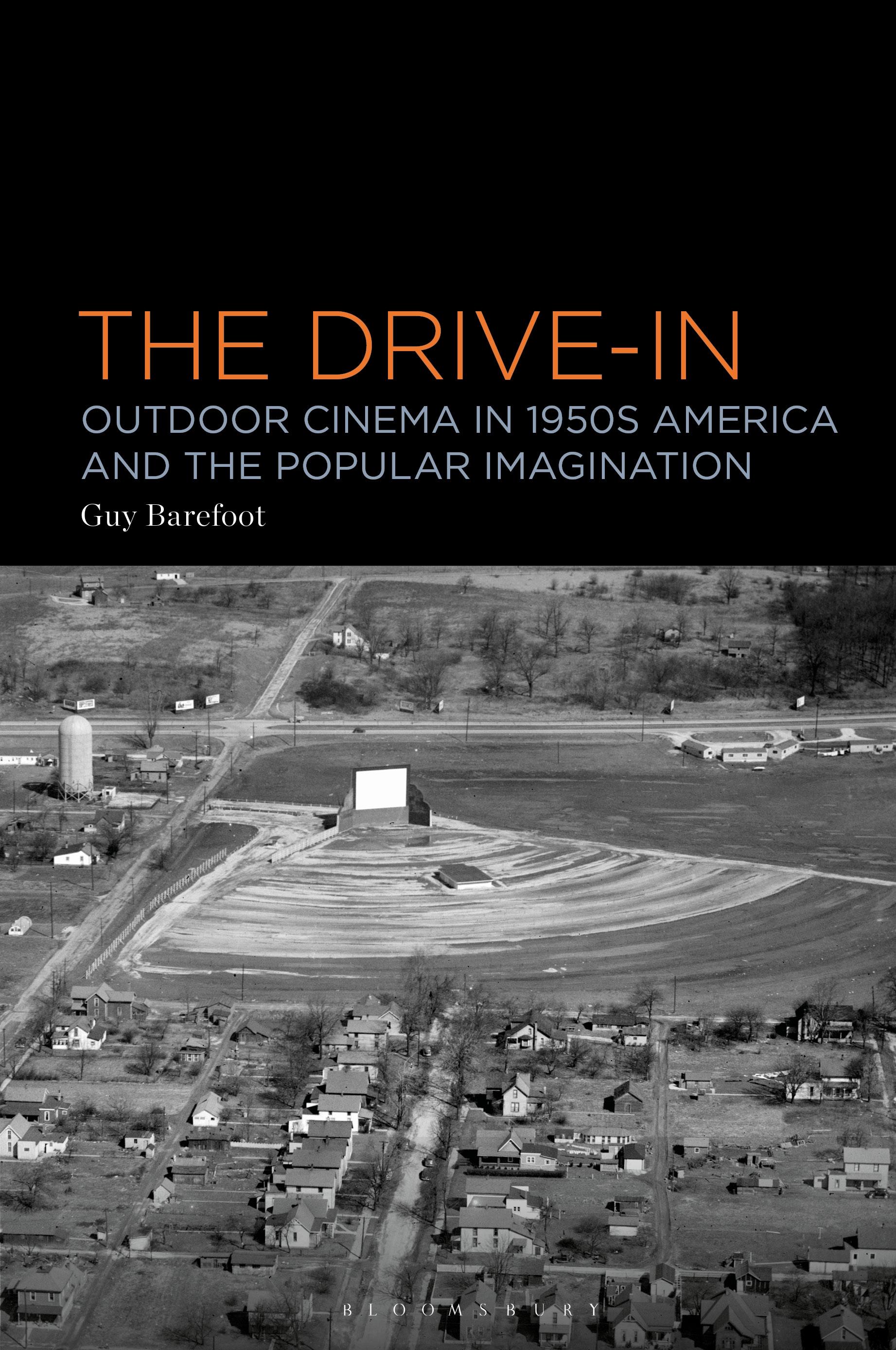
The Drive-In meaningfully contributes to the complex picture of outdoor cinema that has been central to American culture and to a history of US cinema based on diverse viewing experiences rather than a select number of films.
Drive-in cinemas flourished in 1950s America, in some summer weeks to the extent that there were more cinemagoers outdoors than indoors. Often associated with teenagers interested in the drive-in as a 'passion pit' or a venue for exploitation films, accounts of the 1950s American drive-in tend to emphasise their popularity with families with young children, downplaying the importance of a film programme apparently limited to old, low-budget or independent films and characterising drive-in operators as industry outsiders. They retain a hold on the popular imagination.
The Drive-In identifies the mix of generations in the drive-in audience as well as accounts that articulate individual experiences, from the drive-in as a dating venue to a segregated space. Through detailed analysis of the film industry trade press, local newspapers and a range of other primary sources including archival records on cinemas and cinema circuits in Arkansas, California, New York State and Texas, this book examines how drive-ins were integrated into local communities and the film industry and reveals the importance and range of drive-in programmes that were often close to that of their indoor neighbours.
Drive-in cinemas flourished in 1950s America, in some summer weeks to the extent that there were more cinemagoers outdoors than indoors. Often associated with teenagers interested in the drive-in as a 'passion pit' or a venue for exploitation films, accounts of the 1950s American drive-in tend to emphasise their popularity with families with young children, downplaying the importance of a film programme apparently limited to old, low-budget or independent films and characterising drive-in operators as industry outsiders. They retain a hold on the popular imagination.
The Drive-In identifies the mix of generations in the drive-in audience as well as accounts that articulate individual experiences, from the drive-in as a dating venue to a segregated space. Through detailed analysis of the film industry trade press, local newspapers and a range of other primary sources including archival records on cinemas and cinema circuits in Arkansas, California, New York State and Texas, this book examines how drive-ins were integrated into local communities and the film industry and reveals the importance and range of drive-in programmes that were often close to that of their indoor neighbours.
Betaal eenvoudig met kaart, Klarna, Apple Pay of Google Pay. Niet tevreden? Je hebt altijd 14 dagen bedenktijd. Lees meer in onze voorwaarden. Heb je vragen, mail ons dan via hello@memmo.org.
Memmo maakt studeren makkelijker – waar je ook bent ter wereld. Wij brengen je cursusboeken en slimme studietools samen op één plek: samenvattingen, quizzen, podcasts en flashcards. En Ted, je studievriend die antwoord geeft op alles wat je je afvraagt. Meer dan 50.000 studenten studeren hier al – gebouwd om je sneller te laten leren en minder stress te geven.