
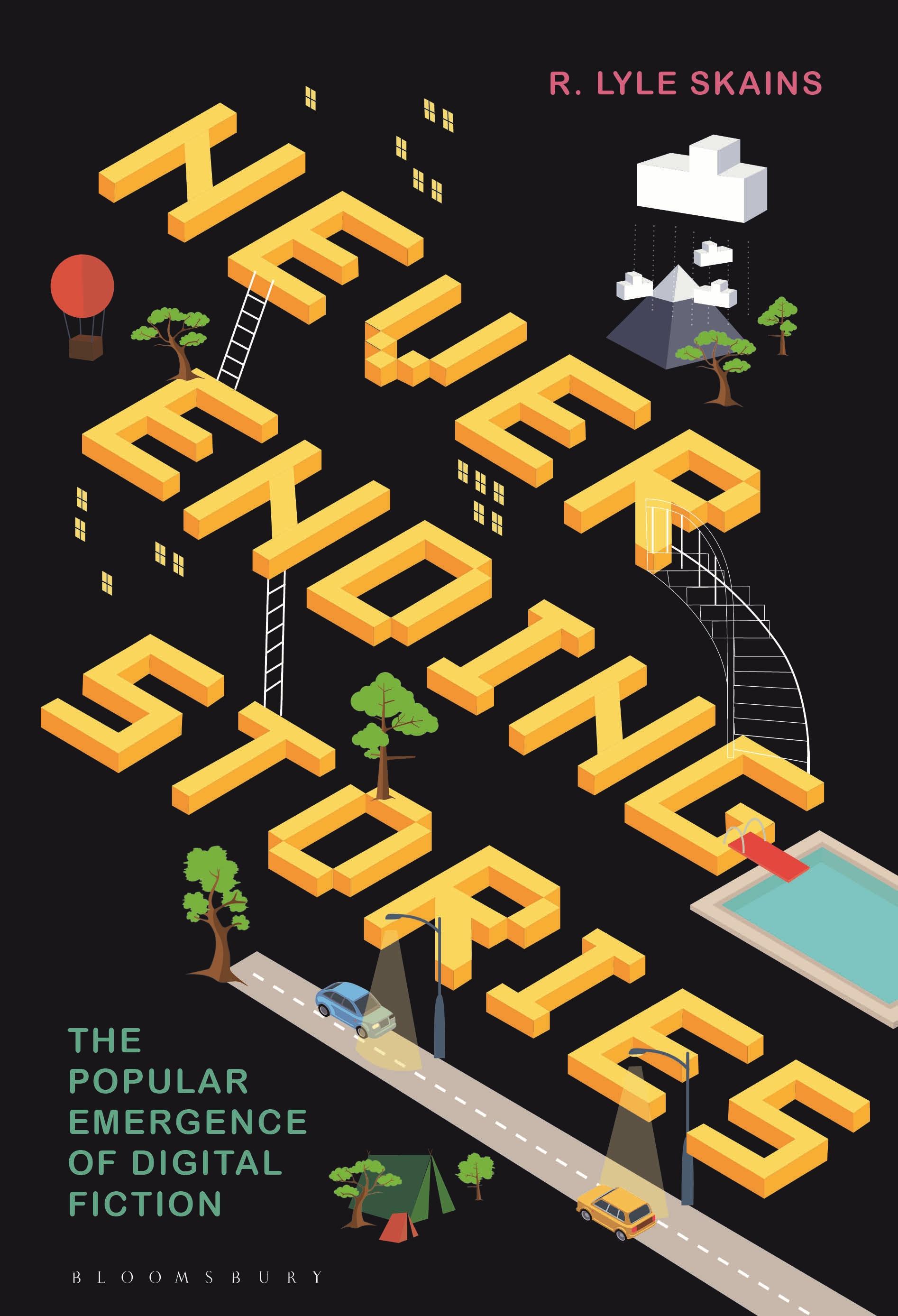
Winner of the 2023 N. Katherine Hayles Award for Criticism of Electronic Literature
Digital fiction has long been perceived as an experimental niche of electronic literature. Yet born-digital narratives thrive in mainstream culture, as communities of practice create and share digital fiction, filling in the gaps between the media they are given and the stories they seek.
Neverending Stories explores the influences of literature and computing on digital fiction and how the practices and cultures of each have impacted who makes and plays digital fiction. Popular creativity emerges from subordinated groups often excluded from producing cultural resources, accepting the materials of capitalism and inverting them for their own carnivalesque uses. Popular digital fiction goes by many different names: webnovels, adventure games, visual novels, Twitter fiction, webcomics, Twine games, walking sims, alternate reality games, virtual reality films, interactive movies, enhanced books, transmedia universes, and many more.
The book establishes digital fiction in a foundation of innovation, tracing its emergence in various guises around the world. It examines Infocom, whose commercial success with interactive fiction crumbled, in no small part, because of its failure to consider women as creators or consumers. It takes note of the brief flourish of commercial book apps and literary games. It connects practices of cognitive and conceptual interactivity, and textual multiplicity-dating to the origins of the print novel-to the feminine. It pushes into the technological future of narrative in immersive and mixed realities. It posits the transmedia franchises and the practices of fanfiction as examples of digital fiction that will continue indefinitely, regardless of academic notice or approval.
Digital fiction has long been perceived as an experimental niche of electronic literature. Yet born-digital narratives thrive in mainstream culture, as communities of practice create and share digital fiction, filling in the gaps between the media they are given and the stories they seek.
Neverending Stories explores the influences of literature and computing on digital fiction and how the practices and cultures of each have impacted who makes and plays digital fiction. Popular creativity emerges from subordinated groups often excluded from producing cultural resources, accepting the materials of capitalism and inverting them for their own carnivalesque uses. Popular digital fiction goes by many different names: webnovels, adventure games, visual novels, Twitter fiction, webcomics, Twine games, walking sims, alternate reality games, virtual reality films, interactive movies, enhanced books, transmedia universes, and many more.
The book establishes digital fiction in a foundation of innovation, tracing its emergence in various guises around the world. It examines Infocom, whose commercial success with interactive fiction crumbled, in no small part, because of its failure to consider women as creators or consumers. It takes note of the brief flourish of commercial book apps and literary games. It connects practices of cognitive and conceptual interactivity, and textual multiplicity-dating to the origins of the print novel-to the feminine. It pushes into the technological future of narrative in immersive and mixed realities. It posits the transmedia franchises and the practices of fanfiction as examples of digital fiction that will continue indefinitely, regardless of academic notice or approval.
Pagina's: 288
Categorie: Litteraturvetenskap & Teori
e-ISBN: 9781501364938
Verzendgewicht: 1.2 kg
Verzending binnen: 1-2 dagen
Betaal eenvoudig met kaart, Klarna, Apple Pay of Google Pay. Niet tevreden? Je hebt altijd 14 dagen bedenktijd. Lees meer in onze voorwaarden. Heb je vragen, mail ons dan via hello@memmo.org.
Memmo maakt studeren makkelijker – waar je ook bent ter wereld. Wij brengen je cursusboeken en slimme studietools samen op één plek: samenvattingen, quizzen, podcasts en flashcards. En Ted, je studievriend die antwoord geeft op alles wat je je afvraagt. Meer dan 50.000 studenten studeren hier al – gebouwd om je sneller te laten leren en minder stress te geven.