
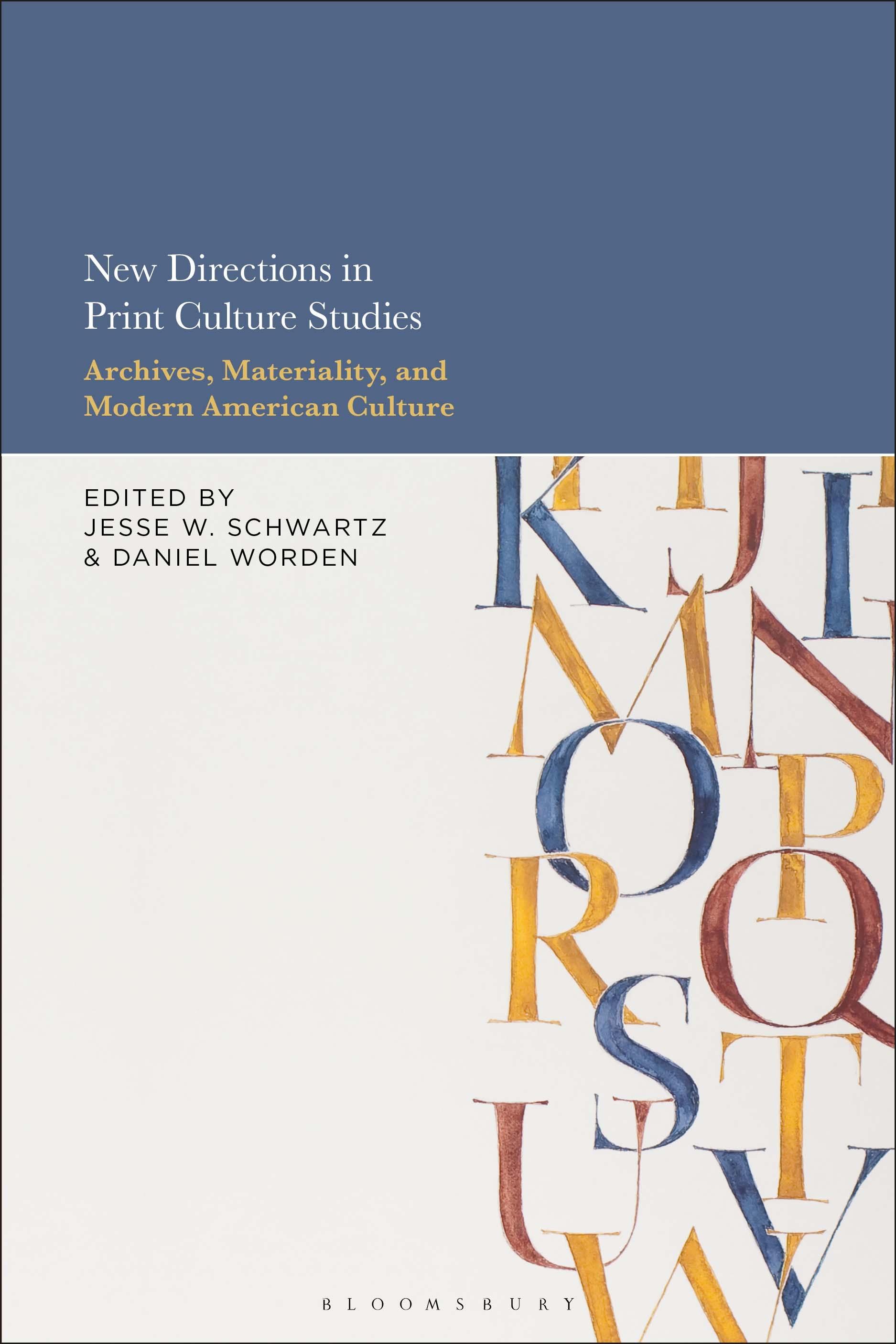
New Directions in Print Culture Studies features new methods and approaches to cultural and literary history that draw on periodicals, print culture, and material culture, thus revising and rewriting what we think we know about the aesthetic, cultural, and social history of transnational America.
The unifying questions posed and answered in this book are methodological: How can we make material, archival objects meaningful? How can we engage and contest dominant conceptions of aesthetic, historical, and literary periods? How can we present archival material in ways that make it accessible to other scholars and students? What theoretical commitments does a focus on material objects entail?
New Directions in Print Culture Studies brings together leading scholars to address the methodological, historical, and theoretical commitments that emerge from studying how periodicals, books, images, and ideas circulated from the 19th century to the present. Reaching beyond national boundaries, the essays in this book focus on the different materials and archives we can use to rewrite literary history in ways that highlight not a canon of “major” literary works, but instead the networks, dialogues, and tensions that define print cultures in various moments and movements.
The unifying questions posed and answered in this book are methodological: How can we make material, archival objects meaningful? How can we engage and contest dominant conceptions of aesthetic, historical, and literary periods? How can we present archival material in ways that make it accessible to other scholars and students? What theoretical commitments does a focus on material objects entail?
New Directions in Print Culture Studies brings together leading scholars to address the methodological, historical, and theoretical commitments that emerge from studying how periodicals, books, images, and ideas circulated from the 19th century to the present. Reaching beyond national boundaries, the essays in this book focus on the different materials and archives we can use to rewrite literary history in ways that highlight not a canon of “major” literary works, but instead the networks, dialogues, and tensions that define print cultures in various moments and movements.
Betaal eenvoudig met kaart, Klarna, Apple Pay of Google Pay. Niet tevreden? Je hebt altijd 14 dagen bedenktijd. Lees meer in onze voorwaarden. Heb je vragen, mail ons dan via hello@memmo.org.
Memmo maakt studeren makkelijker – waar je ook bent ter wereld. Wij brengen je cursusboeken en slimme studietools samen op één plek: samenvattingen, quizzen, podcasts en flashcards. En Ted, je studievriend die antwoord geeft op alles wat je je afvraagt. Meer dan 50.000 studenten studeren hier al – gebouwd om je sneller te laten leren en minder stress te geven.