
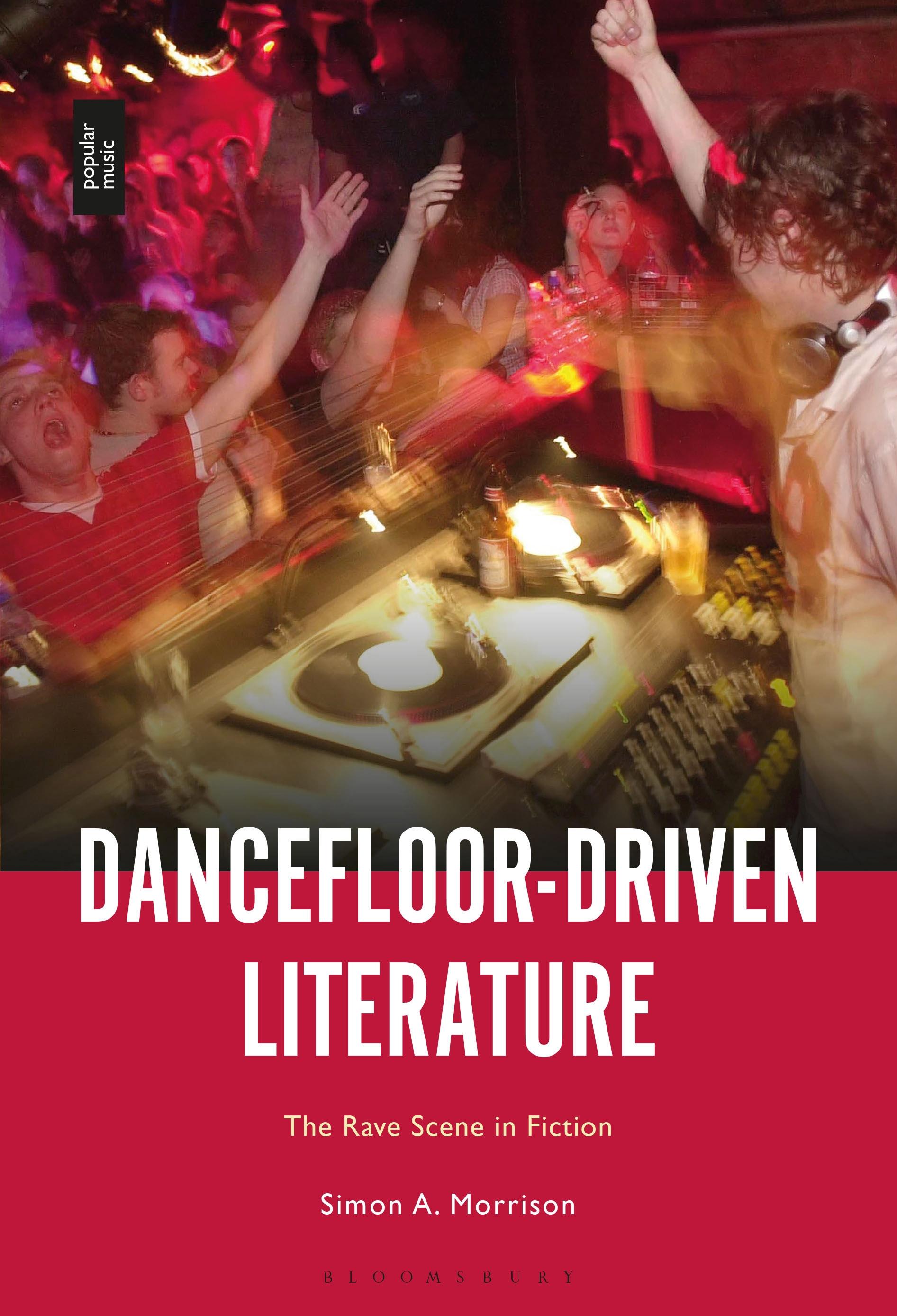
Almost as soon as 'club culture' took hold - during the UK's Second Summer of Love in 1988 - its sociopolitical impact became clear, with journalists, filmmakers and authors all keen to use this cultural context as source material for their texts. This book uses that electronic music subculture as a route into an analysis of these principally literary representations of a music culture: why such secondary artefacts appear and what function they serve.
The book conceives of a new literary genre to accommodate these stories born of the dancefloor - 'dancefloor-driven literature'. Using interviews with Irvine Welsh, author of Trainspotting (1994), alongside other dancefloor-driven authors Nicholas Blincoe and Jeff Noon as case studies, the book analyzes three separate ways writers draw on electronic dance music in their fictions, interrogating that very particular intermedial intersection between the sonic and the linguistic. It explores how such authors write about something so subterranean as the nightclub scene, and analyses what specific literary techniques they deploy to write lucidly and fluidly about the metronomic beat of electronic music and the chemical accelerant that further alters that relationship.
The book conceives of a new literary genre to accommodate these stories born of the dancefloor - 'dancefloor-driven literature'. Using interviews with Irvine Welsh, author of Trainspotting (1994), alongside other dancefloor-driven authors Nicholas Blincoe and Jeff Noon as case studies, the book analyzes three separate ways writers draw on electronic dance music in their fictions, interrogating that very particular intermedial intersection between the sonic and the linguistic. It explores how such authors write about something so subterranean as the nightclub scene, and analyses what specific literary techniques they deploy to write lucidly and fluidly about the metronomic beat of electronic music and the chemical accelerant that further alters that relationship.
Betaal eenvoudig met kaart, Klarna, Apple Pay of Google Pay. Niet tevreden? Je hebt altijd 14 dagen bedenktijd. Lees meer in onze voorwaarden. Heb je vragen, mail ons dan via hello@memmo.org.
Memmo maakt studeren makkelijker – waar je ook bent ter wereld. Wij brengen je cursusboeken en slimme studietools samen op één plek: samenvattingen, quizzen, podcasts en flashcards. En Ted, je studievriend die antwoord geeft op alles wat je je afvraagt. Meer dan 50.000 studenten studeren hier al – gebouwd om je sneller te laten leren en minder stress te geven.