
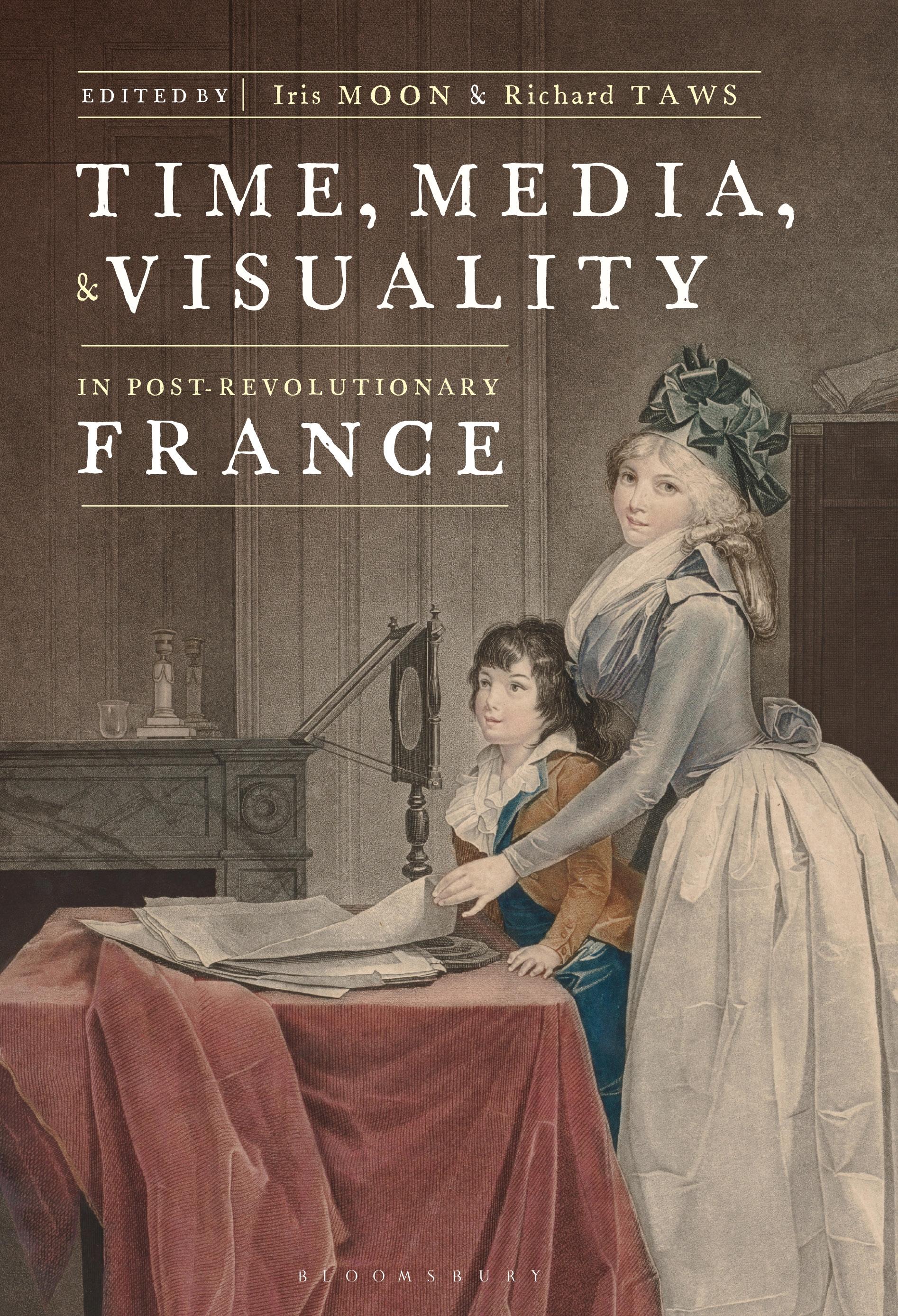
The radical break with the past heralded by the French Revolution in 1789 has become one of the mythic narratives of our time. Yet in the drawn-out afterlife of the Revolution, and through subsequent periods of Empire, Restoration, and Republic, the question of what such a temporal transformation might involve found complex, often unresolved expression in visual and material culture.
This diverse collection of essays draws attention to the eclectic objects and forms of visuality that emerged in France from the beginning of the French Revolution through to the end of the July Monarchy in 1848. It offers a new account of the story of French art's modernity by exploring the work of genre painters and miniaturists, sign-painters and animal artists, landscapists, architects, and printmakers, as they worked out what it meant to be “post-revolutionary.”
This diverse collection of essays draws attention to the eclectic objects and forms of visuality that emerged in France from the beginning of the French Revolution through to the end of the July Monarchy in 1848. It offers a new account of the story of French art's modernity by exploring the work of genre painters and miniaturists, sign-painters and animal artists, landscapists, architects, and printmakers, as they worked out what it meant to be “post-revolutionary.”
Betaal eenvoudig met kaart, Klarna, Apple Pay of Google Pay. Niet tevreden? Je hebt altijd 14 dagen bedenktijd. Lees meer in onze voorwaarden. Heb je vragen, mail ons dan via hello@memmo.org.
Memmo maakt studeren makkelijker – waar je ook bent ter wereld. Wij brengen je cursusboeken en slimme studietools samen op één plek: samenvattingen, quizzen, podcasts en flashcards. En Ted, je studievriend die antwoord geeft op alles wat je je afvraagt. Meer dan 50.000 studenten studeren hier al – gebouwd om je sneller te laten leren en minder stress te geven.