
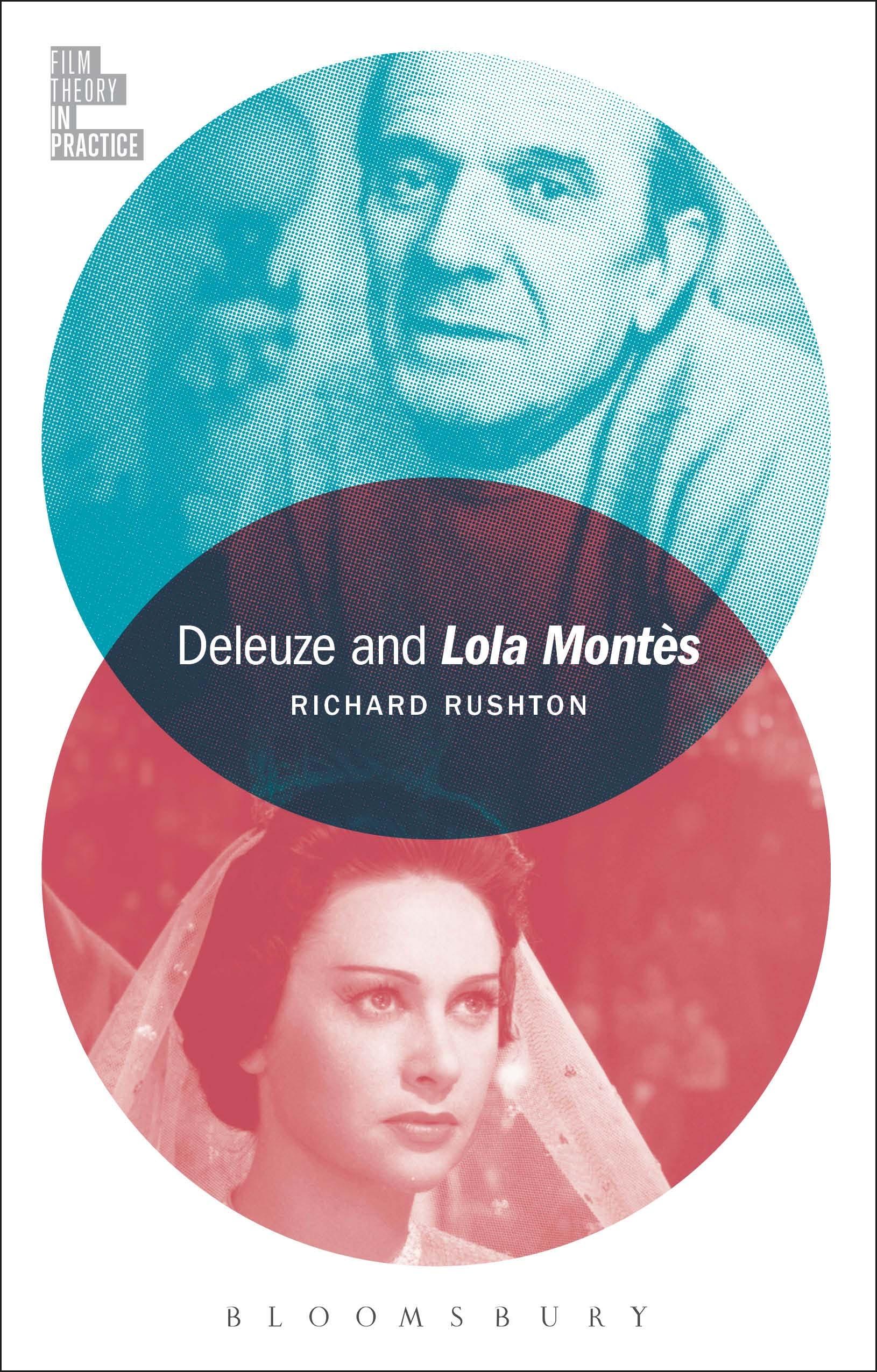
Gilles Deleuze represents the most widely referenced theorist of cinema today. And yet, even the most rudimentary pillars of his thought remain mysterious to most students (and even many scholars) of film studies.
From one of the foremost theorists following Deleuze in the world today, Deleuze and Lola Montès offers a detailed explication of Gilles Deleuze's writings on film – from his books Cinema 1: The Movement-Image (1983) and Cinema 2: The Time-Image (1985). Building on this foundation, Rushton provides an interpretation of Max Ophuls's classic film Lola Montès as an example of how Deleuzian film theory can function in the practice of film interpretation.
From one of the foremost theorists following Deleuze in the world today, Deleuze and Lola Montès offers a detailed explication of Gilles Deleuze's writings on film – from his books Cinema 1: The Movement-Image (1983) and Cinema 2: The Time-Image (1985). Building on this foundation, Rushton provides an interpretation of Max Ophuls's classic film Lola Montès as an example of how Deleuzian film theory can function in the practice of film interpretation.
Betaal eenvoudig met kaart, Klarna, Apple Pay of Google Pay. Niet tevreden? Je hebt altijd 14 dagen bedenktijd. Lees meer in onze voorwaarden. Heb je vragen, mail ons dan via hello@memmo.org.
Memmo maakt studeren makkelijker – waar je ook bent ter wereld. Wij brengen je cursusboeken en slimme studietools samen op één plek: samenvattingen, quizzen, podcasts en flashcards. En Ted, je studievriend die antwoord geeft op alles wat je je afvraagt. Meer dan 50.000 studenten studeren hier al – gebouwd om je sneller te laten leren en minder stress te geven.