
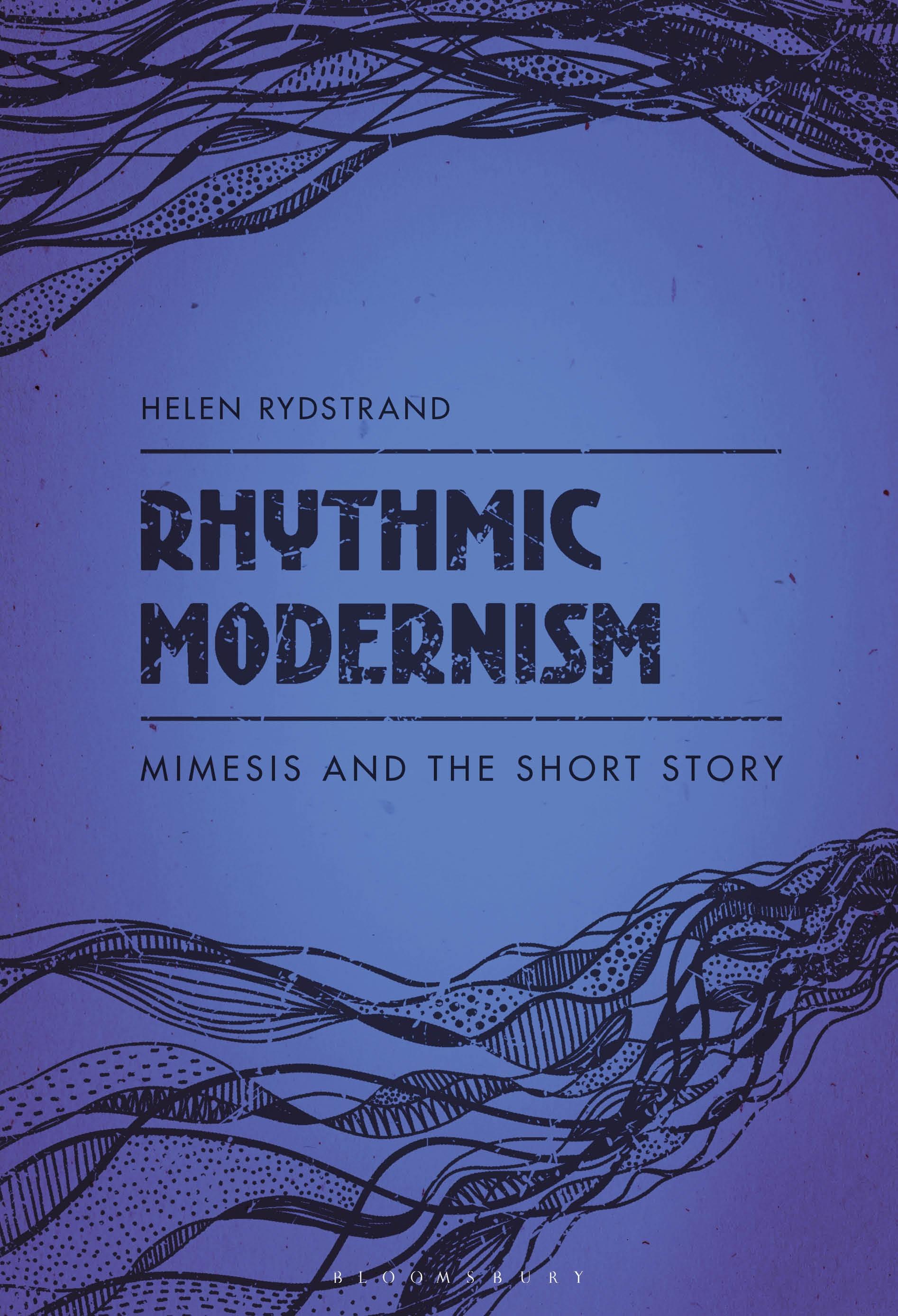
Contrary to the common view that cultural modernism is a broadly anti-mimetic movement, one which turned away from traditional artistic goals of representing the world, Rhythmic Modernism argues that rhythm and mimesis are central to modernist aesthetics. Through detailed close readings of non-fiction and short stories, Helen Rydstrand shows that textual rhythms comprised the substance of modernist mimesis. Rhythmic Modernism demonstrates how many modernist writers, such as D. H. Lawrence, Katherine Mansfield and Virginia Woolf, were profoundly invested in mimicking a substratum of existence that was conceived as rhythmic, each displaying a fascination with rhythm, both as a formal device and as a vital, protean concept that helped to make sense of the complex modern world.
Betaal eenvoudig met kaart, Klarna, Apple Pay of Google Pay. Niet tevreden? Je hebt altijd 14 dagen bedenktijd. Lees meer in onze voorwaarden. Heb je vragen, mail ons dan via hello@memmo.org.
Memmo maakt studeren makkelijker – waar je ook bent ter wereld. Wij brengen je cursusboeken en slimme studietools samen op één plek: samenvattingen, quizzen, podcasts en flashcards. En Ted, je studievriend die antwoord geeft op alles wat je je afvraagt. Meer dan 50.000 studenten studeren hier al – gebouwd om je sneller te laten leren en minder stress te geven.