
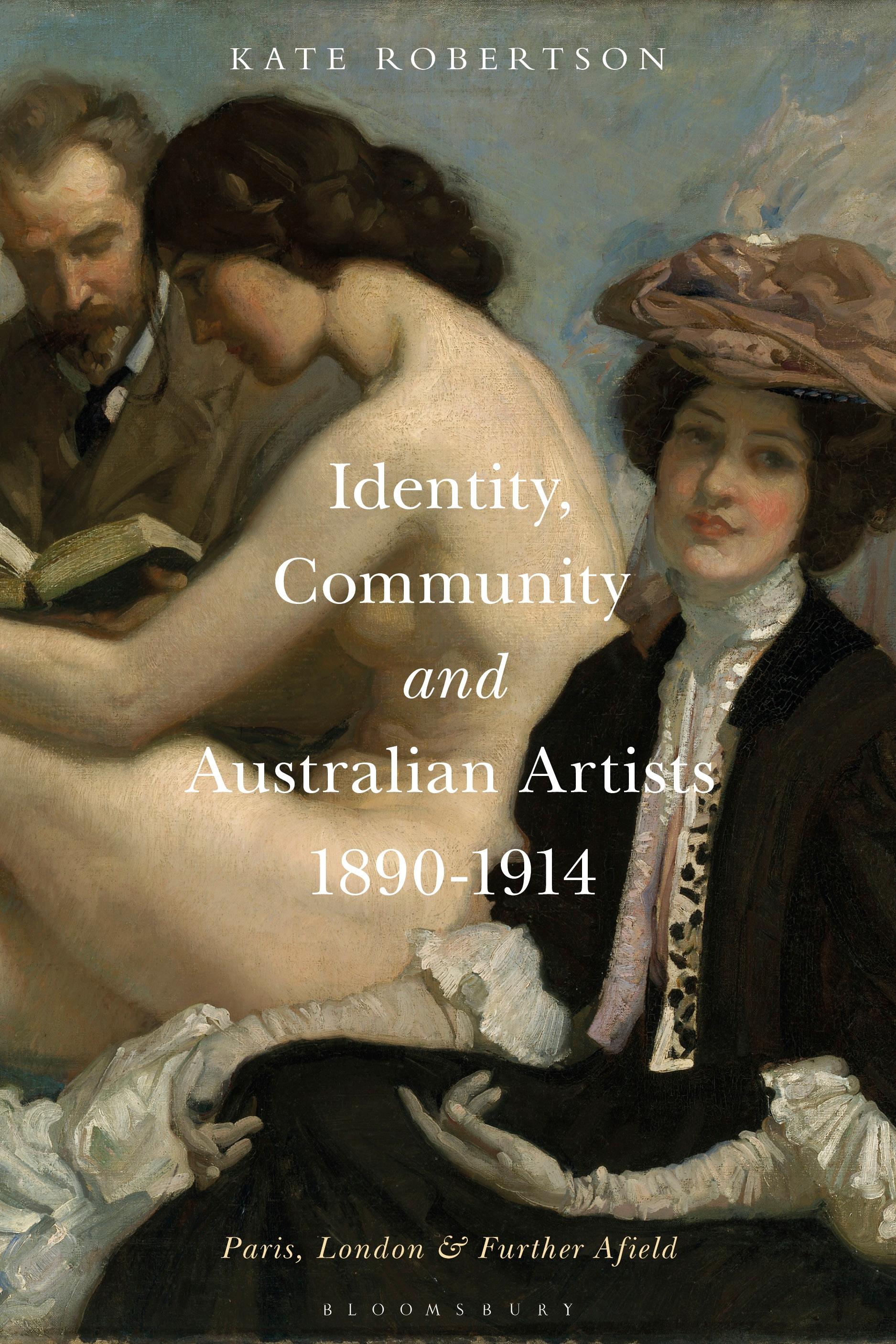
An irresistible call lured Australian artists abroad between 1890 and 1914, a transitional period immediately pre- and post-federation. Travelling enabled an extension of artistic frontiers, and Paris – the centre of art – and London – the heart of the Empire – promised wondrous opportunities. These expatriate artists formed communities based on their common bond to Australia, enacting their Australian-ness in private and public settings.
Yet, they also interacted with the broader creative community, fashioning a network of social and professional relationships. They joined ateliers in Paris such as the Académie Julian, clubs like the Chelsea Arts Club in London and visited artist colonies including St Ives in England and Étaples in France. Australian artists persistently sought a sense of belonging, negotiating their identity through activities such as plays, balls, tableaux, parties, dressing-up and, of course, the creation of art. While individual biographies are integral to this study, it is through exploring the connections between them that it offers new insights.
Through utilising extensive archival material, much of which has limited or no publication history, this book fills a gap in existing scholarship. It offers a vital exploration re-consideration of the fluidity of identity, place and belonging in the lives and work of Australian artists in this juncture in British-Australian history.
Yet, they also interacted with the broader creative community, fashioning a network of social and professional relationships. They joined ateliers in Paris such as the Académie Julian, clubs like the Chelsea Arts Club in London and visited artist colonies including St Ives in England and Étaples in France. Australian artists persistently sought a sense of belonging, negotiating their identity through activities such as plays, balls, tableaux, parties, dressing-up and, of course, the creation of art. While individual biographies are integral to this study, it is through exploring the connections between them that it offers new insights.
Through utilising extensive archival material, much of which has limited or no publication history, this book fills a gap in existing scholarship. It offers a vital exploration re-consideration of the fluidity of identity, place and belonging in the lives and work of Australian artists in this juncture in British-Australian history.
Betaal eenvoudig met kaart, Klarna, Apple Pay of Google Pay. Niet tevreden? Je hebt altijd 14 dagen bedenktijd. Lees meer in onze voorwaarden. Heb je vragen, mail ons dan via hello@memmo.org.
Memmo maakt studeren makkelijker – waar je ook bent ter wereld. Wij brengen je cursusboeken en slimme studietools samen op één plek: samenvattingen, quizzen, podcasts en flashcards. En Ted, je studievriend die antwoord geeft op alles wat je je afvraagt. Meer dan 50.000 studenten studeren hier al – gebouwd om je sneller te laten leren en minder stress te geven.