
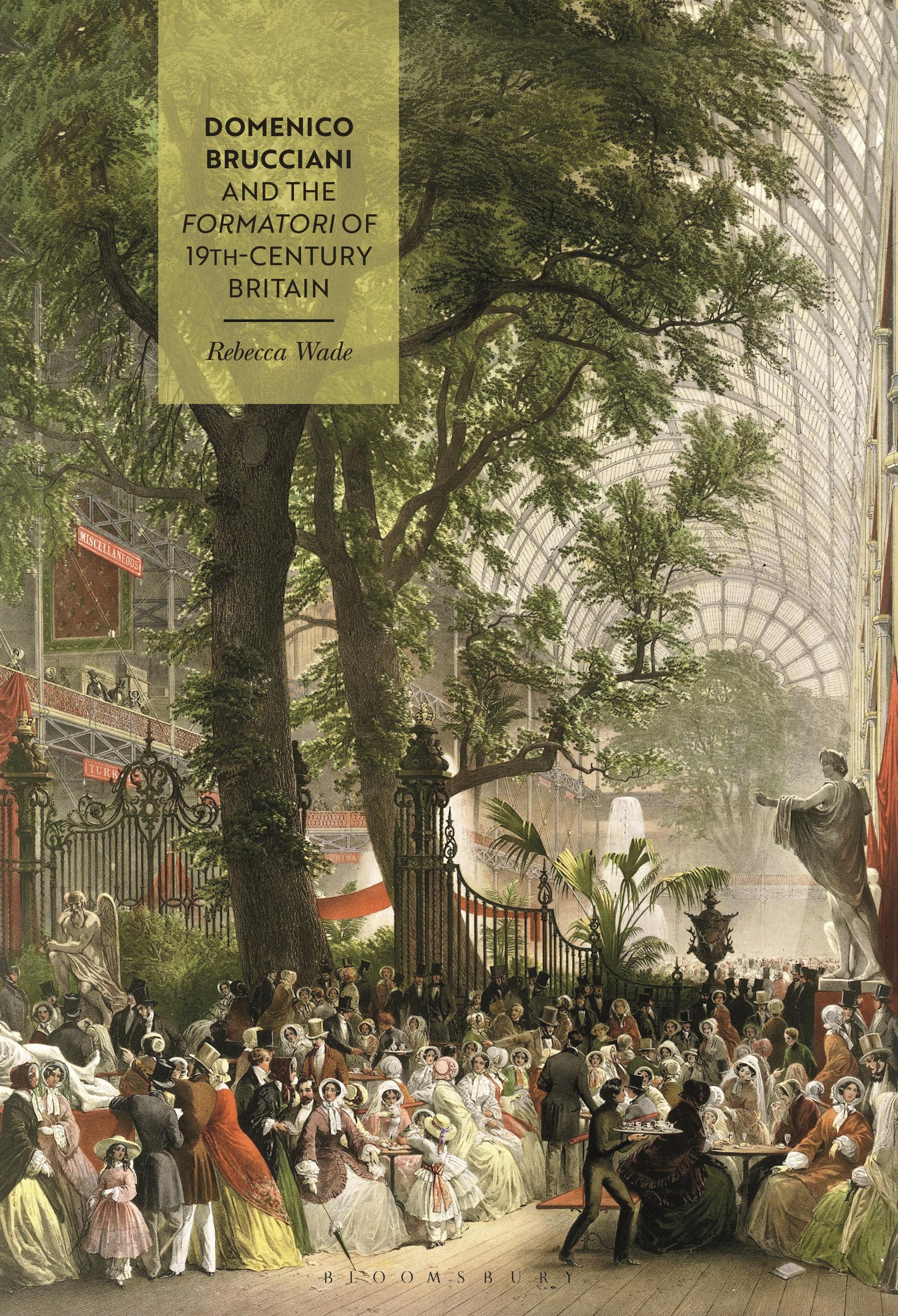
Born near the Tuscan province of Lucca in 1815, Domenico Brucciani became the most important and prolific maker of plaster casts in nineteenth-century Britain. This first substantive study shows how he and his business used public exhibitions, emerging museum culture and the nationalisation of art education to monopolise the market for reproductions of classical and contemporary sculpture.
Based in Covent Garden in London, Brucciani built a network of fellow Italian émigré formatori and collaborated with other makers of facsimiles-including Elkington the electrotype manufacturers, Copeland the makers of Parian ware and Benjamin Cheverton with his sculpture reducing machine-to bring sculpture into the spaces of learning and leisure for as broad a public as possible.
Brucciani's plaster casts survive in collections from North America to New Zealand, but the extraordinary breadth of his practice-making death masks of the famous and infamous, producing pioneering casts of anatomical, botanical and fossil specimens and decorating dance halls and theatres across Britain-is revealed here for the first time. By making unprecedented use of the nineteenth-century periodical press and dispersed archival sources, Domenico Brucciani and the Formatori of Nineteenth-Century Britain establishes the significance of Brucciani's sculptural practice to the visual and material cultures of Victorian Britain and beyond.
Based in Covent Garden in London, Brucciani built a network of fellow Italian émigré formatori and collaborated with other makers of facsimiles-including Elkington the electrotype manufacturers, Copeland the makers of Parian ware and Benjamin Cheverton with his sculpture reducing machine-to bring sculpture into the spaces of learning and leisure for as broad a public as possible.
Brucciani's plaster casts survive in collections from North America to New Zealand, but the extraordinary breadth of his practice-making death masks of the famous and infamous, producing pioneering casts of anatomical, botanical and fossil specimens and decorating dance halls and theatres across Britain-is revealed here for the first time. By making unprecedented use of the nineteenth-century periodical press and dispersed archival sources, Domenico Brucciani and the Formatori of Nineteenth-Century Britain establishes the significance of Brucciani's sculptural practice to the visual and material cultures of Victorian Britain and beyond.
Pagina's: 216
Categorie: Konst, Design & Fotografi
e-ISBN: 9781501332203
Verzendgewicht: 1.2 kg
Verzending binnen: 1-2 dagen
Betaal eenvoudig met kaart, Klarna, Apple Pay of Google Pay. Niet tevreden? Je hebt altijd 14 dagen bedenktijd. Lees meer in onze voorwaarden. Heb je vragen, mail ons dan via hello@memmo.org.
Memmo maakt studeren makkelijker – waar je ook bent ter wereld. Wij brengen je cursusboeken en slimme studietools samen op één plek: samenvattingen, quizzen, podcasts en flashcards. En Ted, je studievriend die antwoord geeft op alles wat je je afvraagt. Meer dan 50.000 studenten studeren hier al – gebouwd om je sneller te laten leren en minder stress te geven.