
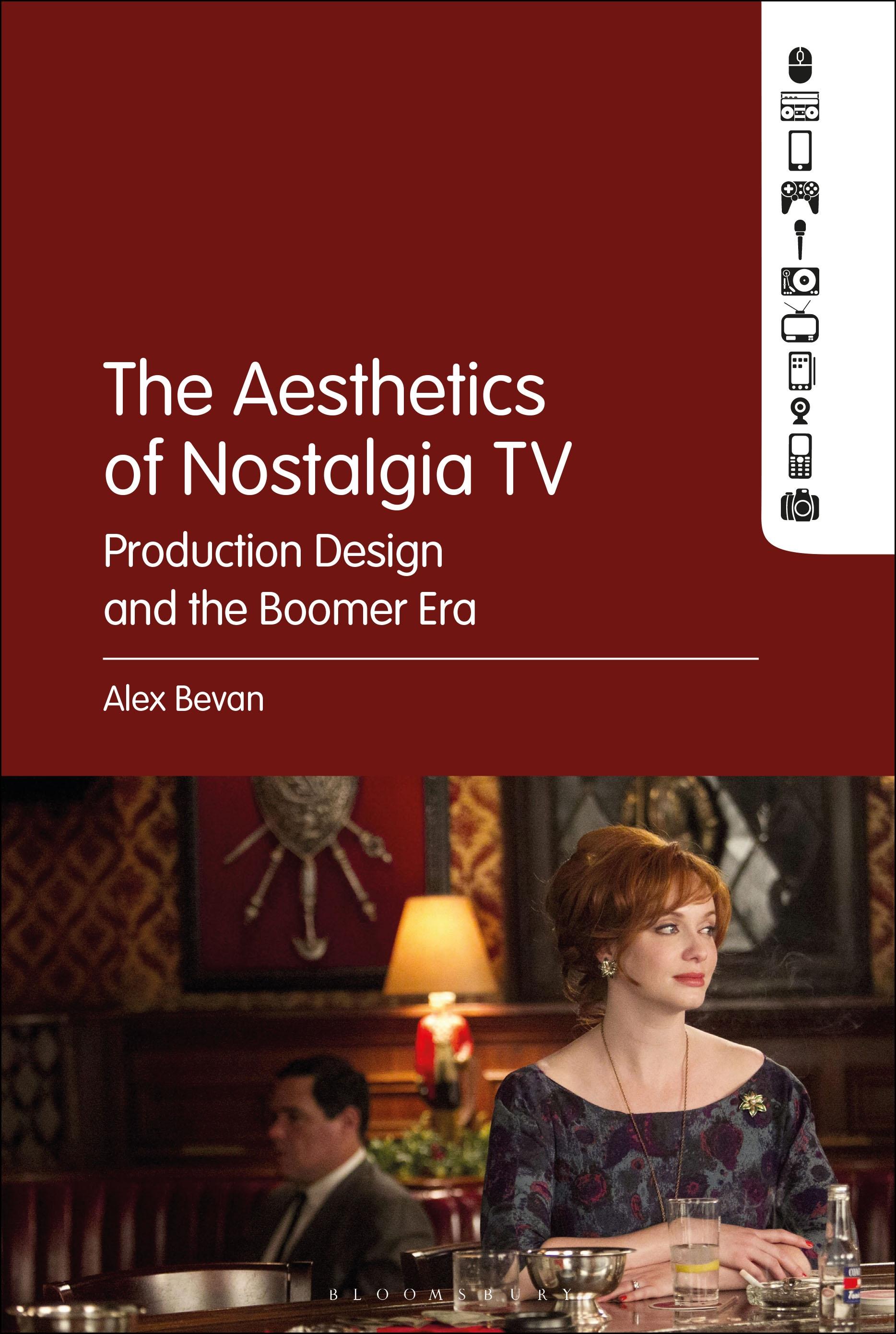
The Aesthetics of Nostalgia TV explores the aesthetic politics of nostalgia for 1950s and 60s America on contemporary television. Specifically, it looks at how nostalgic TV production design shapes and is shaped by larger historical discourses on gender and technological change, and America's perceived decline as a global power. Alex Bevan argues that the aesthetics of nostalgic TV tell stories of their own about historical decline and progress, and the place of the baby boomer television suburb in American national memory. She contests theories on nostalgia that see it as stagnating, regressive, or a reversion to outdated gender and racial politics, and the technophobic longing for a bygone era; and, instead, argues nostalgia is an important form of historical memory and vehicle for negotiating periods of historical transition. The book addresses how and why the shows construct the boomer era as a placeholder for gender, racial, technological, and declensionist discourses of the present. The book uses Mad Men (AMC, 2007-2015), Ugly Betty (ABC, 2006-2010), Desperate Housewives (ABC, 2004-2012), and film remakes of 1950s and 60s family sitcoms as primary case studies.
Betaal eenvoudig met kaart, Klarna, Apple Pay of Google Pay. Niet tevreden? Je hebt altijd 14 dagen bedenktijd. Lees meer in onze voorwaarden. Heb je vragen, mail ons dan via hello@memmo.org.
Memmo maakt studeren makkelijker – waar je ook bent ter wereld. Wij brengen je cursusboeken en slimme studietools samen op één plek: samenvattingen, quizzen, podcasts en flashcards. En Ted, je studievriend die antwoord geeft op alles wat je je afvraagt. Meer dan 50.000 studenten studeren hier al – gebouwd om je sneller te laten leren en minder stress te geven.