
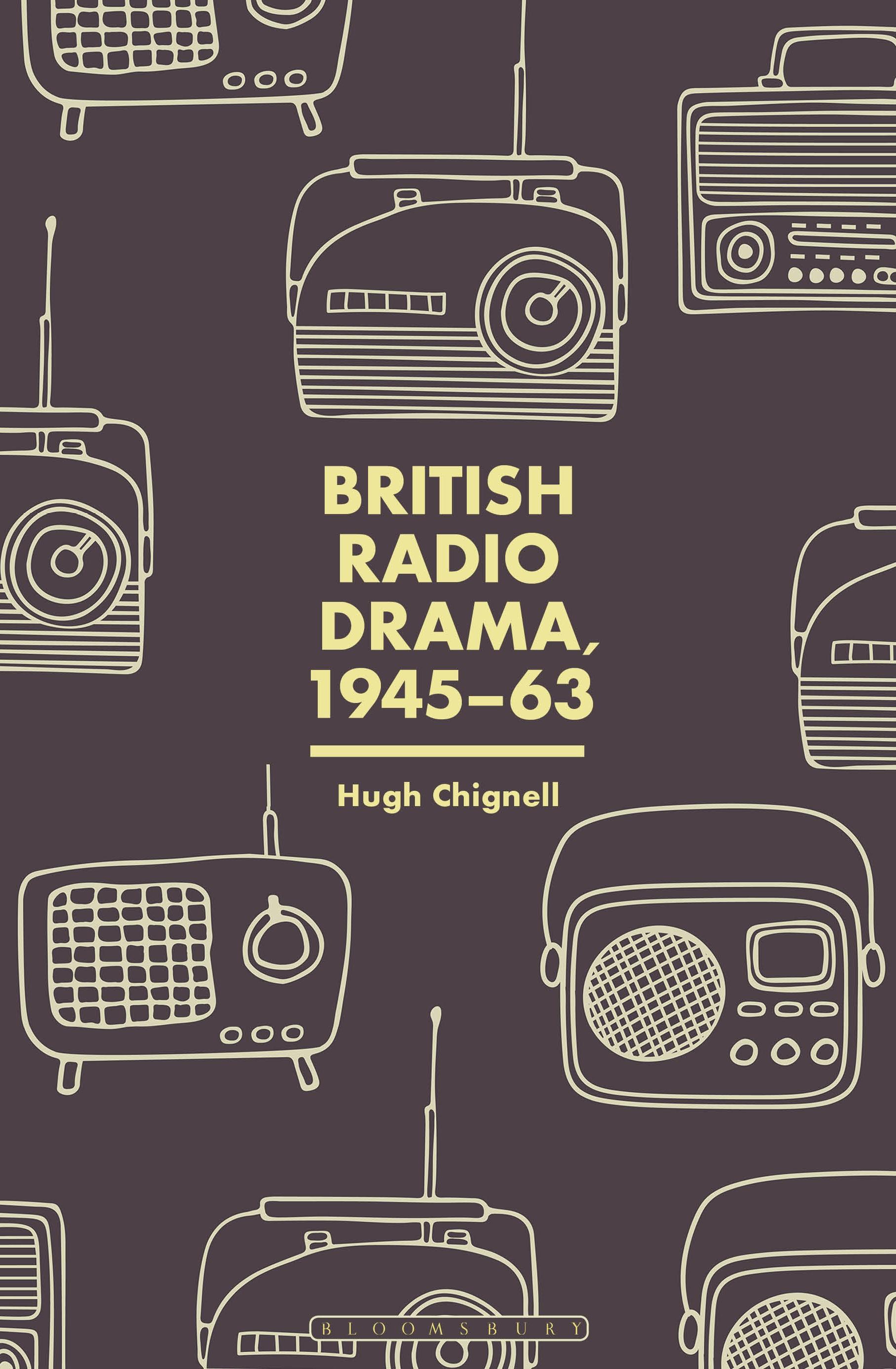
British Radio Drama, 1945-1963 reveals the quality and range of the avant-garde radio broadcasts from the 'golden age' of British radio drama. Turning away from the cautious and conservative programming that emerged in the UK immediately after World War II, young generations of radio producers looked to French theatre, introducing writers such as Samuel Beckett and Eugene Ionesco to British radio audiences. This 'theatre of the absurd' triggered a renaissance of writing and production featuring the work of Giles Cooper, Rhys Adrian and Harold Pinter, as well as the launch of the BBC Radiophonic Workshop.
Based on primary archival research and interviews with former BBC staff, Hugh Chignell places this high-point in the BBC's history in the broader context of British post-war culture, as norms of morality and behavior were re-negotiated in the shadow of the Cold War, while at once establishing the internationalism of post-war radio and theatre.
Based on primary archival research and interviews with former BBC staff, Hugh Chignell places this high-point in the BBC's history in the broader context of British post-war culture, as norms of morality and behavior were re-negotiated in the shadow of the Cold War, while at once establishing the internationalism of post-war radio and theatre.
Betaal eenvoudig met kaart, Klarna, Apple Pay of Google Pay. Niet tevreden? Je hebt altijd 14 dagen bedenktijd. Lees meer in onze voorwaarden. Heb je vragen, mail ons dan via hello@memmo.org.
Memmo maakt studeren makkelijker – waar je ook bent ter wereld. Wij brengen je cursusboeken en slimme studietools samen op één plek: samenvattingen, quizzen, podcasts en flashcards. En Ted, je studievriend die antwoord geeft op alles wat je je afvraagt. Meer dan 50.000 studenten studeren hier al – gebouwd om je sneller te laten leren en minder stress te geven.