
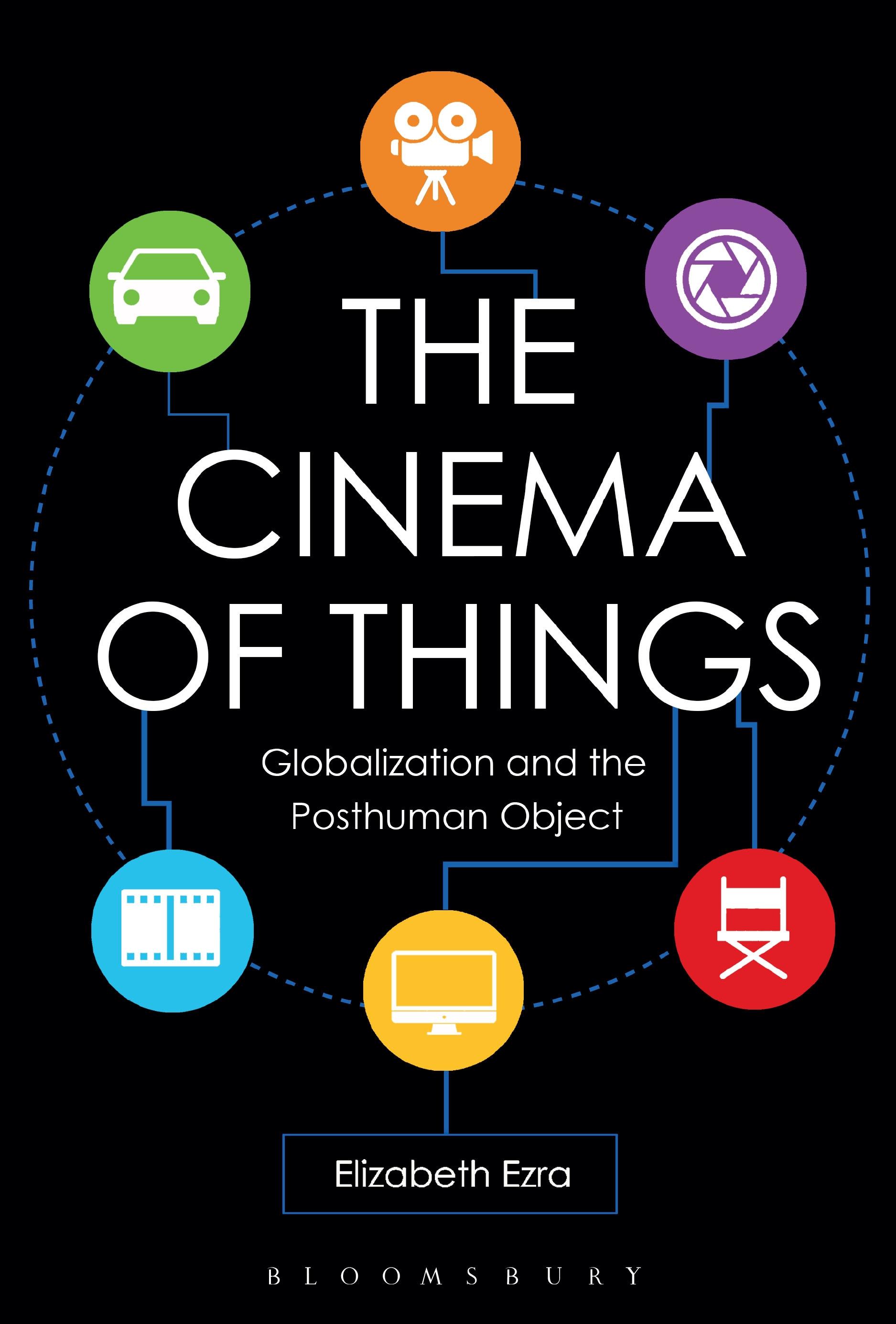
This book explores the border zones between life and non-life as represented in cinema from the end of the nineteenth century, when France led the global film industry, to the first decades of the twenty-first century, when world film markets are dominated by Hollywood. Informed by both the Internet of Things and the Parliament of Things, The Cinema of Things examines cinematic depictions of the ways in which human beings are prosthetically engaged with life beyond the self in the global age: by hyperconsumption; by structures of racial and sexual objectification that reduce people designated as “others” to objects of fascination, sexual gratification, warfare, or labor; and by information technology that replaces human agency with encoding.
Consumer culture, a key feature of globalization, posits that we must supplement ourselves with commodities without which we would otherwise be incomplete: but these prostheses, rather than enhancing us, end up creating the insufficiencies they were meant to overcome. We are engulfed by objects, to the extent that we ourselves are becoming objectified. At the same time, objects, especially technological objects, are becoming increasingly autonomous, assuming roles that were once the preserve of human agency. We are becoming the objects of globalization, and cinema imaginatively represents this transformation, but it also offers us the possibility of retaining our humanity in the process.
Consumer culture, a key feature of globalization, posits that we must supplement ourselves with commodities without which we would otherwise be incomplete: but these prostheses, rather than enhancing us, end up creating the insufficiencies they were meant to overcome. We are engulfed by objects, to the extent that we ourselves are becoming objectified. At the same time, objects, especially technological objects, are becoming increasingly autonomous, assuming roles that were once the preserve of human agency. We are becoming the objects of globalization, and cinema imaginatively represents this transformation, but it also offers us the possibility of retaining our humanity in the process.
Pagina's: 216
Categorie: Film- & Medievetenskap
e-ISBN: 9781501328831
Verzendgewicht: 1.2 kg
Verzending binnen: 1-2 dagen
Betaal eenvoudig met kaart, Klarna, Apple Pay of Google Pay. Niet tevreden? Je hebt altijd 14 dagen bedenktijd. Lees meer in onze voorwaarden. Heb je vragen, mail ons dan via hello@memmo.org.
Memmo maakt studeren makkelijker – waar je ook bent ter wereld. Wij brengen je cursusboeken en slimme studietools samen op één plek: samenvattingen, quizzen, podcasts en flashcards. En Ted, je studievriend die antwoord geeft op alles wat je je afvraagt. Meer dan 50.000 studenten studeren hier al – gebouwd om je sneller te laten leren en minder stress te geven.