
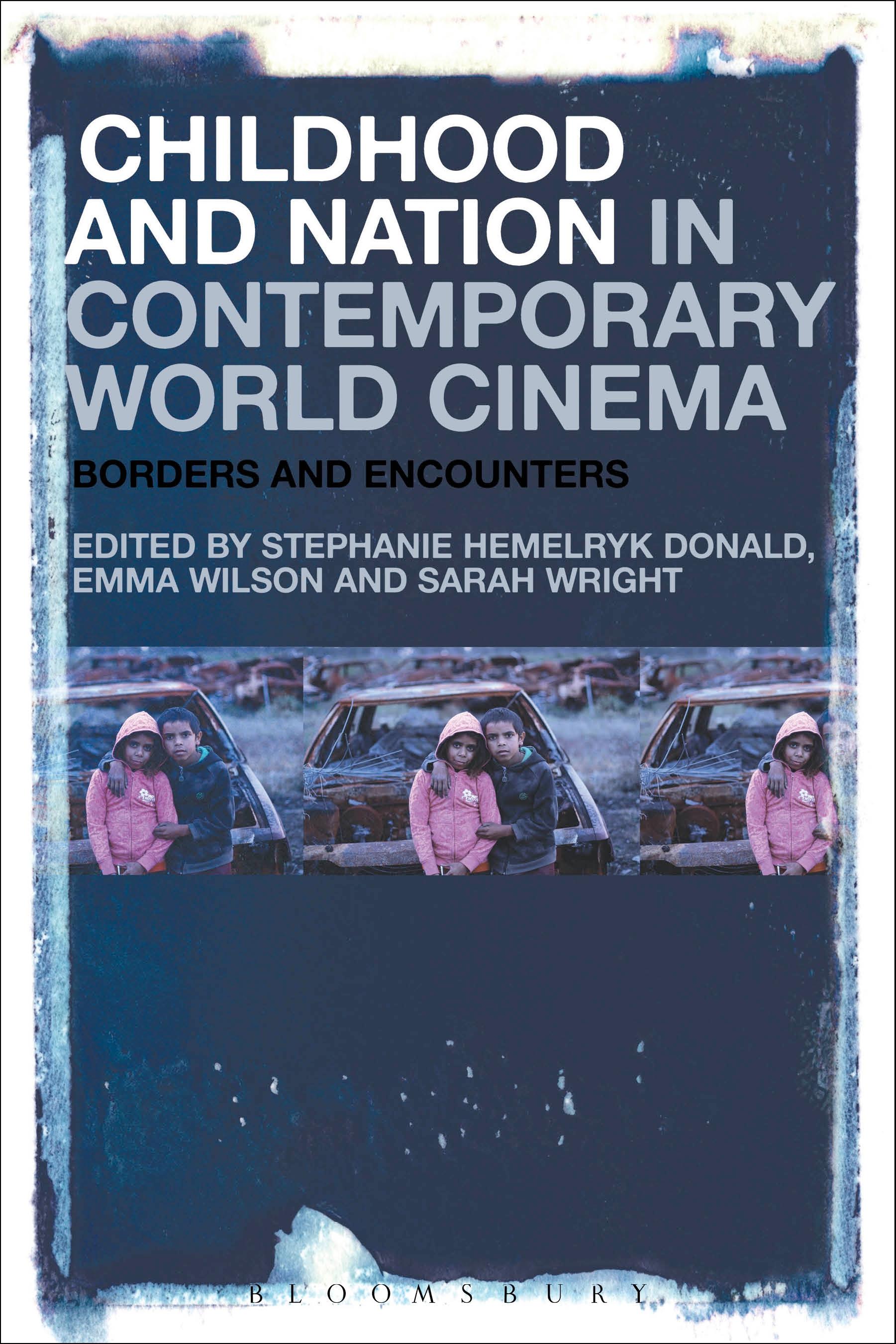
The child has existed in cinema since the Lumière Brothers filmed their babies having messy meals in Lyons, but it is only quite recently that scholars have paid serious attention to her/his presence on screen. Scholarly discussion is now of the highest quality and of interest to anyone concerned not only with the extent to which adult cultural conversations invoke the figure of the child, but also to those interested in exploring how film cultures can shift questions of agency and experience in relation to subjectivity. Childhood and Nation in World Cinema recognizes that the range of films and scholarship is now sufficiently extensive to invoke the world cinema mantra of pluri-vocal and pluri-central attention and interpretation. At the same time, the importance of the child in figuring ideas of nationhood is an undiminished tic in adult cultural and social consciousness. Either the child on film provokes claims on the nation or the nation claims the child. Given the waning star of national film studies, and the widely held and serious concerns over the status of the nation as a meaningful cultural unit, the point here is not to assume some extraordinary pre-social geopolitical empathy of child and political entity. Rather, the present collection observes how and why and whether the cinematic child is indeed aligned to concepts of modern nationhood, to concerns of the State, and to geo-political organizational themes and precepts.
Betaal eenvoudig met kaart, Klarna, Apple Pay of Google Pay. Niet tevreden? Je hebt altijd 14 dagen bedenktijd. Lees meer in onze voorwaarden. Heb je vragen, mail ons dan via hello@memmo.org.
Memmo maakt studeren makkelijker – waar je ook bent ter wereld. Wij brengen je cursusboeken en slimme studietools samen op één plek: samenvattingen, quizzen, podcasts en flashcards. En Ted, je studievriend die antwoord geeft op alles wat je je afvraagt. Meer dan 50.000 studenten studeren hier al – gebouwd om je sneller te laten leren en minder stress te geven.