
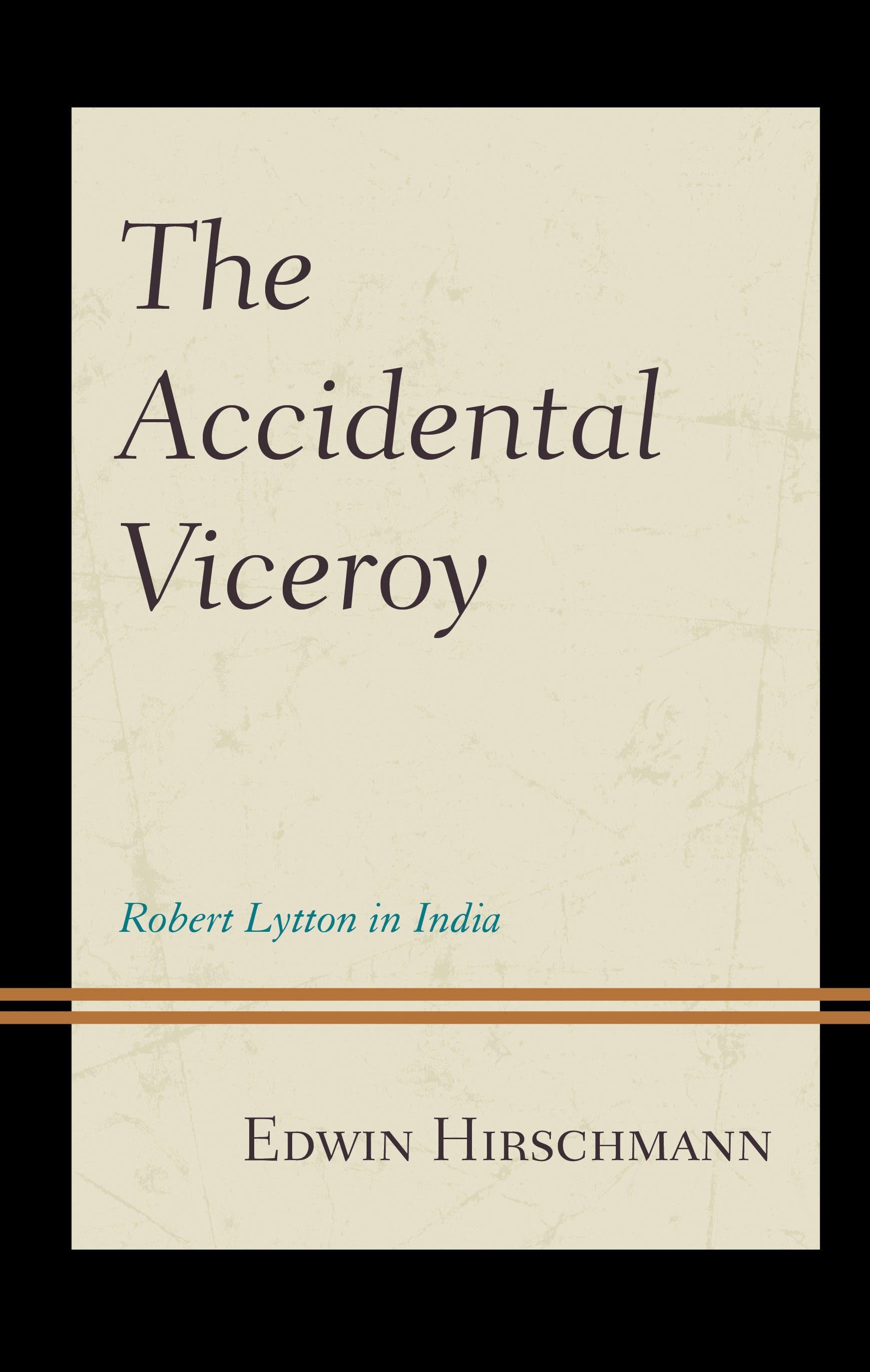
The Age of Imperialism reached its peak in the late nineteenth century. The British Empire was the foremost colonial power, and the keystone was India. However, even at its peak, the British Raj was beset by internal rivalries and fears of external threats. In 1875, British Prime Minister Benjamin Disraeli chose as viceroy Lord Robert Bulwer-Lytton, diplomat and poet, the son of an old friend, but someone with no Indian experience. Lytton accepted reluctantly—and never enjoyed it. He was under the thumb of the Secretary of State for India, the shrewd and ambitious Third Marquess of Salisbury, during most of his four years in India. During his viceroyalty, Lytton had to deal with shifting British policies, a major famine, the freedom-loving people of Afghanistan, an entrenched civil service, and a rising generation of patriotic Indians. In the 1880 elections, Disraeli’s Conservatives were defeated by Gladstone’s Liberals, and Lytton resigned.
Betaal eenvoudig met kaart, Klarna, Apple Pay of Google Pay. Niet tevreden? Je hebt altijd 14 dagen bedenktijd. Lees meer in onze voorwaarden. Heb je vragen, mail ons dan via hello@memmo.org.
Memmo maakt studeren makkelijker – waar je ook bent ter wereld. Wij brengen je cursusboeken en slimme studietools samen op één plek: samenvattingen, quizzen, podcasts en flashcards. En Ted, je studievriend die antwoord geeft op alles wat je je afvraagt. Meer dan 50.000 studenten studeren hier al – gebouwd om je sneller te laten leren en minder stress te geven.