
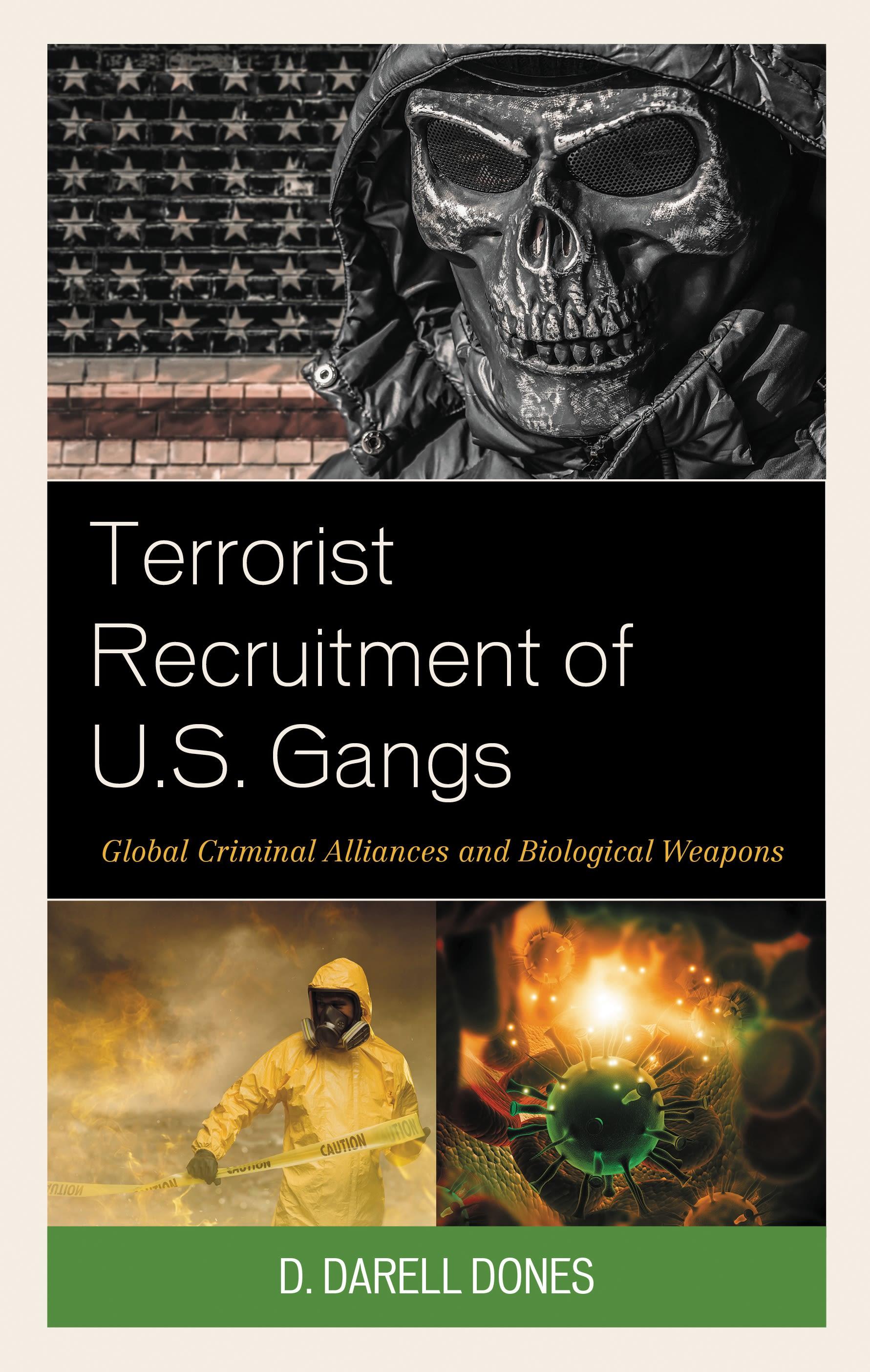
Since the September 11, 2001 US-Terrorist Attacks there has been an overwhelming increase in documented cases of violent acts of extremism made possible by radical terrorist recruitment of domestic gangs. These new, global criminal alliances combine tech-savvy radical extremists and the local knowledge and manpower of U.S.-based gangs creating a greater potential for biological attacks. As a result, both law enforcement and intelligence agencies have been forced to align their coordination efforts to a greater extent with colleges, universities, private infrastructures, and the military to shift national security efforts from reactive to proactive. D. Darell Dones examines the parallel terrorist-gang activities and prevailing psychosocial factors that explain the varying radical beliefs, causations, and behavioral mindset of these criminal partnerships.
Betaal eenvoudig met kaart, Klarna, Apple Pay of Google Pay. Niet tevreden? Je hebt altijd 14 dagen bedenktijd. Lees meer in onze voorwaarden. Heb je vragen, mail ons dan via hello@memmo.org.
Memmo maakt studeren makkelijker – waar je ook bent ter wereld. Wij brengen je cursusboeken en slimme studietools samen op één plek: samenvattingen, quizzen, podcasts en flashcards. En Ted, je studievriend die antwoord geeft op alles wat je je afvraagt. Meer dan 50.000 studenten studeren hier al – gebouwd om je sneller te laten leren en minder stress te geven.