
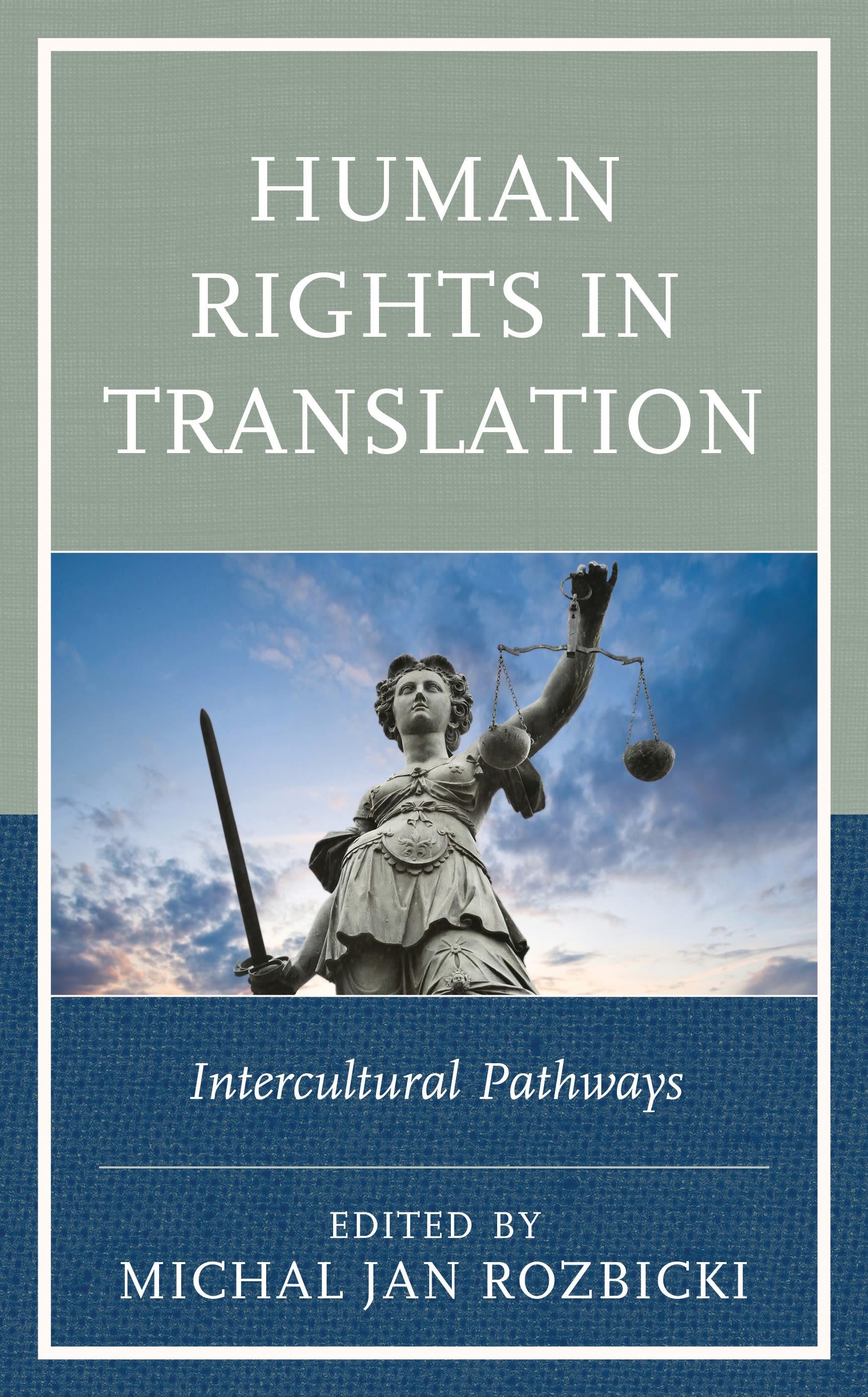
This volume reflects on what happens when the idea and practice of universal human rights cross the cultural borders between different communities of knowledge. Although such rights are usually presumed to be founded on certain globally shared beliefs, the norms and values of many cultures are often incommensurable with these "universal" principles, and hence the need to translate and “vernacularize” them. Any law that would successfully institutionalize them must frame human rights in a way that defers to the historically constituted cultural capital of the society in which it is to function. The essays in this book seek to illuminate different cognitive contexts that produce different meanings of rights, identify spaces of intercultural crossings where differences can coexist, and offer usable narratives and metaphors that could help mediate between distinct cultures. They show that the path forward does not lead through a unified theory of human rights that can be applied globally, nor through mere repackaging of rights in a more understandable language. What is needed is a deep understanding of the process of intercultural dialogue, the cultural "grammar" involved in relationships of difference.
Betaal eenvoudig met kaart, Klarna, Apple Pay of Google Pay. Niet tevreden? Je hebt altijd 14 dagen bedenktijd. Lees meer in onze voorwaarden. Heb je vragen, mail ons dan via hello@memmo.org.
Memmo maakt studeren makkelijker – waar je ook bent ter wereld. Wij brengen je cursusboeken en slimme studietools samen op één plek: samenvattingen, quizzen, podcasts en flashcards. En Ted, je studievriend die antwoord geeft op alles wat je je afvraagt. Meer dan 50.000 studenten studeren hier al – gebouwd om je sneller te laten leren en minder stress te geven.