
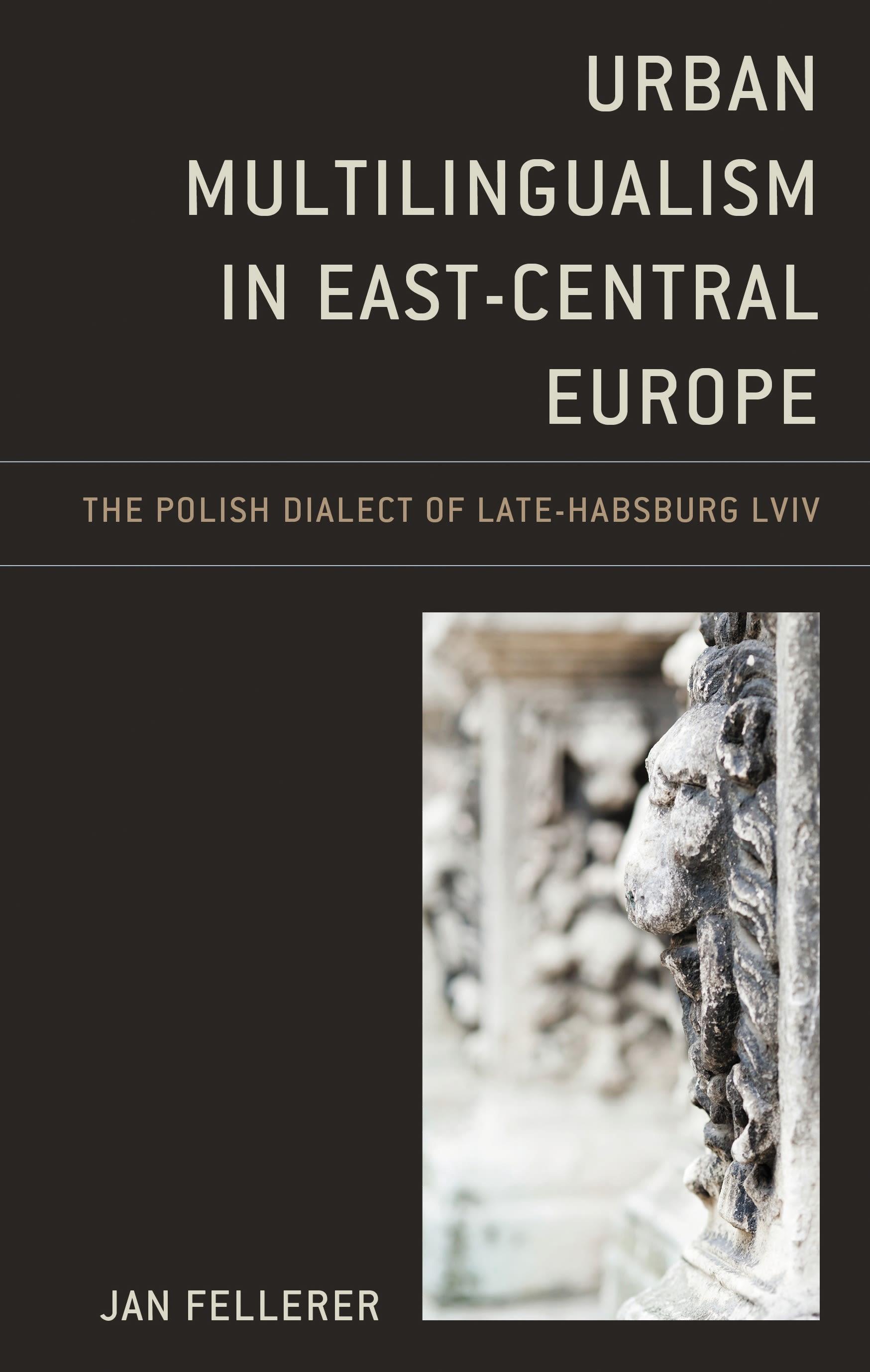
Urban Multilingualism in East-Central Europe: The Polish Dialect of Late-Habsburg Lviv makes the case for a two-pronged approach to past urban multilingualism in East-Central Europe, one that considers both historical and linguistic features. Based on archival materials from late-Habsburg Lemberg––now Lviv in western Ukraine––the author examines its workings in day-to-day life in the streets, shops, and homes of the city in the late nineteenth and early twentieth centuries. The places where the city’s Polish-Ukrainian-Yiddish-German encounters took place produced a distinct urban dialect. A variety of south-eastern “borderland” Polish, it was subject to strong ongoing Ukrainian as well as Yiddish and German influence. Jan Fellerer analyzes its main morpho-syntactic features with reference to diverse written and recorded sources of the time. This approach represents a departure from many other studies that focus on the phonetics and inflectional morphology of Slavic dialects. Fellerer argues that contact-induced linguistic change is contingent on the historical specifics of the contact setting. The close-knit urban community of historical Lviv and its dialect provide a rich interdisciplinary case study.
Betaal eenvoudig met kaart, Klarna, Apple Pay of Google Pay. Niet tevreden? Je hebt altijd 14 dagen bedenktijd. Lees meer in onze voorwaarden. Heb je vragen, mail ons dan via hello@memmo.org.
Memmo maakt studeren makkelijker – waar je ook bent ter wereld. Wij brengen je cursusboeken en slimme studietools samen op één plek: samenvattingen, quizzen, podcasts en flashcards. En Ted, je studievriend die antwoord geeft op alles wat je je afvraagt. Meer dan 50.000 studenten studeren hier al – gebouwd om je sneller te laten leren en minder stress te geven.