
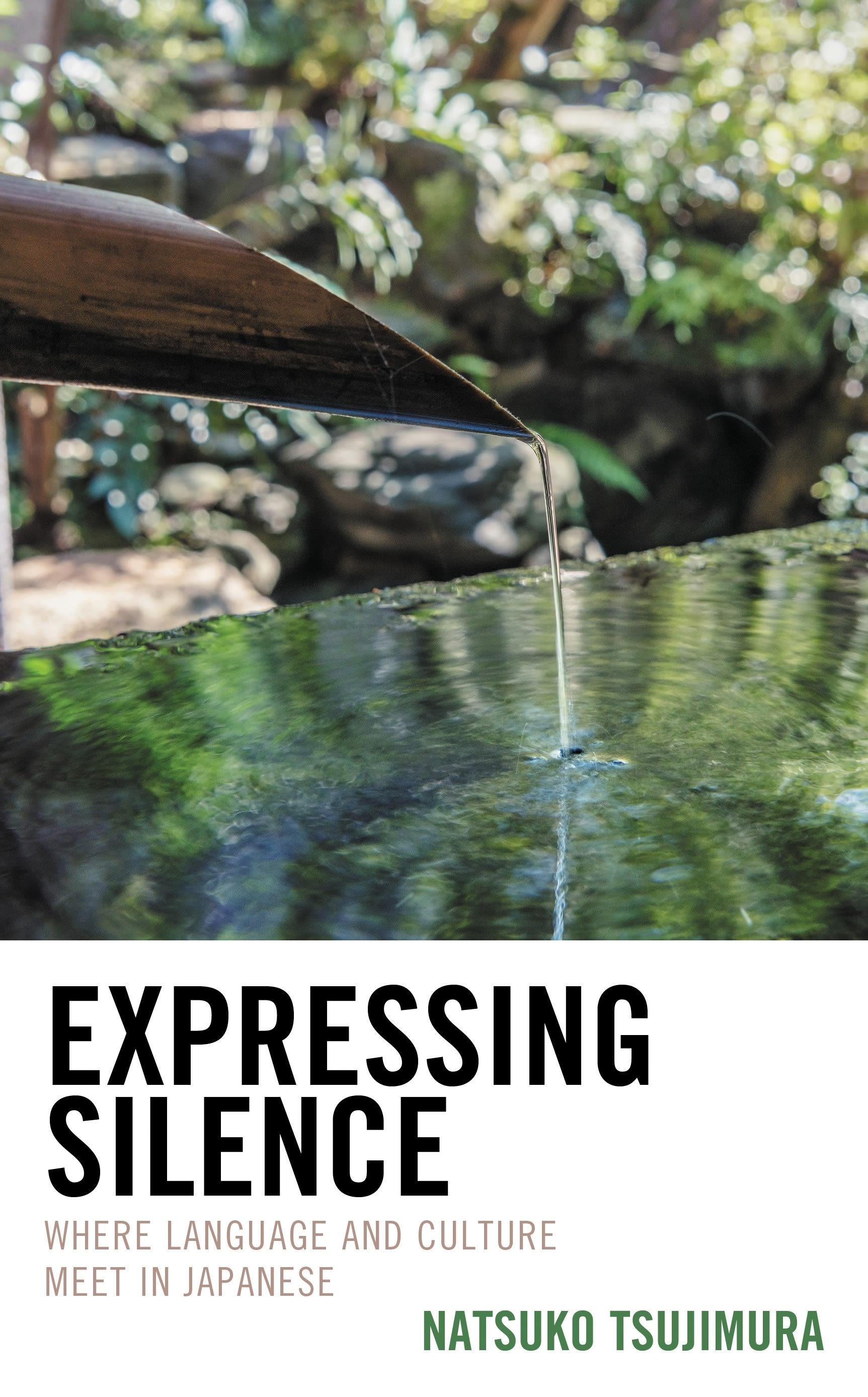
In Expressing Silence: Where Language and Culture Meet in Japanese, Natsuko Tsujimura discusses how silence is conceptualized and linguistically represented in Japanese. Languages differ widely in the specific linguistic and rhetorical modes through which vivid depictions of silence are achieved. In Japanese, sounds in nature evoke silence, and onomatopoeia plays an important role in simulating silent scenes. These linguistic mechanisms mediate the perception of the symbiotic relationship between sound and silence, a perception deeply embedded in the Japanese cultural experience. Expressing Silence brings the tools of both linguistic and cultural analysis in examining the remarkably rich array of representations of silence in Japanese language and culture, finding that depictions of silence through language cannot be understood without exploring what sound or silence mean to the speakers.
Betaal eenvoudig met kaart, Klarna, Apple Pay of Google Pay. Niet tevreden? Je hebt altijd 14 dagen bedenktijd. Lees meer in onze voorwaarden. Heb je vragen, mail ons dan via hello@memmo.org.
Memmo maakt studeren makkelijker – waar je ook bent ter wereld. Wij brengen je cursusboeken en slimme studietools samen op één plek: samenvattingen, quizzen, podcasts en flashcards. En Ted, je studievriend die antwoord geeft op alles wat je je afvraagt. Meer dan 50.000 studenten studeren hier al – gebouwd om je sneller te laten leren en minder stress te geven.