
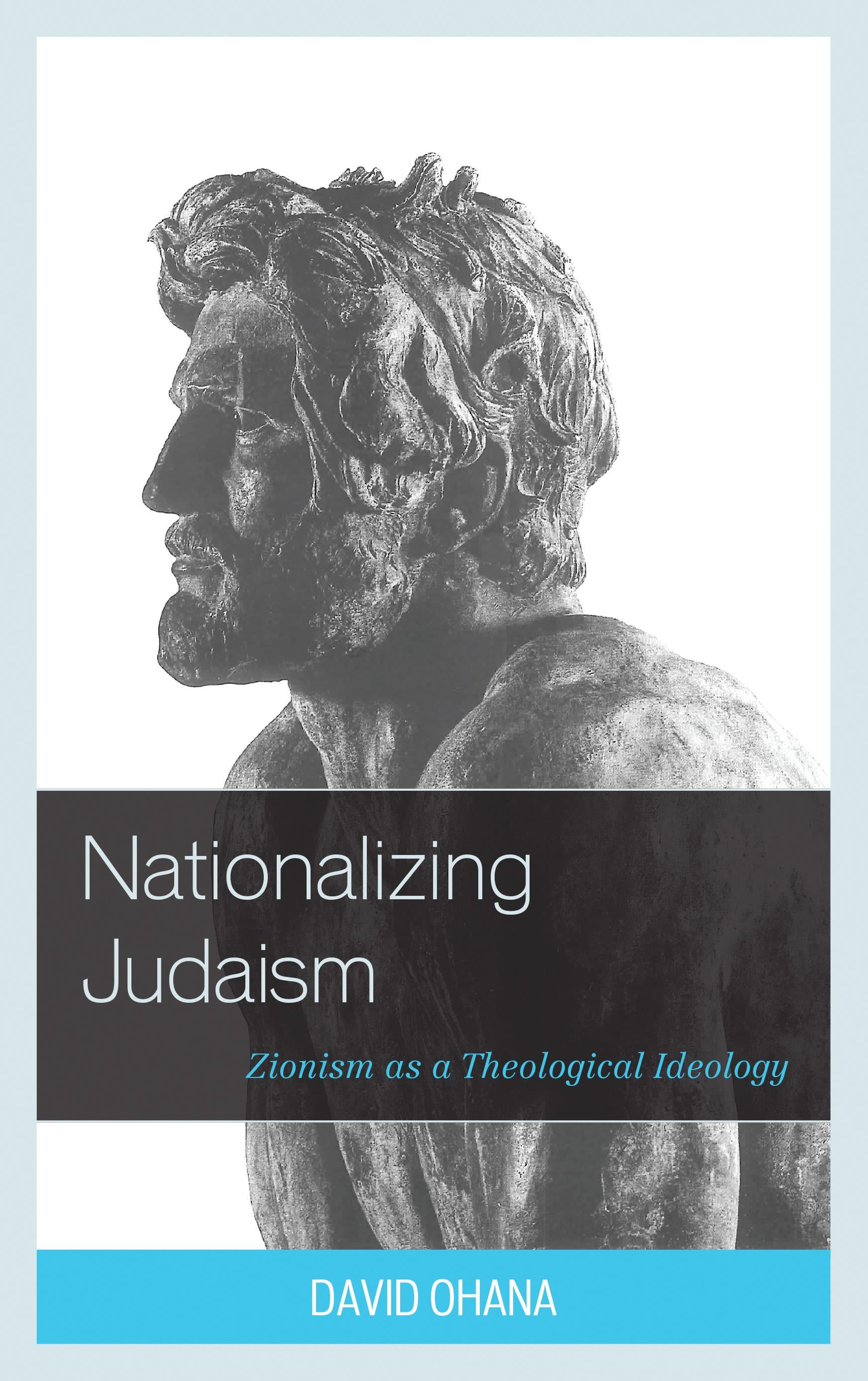
This new book by historian David Ohana analyzes Zionism and the Israeli state as a theological ideology. The book pursues this provocative end by showing the dialectical tension between Judaism and Zionism. How has Zionism molded perceptions and images that were formed in the Jewish past, and to what extent were these Jewish themes reflected, modified, and crystallized in the national culture of the State of Israel?
Nationalizing Judaism covers constituent topics such as Messianism, Utopianism, territorialism, collective memory, and political myths along with the critics that threatened to undermine Zionist appropriations and constructs. Thus, in addition to the 1942 “Million Plan” and territorial redemptionist views, the book discusses fundamental critiques of Messianism penned by the historians Gershom Scholem and Jacob Talmon and de-territorial perceptions of the Levant by the writer and the essayist Jacqueline Kahanoff.
Nationalizing Judiasm closes with the nationalization of the desert, the vision of David Ben-Gurion (“the old man”) who proclaimed statehood in 1948, as shown by his funeral and the symbolic memory of his grave. In its attempt to acquire historical legitimation Zionism appropriated themes and myths from the Jewish past, yet these appropriations were differentiated as they had selectively culled elements that suited the national ethos. The book opens with Ben-Gurion’s messianic vision and comes full circle with his death in 1973.
Nationalizing Judaism covers constituent topics such as Messianism, Utopianism, territorialism, collective memory, and political myths along with the critics that threatened to undermine Zionist appropriations and constructs. Thus, in addition to the 1942 “Million Plan” and territorial redemptionist views, the book discusses fundamental critiques of Messianism penned by the historians Gershom Scholem and Jacob Talmon and de-territorial perceptions of the Levant by the writer and the essayist Jacqueline Kahanoff.
Nationalizing Judiasm closes with the nationalization of the desert, the vision of David Ben-Gurion (“the old man”) who proclaimed statehood in 1948, as shown by his funeral and the symbolic memory of his grave. In its attempt to acquire historical legitimation Zionism appropriated themes and myths from the Jewish past, yet these appropriations were differentiated as they had selectively culled elements that suited the national ethos. The book opens with Ben-Gurion’s messianic vision and comes full circle with his death in 1973.
Betaal eenvoudig met kaart, Klarna, Apple Pay of Google Pay. Niet tevreden? Je hebt altijd 14 dagen bedenktijd. Lees meer in onze voorwaarden. Heb je vragen, mail ons dan via hello@memmo.org.
Memmo maakt studeren makkelijker – waar je ook bent ter wereld. Wij brengen je cursusboeken en slimme studietools samen op één plek: samenvattingen, quizzen, podcasts en flashcards. En Ted, je studievriend die antwoord geeft op alles wat je je afvraagt. Meer dan 50.000 studenten studeren hier al – gebouwd om je sneller te laten leren en minder stress te geven.