
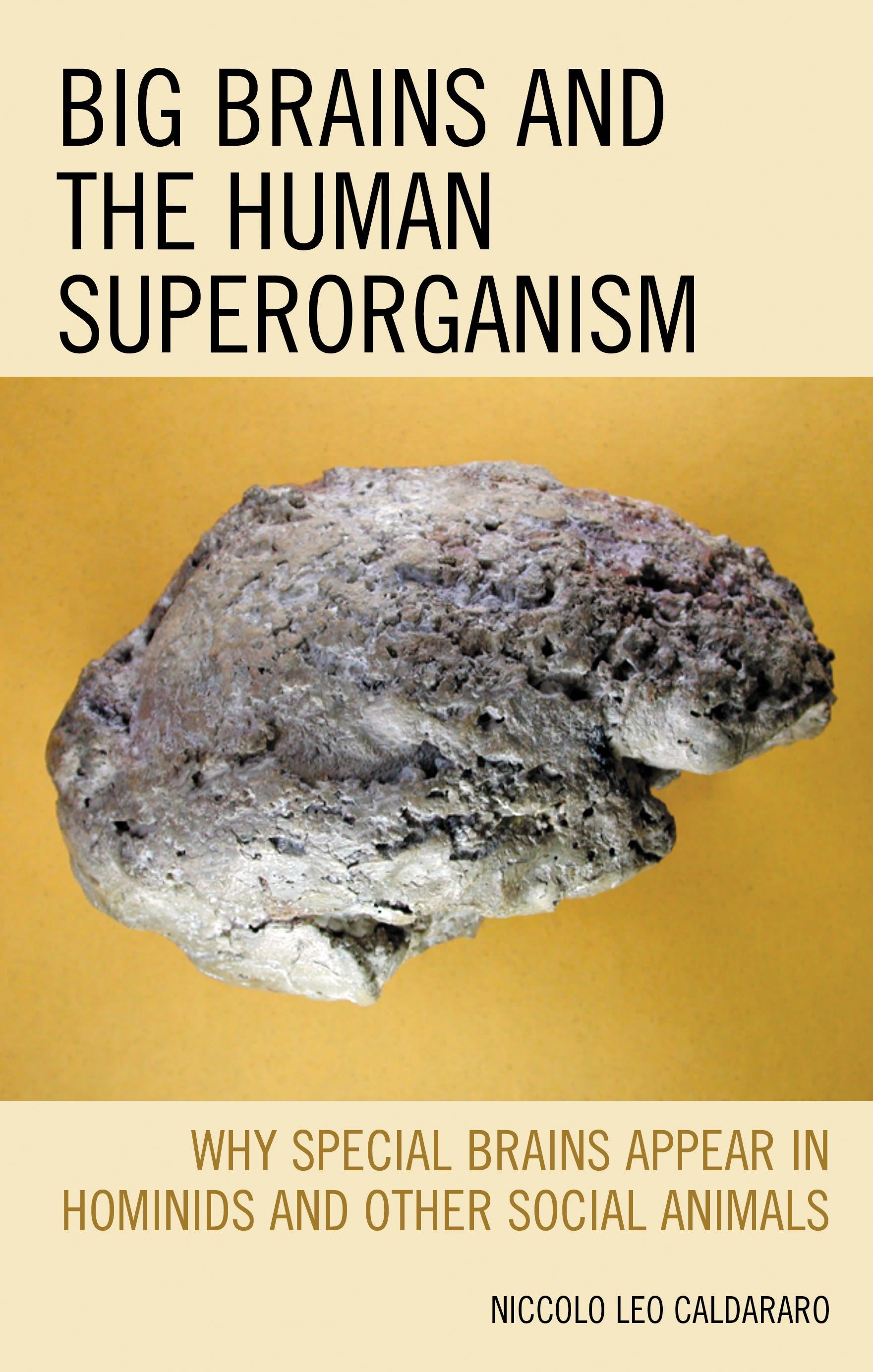
This book examines why humans have big brains, what big brains enable us to do, and how specialized brains are associated with eusociality in animals. It explores why brains expanded so slowly, and then why they stopped growing. This book whittles down the theories on brain size evolution to a few that represent testable hypotheses to identify logical and practical explanations for the phenomenon. At the core of this book is data derived from original, previously unpublished research on brain size in a number of social mammals. This data supports the idea that evolution of the brain in humans is the result of social interaction. This book also traces the products of the social brain: ideology, religion, urban life, housing, and learning and adapting to dense complex social interactions. It uniquely compares brain evolution in social animals across the animal kingdom, and examines the nature of the human brain and its evolution within the social and historical context of complex human social structures.
Betaal eenvoudig met kaart, Klarna, Apple Pay of Google Pay. Niet tevreden? Je hebt altijd 14 dagen bedenktijd. Lees meer in onze voorwaarden. Heb je vragen, mail ons dan via hello@memmo.org.
Memmo maakt studeren makkelijker – waar je ook bent ter wereld. Wij brengen je cursusboeken en slimme studietools samen op één plek: samenvattingen, quizzen, podcasts en flashcards. En Ted, je studievriend die antwoord geeft op alles wat je je afvraagt. Meer dan 50.000 studenten studeren hier al – gebouwd om je sneller te laten leren en minder stress te geven.