
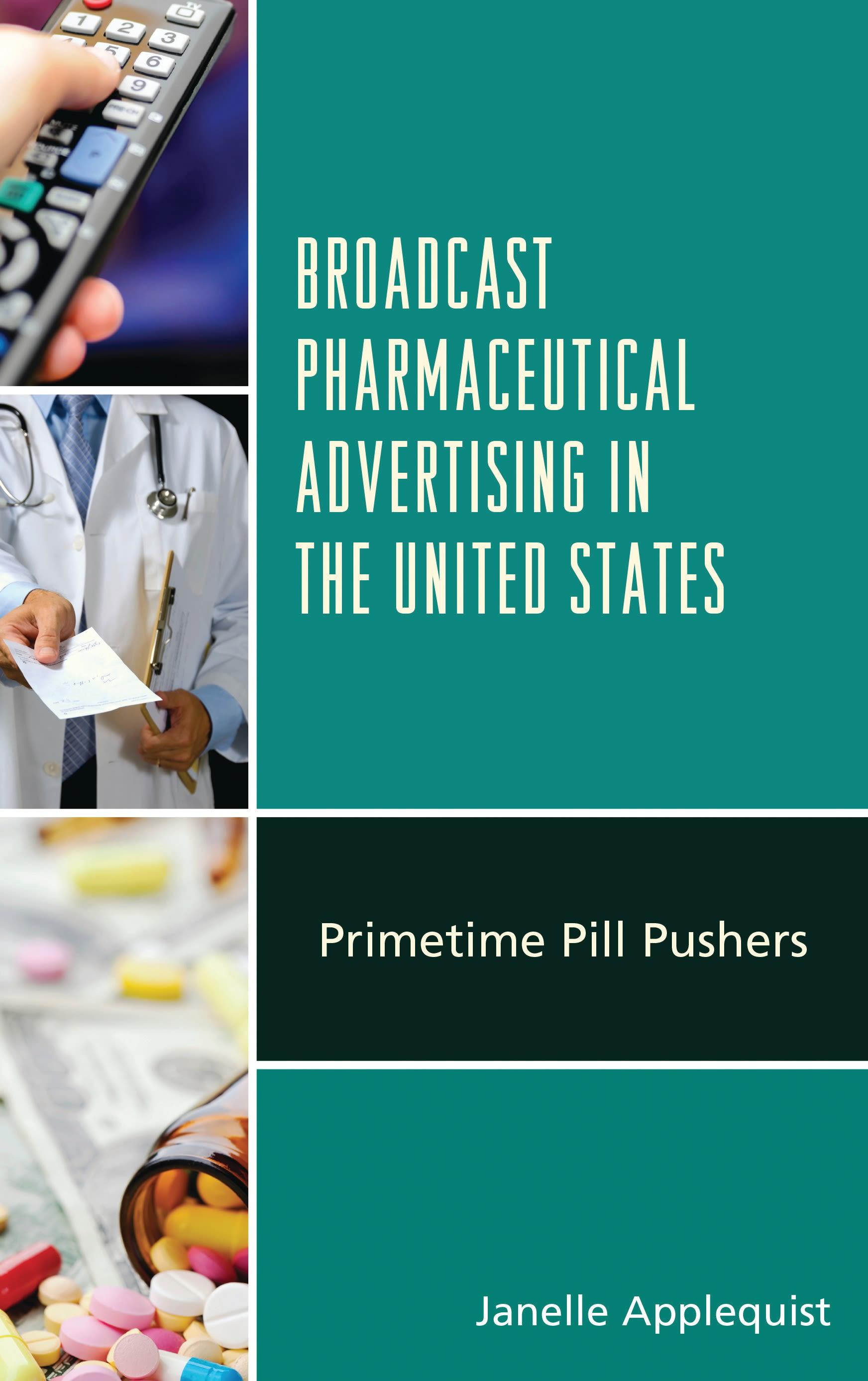
How often do we stop to recognize what pharmaceutical advertisements are telling us? Broadcast Pharmaceutical Advertising in the United States: Prime Time Pill Pushers engages with this question to include how pharmaceutical companies are shaping the meaning of drug interventions for individuals and the ways in which pharmaceutical advertisements frame issues of identity and representation for patients and health care. Such issues highlight how patients are being framed as consumers in these advertisements, which then permits the commodification of health care to be celebrated. Such a celebration has strong ideological implications, including definitions of “the good life,” patient agency, and the role of DTCAs in such depictions. By defining and discussing medicalization, pharmaceuticalization, and commodity fetishism, this book introduces how the term “pharmaceutical fetishism” can act as a means for describing the commodification of brand-name pharmaceutical drugs, which, via advertising and promotional culture, ignores large-scale production and for-profit motives of “big pharma.”
Betaal eenvoudig met kaart, Klarna, Apple Pay of Google Pay. Niet tevreden? Je hebt altijd 14 dagen bedenktijd. Lees meer in onze voorwaarden. Heb je vragen, mail ons dan via hello@memmo.org.
Memmo maakt studeren makkelijker – waar je ook bent ter wereld. Wij brengen je cursusboeken en slimme studietools samen op één plek: samenvattingen, quizzen, podcasts en flashcards. En Ted, je studievriend die antwoord geeft op alles wat je je afvraagt. Meer dan 50.000 studenten studeren hier al – gebouwd om je sneller te laten leren en minder stress te geven.