
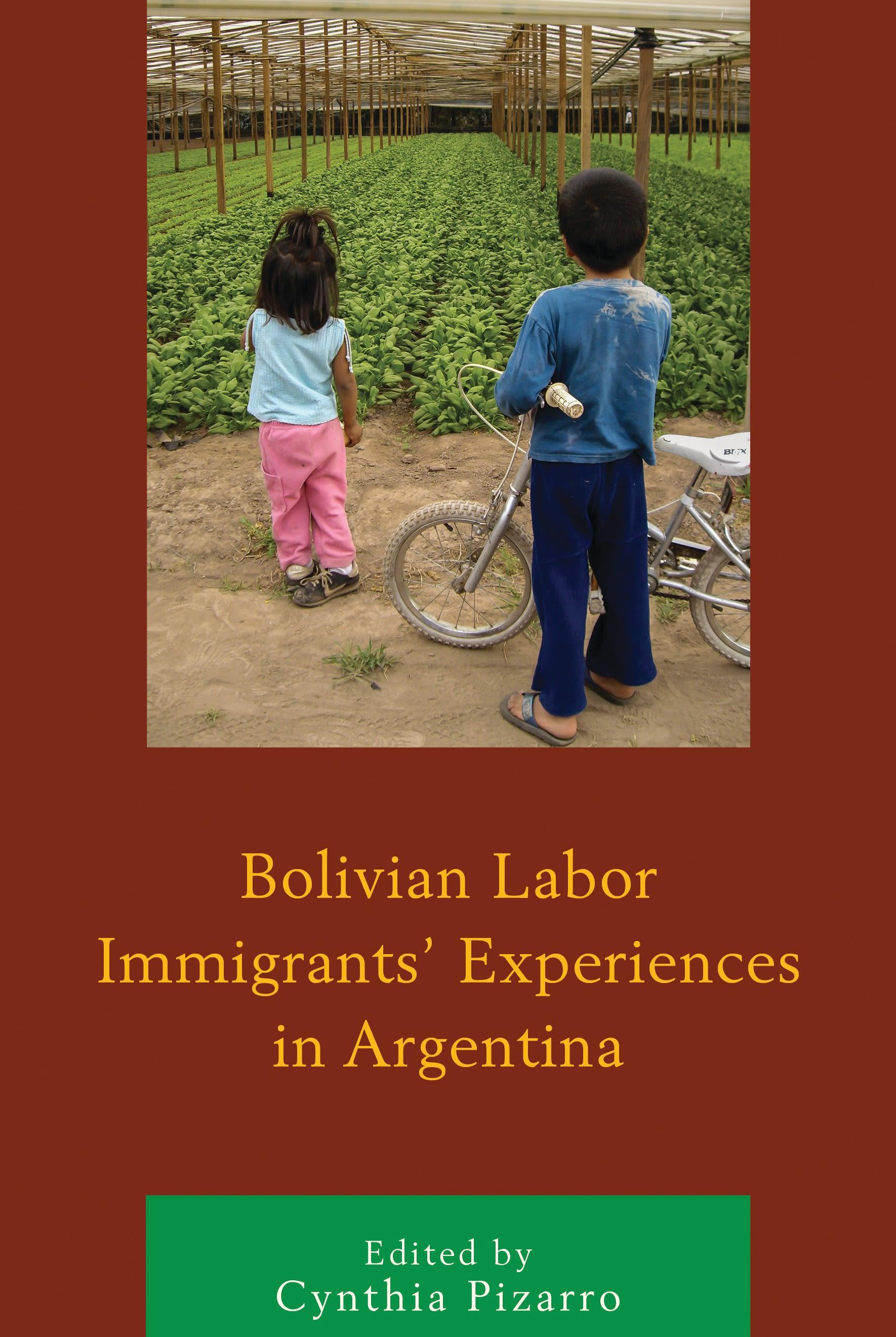
Bolivian Labor Immigrants' Experiences in Argentina
Auteur: Soraya Ataide, María Lourdes Basualdo, Roberto Benencia, Ana María Ciarallo, Mariana Ferreiro, María José Magliano, Ana Inés Mallimaci Barral, Marta Silvia Moreno, Cynthia Pizarro, Sergey Ryazantsev, Verónica Trpin
Uitgever: Bloomsbury Publishing
Editie: 1
Publicatiedatum: 2015
ISBN: 9781498514163
Bolivian Labor Immigrants' Experiences in Argentina examines key issues regarding the structural factors that pattern the integration of Bolivian immigrants in labor markets segmented by inequalities based on class, gender, ethnicity/race, nationality, and migratory and legal status. The book provides ethnographic insights about the various ways in which Bolivian immigrants experience harsh living and working conditions in Argentina, demonstrating that these men and women are capable of dealing with oppressive situations and of performing particular ways of resistance.
The book also refers to the trajectories of some Bolivians who had previously migrated to Spain and returned to Argentina after the European crisis in 2008. And it compares the south-south labor migration from Bolivia to Argentina with the north-north one from Tajikistan to the Russian Federation. The focus on labor migrants does not lead to a reductionist economic analysis of their trajectories, experiences, and prospects for the future. On the contrary, they are studied from a holistic anthropological approach, considering that migrants make sense of their territorial mobility from complex points of view anchored in their life experiences. Therefore, contributors consider that migration is a process that involves economic, social, cultural, and political dimensions.
The book also refers to the trajectories of some Bolivians who had previously migrated to Spain and returned to Argentina after the European crisis in 2008. And it compares the south-south labor migration from Bolivia to Argentina with the north-north one from Tajikistan to the Russian Federation. The focus on labor migrants does not lead to a reductionist economic analysis of their trajectories, experiences, and prospects for the future. On the contrary, they are studied from a holistic anthropological approach, considering that migrants make sense of their territorial mobility from complex points of view anchored in their life experiences. Therefore, contributors consider that migration is a process that involves economic, social, cultural, and political dimensions.
Betaal eenvoudig met kaart, Klarna, Apple Pay of Google Pay. Niet tevreden? Je hebt altijd 14 dagen bedenktijd. Lees meer in onze voorwaarden. Heb je vragen, mail ons dan via hello@memmo.org.
Memmo maakt studeren makkelijker – waar je ook bent ter wereld. Wij brengen je cursusboeken en slimme studietools samen op één plek: samenvattingen, quizzen, podcasts en flashcards. En Ted, je studievriend die antwoord geeft op alles wat je je afvraagt. Meer dan 50.000 studenten studeren hier al – gebouwd om je sneller te laten leren en minder stress te geven.