
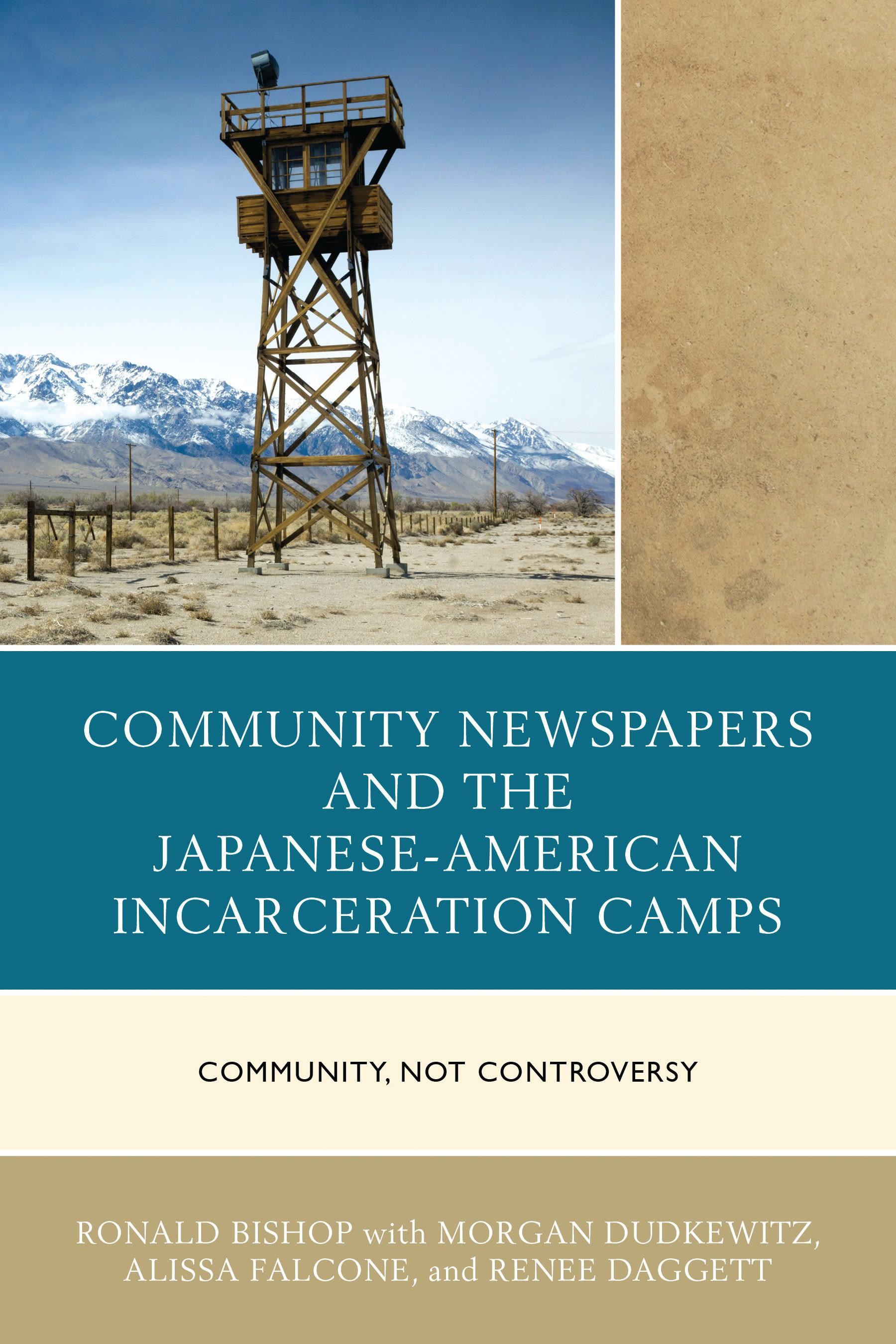
Though much has been said about Japanese-American incarceration camps, little attention is paid to the community newspapers closest to the camps and how they constructed the identities and lives of the occupants inside. Dependent on government and military officials for information, these journalists rarely wrote about the violation of the evacuees’ civil rights. Instead, they concentrated on the economic impact the camps—and the evacuees, who would replace workers off to enlist in the military and work for defense contractors—would have on the areas they covered. Newspapers like the Cody Enterprise and Powell Tribune in Wyoming, the Lamar Daily News, and the Casa Grande Dispatch regularly published overly optimistic updates on the progress of construction, the size of the contractor payrolls, and the amount of materials used to build the camps. Ronald Bishop and his coauthors reveal how journalists positioned the incarceration camps as a potential economic boon and how evacuees were framed as another community group, there to contribute to the region’s economic well-being. Community Newspapers and the Japanese-American Incarceration Camps examines the rhetoric and journalistic approach of the local papers and how they informed the communities just outside their walls. This book will appeal to scholars of history and journalism.
Betaal eenvoudig met kaart, Klarna, Apple Pay of Google Pay. Niet tevreden? Je hebt altijd 14 dagen bedenktijd. Lees meer in onze voorwaarden. Heb je vragen, mail ons dan via hello@memmo.org.
Memmo maakt studeren makkelijker – waar je ook bent ter wereld. Wij brengen je cursusboeken en slimme studietools samen op één plek: samenvattingen, quizzen, podcasts en flashcards. En Ted, je studievriend die antwoord geeft op alles wat je je afvraagt. Meer dan 50.000 studenten studeren hier al – gebouwd om je sneller te laten leren en minder stress te geven.