
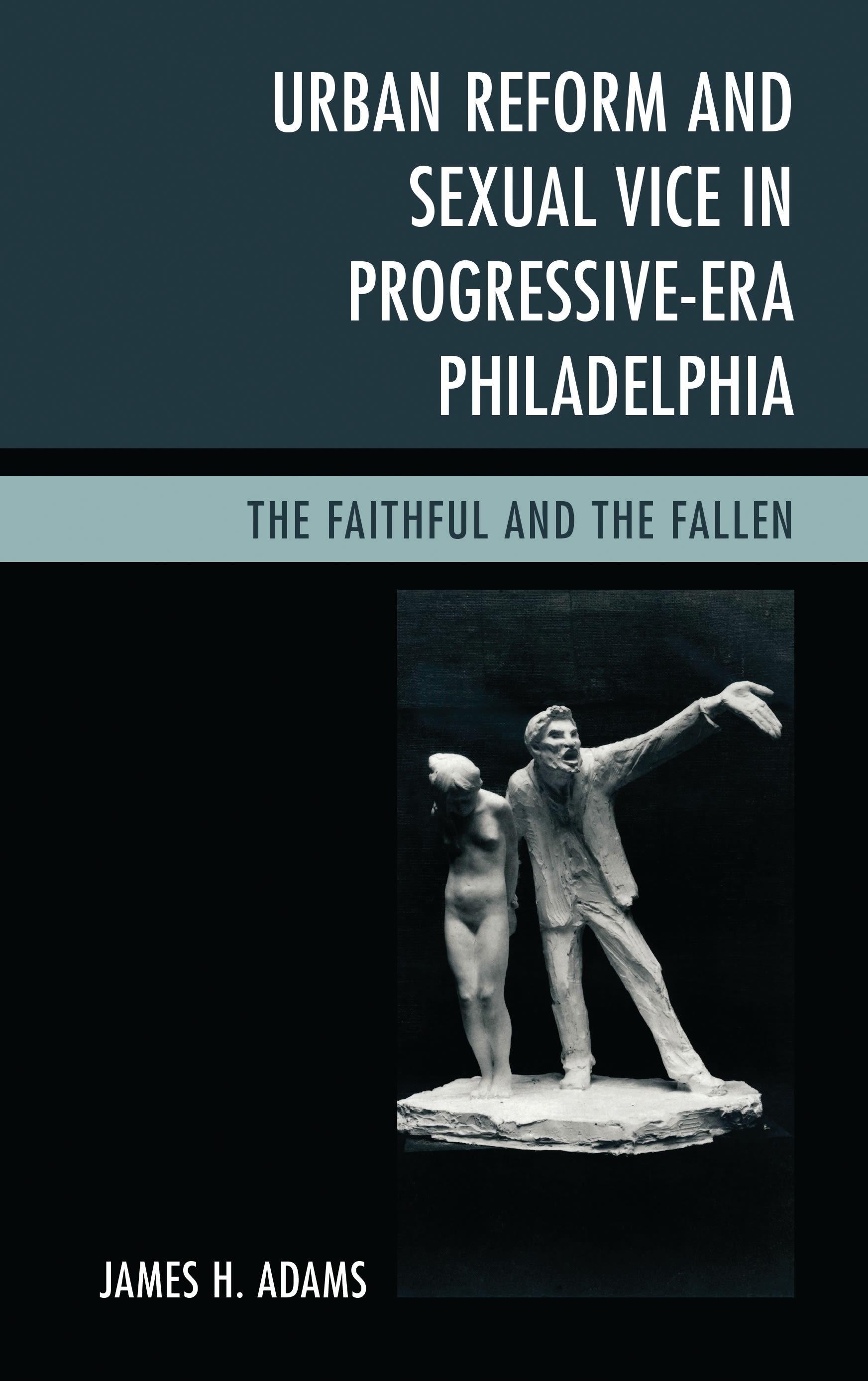
This book examines the intersection and interplay between Progressive-Era rhetoric regarding commercialized vice and the realities of prostitution in early-twentieth-century Philadelphia. Arguing that any study of commercial sexual vice in a historical context is difficult given the paucity of evidence, this work instead focuses on reformers’ construction of a cultural view of prostitution, which Adams argues was based more upon their perceptions of the trade than on reality itself. Looking at the urban core of the city, Progressive reformers saw vice, immorality, and decay—but as they frequently had little face-to-face interaction with prostitutes plying their trade, they were forced to construct culturally fueled archetypes to explain what they believed they saw. Ultimately, reformers in Philadelphia were battling against a rhetorical creation of their own design, and any study of anti-vice reform in the early twentieth century tells us more about the relationship between activists and the government than it does about vice itself.
Betaal eenvoudig met kaart, Klarna, Apple Pay of Google Pay. Niet tevreden? Je hebt altijd 14 dagen bedenktijd. Lees meer in onze voorwaarden. Heb je vragen, mail ons dan via hello@memmo.org.
Memmo maakt studeren makkelijker – waar je ook bent ter wereld. Wij brengen je cursusboeken en slimme studietools samen op één plek: samenvattingen, quizzen, podcasts en flashcards. En Ted, je studievriend die antwoord geeft op alles wat je je afvraagt. Meer dan 50.000 studenten studeren hier al – gebouwd om je sneller te laten leren en minder stress te geven.