
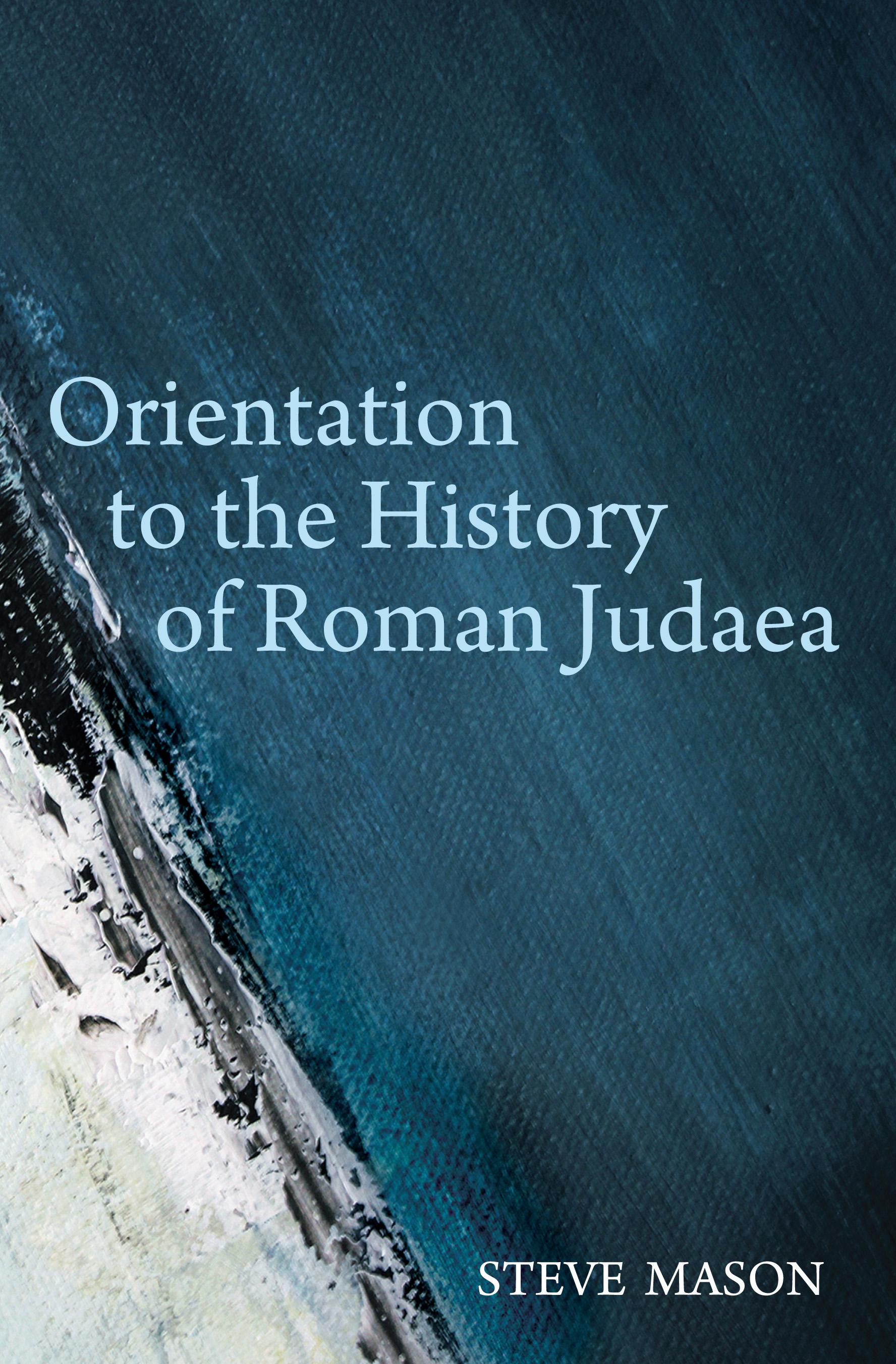
No field of study is livelier than the history of Roman-era Judaea (ca. 200 BC to AD 400). Bold reinterpretations of texts and new archaeological discoveries prompt us constantly to rethink assumptions. What kind of religion was Judaism? How did Jews--and Christians--relate to Roman imperial power? Should we speak of Judaism or Judaisms? How should the finds at Qumran affect our understanding? Did Paul and other early Christians remain within Judaism? Should we translate Ioudaioi as "Jews" or "Judaeans"?
These debates can leave students perplexed, this book argues, because the participants share only a topic. They are actually investigating different questions using disparate criteria. In the hope of facilitating communication and preparing advanced students, this book explores two basic but neglected problems: What does it mean to do history (if history is what we wish to do)? And how did the ancients understand and describe their world? It is not a history, then, but an orientation to the history of Roman Judaea.
Rather than trying to specify which questions are good ones or what one should think about them, the book offers new perspectives to help unleash the historical imagination while reckoning squarely with the nature of our evidence.
Betaal eenvoudig met kaart, Klarna, Apple Pay of Google Pay. Niet tevreden? Je hebt altijd 14 dagen bedenktijd. Lees meer in onze voorwaarden. Heb je vragen, mail ons dan via hello@memmo.org.
Memmo maakt studeren makkelijker – waar je ook bent ter wereld. Wij brengen je cursusboeken en slimme studietools samen op één plek: samenvattingen, quizzen, podcasts en flashcards. En Ted, je studievriend die antwoord geeft op alles wat je je afvraagt. Meer dan 50.000 studenten studeren hier al – gebouwd om je sneller te laten leren en minder stress te geven.
Misschien vind je dit ook leuk
Koop het boek0