
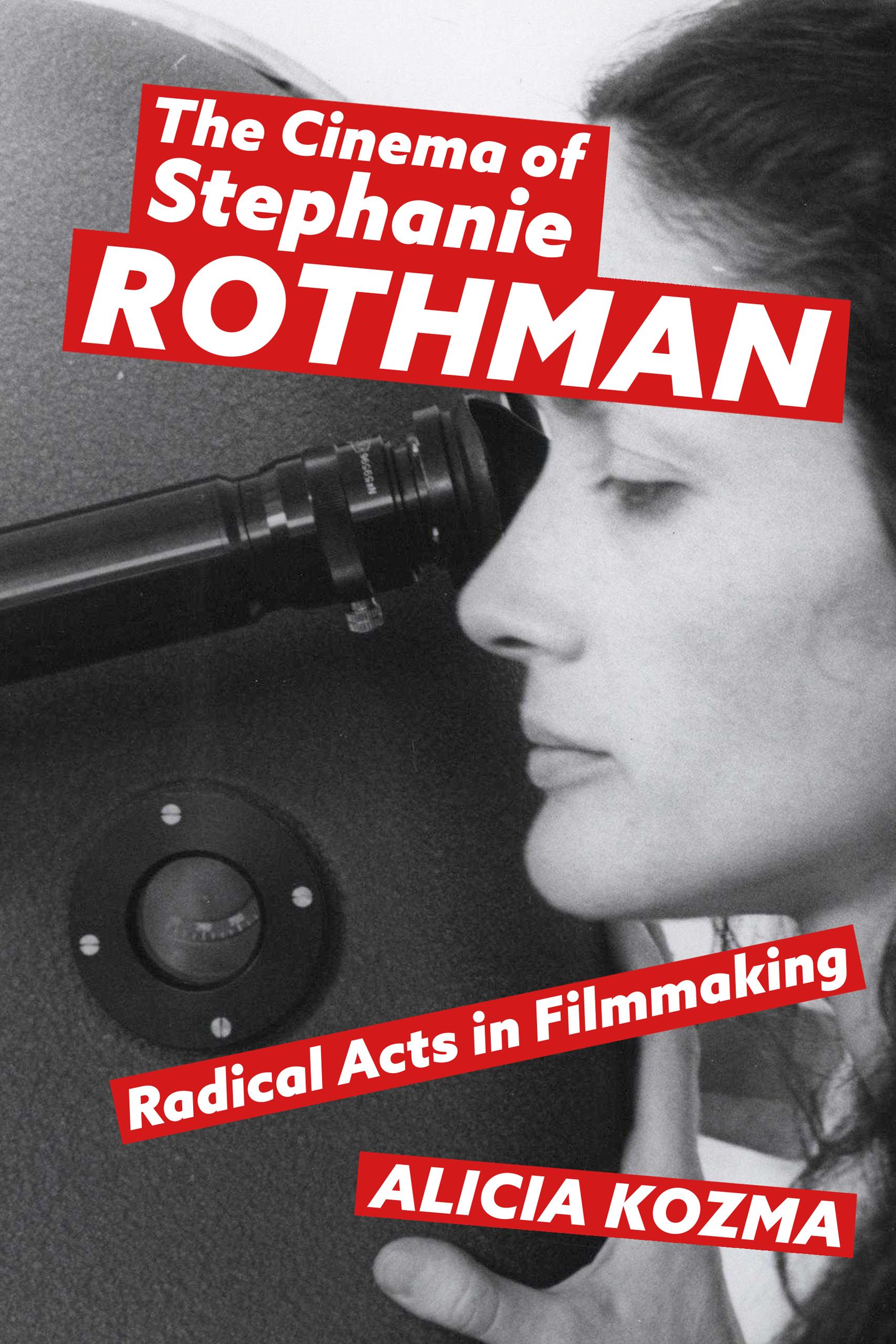
The rare woman director working in second-wave exploitation, Stephanie Rothman (b. 1936) directed seven successful feature films, served as the vice president of an independent film company, and was the first woman to win the Directors Guild of America’s student filmmaking prize. Despite these career accomplishments, Rothman retired into relative obscurity. In The Cinema of Stephanie Rothman: Radical Acts in Filmmaking, author Alicia Kozma uses Rothman’s career as an in-depth case study, intertwining historical, archival, industrial, and filmic analysis to grapple with the past, present, and future of women’s filmmaking labor in Hollywood.
Understanding second-wave exploitation filmmaking as a transitory space for the industrial development of contemporary Hollywood that also opened up opportunities for women practitioners, Kozma argues that understudied film production cycles provide untapped spaces for discovering women’s directorial work. The professional career and filmography of Rothman exemplify this claim. Rothman also serves as an apt example for connecting the structure of film histories to the persistent strictures of rhetorical language used to mark women filmmakers and their labor. Kozma traces these imbrications across historical archives.
Adopting a diverse methodological approach, The Cinema of Stephanie Rothman shines a needed spotlight on the problems and successes of the memorialization of women’s directorial labor, connecting historical and contemporary patterns of gendered labor disparity in the film industry. This book is simultaneously the first in-depth scholarly consideration of Rothman, the debut of the most substantive archival materials collected on Rothman, and a feminist political intervention into the construction of film histories.
Understanding second-wave exploitation filmmaking as a transitory space for the industrial development of contemporary Hollywood that also opened up opportunities for women practitioners, Kozma argues that understudied film production cycles provide untapped spaces for discovering women’s directorial work. The professional career and filmography of Rothman exemplify this claim. Rothman also serves as an apt example for connecting the structure of film histories to the persistent strictures of rhetorical language used to mark women filmmakers and their labor. Kozma traces these imbrications across historical archives.
Adopting a diverse methodological approach, The Cinema of Stephanie Rothman shines a needed spotlight on the problems and successes of the memorialization of women’s directorial labor, connecting historical and contemporary patterns of gendered labor disparity in the film industry. This book is simultaneously the first in-depth scholarly consideration of Rothman, the debut of the most substantive archival materials collected on Rothman, and a feminist political intervention into the construction of film histories.
Betaal eenvoudig met kaart, Klarna, Apple Pay of Google Pay. Niet tevreden? Je hebt altijd 14 dagen bedenktijd. Lees meer in onze voorwaarden. Heb je vragen, mail ons dan via hello@memmo.org.
Memmo maakt studeren makkelijker – waar je ook bent ter wereld. Wij brengen je cursusboeken en slimme studietools samen op één plek: samenvattingen, quizzen, podcasts en flashcards. En Ted, je studievriend die antwoord geeft op alles wat je je afvraagt. Meer dan 50.000 studenten studeren hier al – gebouwd om je sneller te laten leren en minder stress te geven.
Misschien vind je dit ook leuk
Koop het boek0