
2022 Association for Recorded Sound Collections Awards for Excellence—Certificate of Merit in the category of Best Historical Research in Recorded Rock and Popular Music
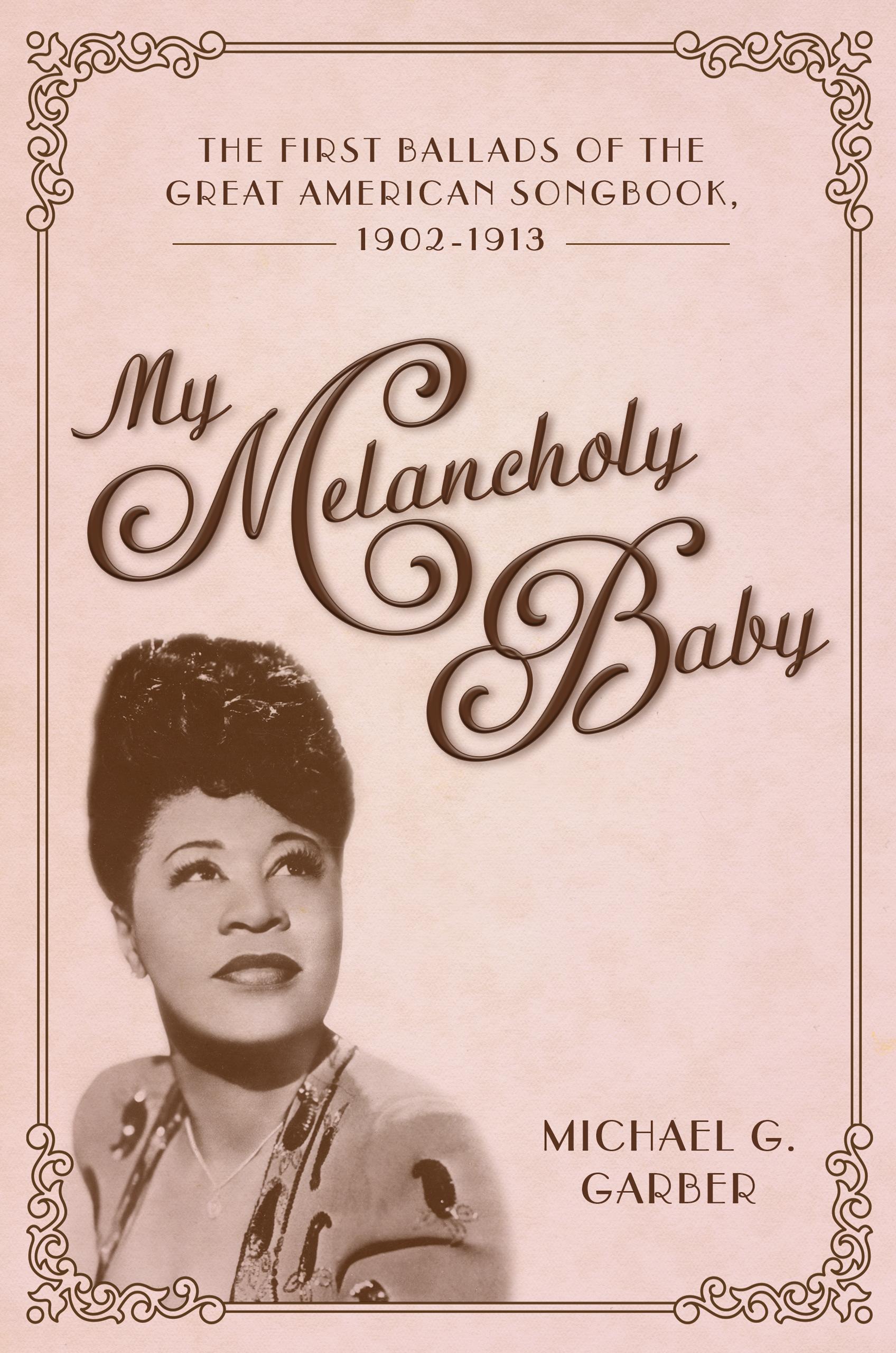
Ten songs, from “Bill Bailey, Won’t You Please Come Home” (1902) to “You Made Me Love You” (1913), ignited the development of the classic pop ballad. In this exploration of how the style of the Great American Songbook evolved, Michael G. Garber unveils the complicated, often-hidden origins of these enduring, pioneering works. He riffs on colorful stories that amplify the rising of an American folk art composed by innovators both famous and obscure. Songwriters, and also the publishers, arrangers, and performers, achieved together a collective genius that moved hearts worldwide to song.
These classic ballads originated all over the nation—Louisiana, Colorado, Illinois, Michigan—and then the Tin Pan Alley industry, centered in New York, made the tunes unforgettable sensations. From ragtime to bop, cabaret to radio, new styles of music and modes for its dissemination invented and reinvented the intimate, personal American love ballad, creating something both swinging and tender. Rendered by Frank Sinatra, Ella Fitzgerald, and a host of others, recordings and movies carried these songs across the globe.
Using previously underexamined sources, Garber demonstrates how these songs shaped the music industry and the lives of ordinary Americans. Besides covering famous composers like Irving Berlin, this history also introduces such little-known figures as Maybelle Watson, who had to sue to get credit and royalties for creating the central content of the lyric for “My Melancholy Baby.” African American Frank Williams contributed to the seminal “Some of These Days” but was forgotten for decades. The ten ballads explored here permanently transformed American popular song.
Ten songs, from “Bill Bailey, Won’t You Please Come Home” (1902) to “You Made Me Love You” (1913), ignited the development of the classic pop ballad. In this exploration of how the style of the Great American Songbook evolved, Michael G. Garber unveils the complicated, often-hidden origins of these enduring, pioneering works. He riffs on colorful stories that amplify the rising of an American folk art composed by innovators both famous and obscure. Songwriters, and also the publishers, arrangers, and performers, achieved together a collective genius that moved hearts worldwide to song.
These classic ballads originated all over the nation—Louisiana, Colorado, Illinois, Michigan—and then the Tin Pan Alley industry, centered in New York, made the tunes unforgettable sensations. From ragtime to bop, cabaret to radio, new styles of music and modes for its dissemination invented and reinvented the intimate, personal American love ballad, creating something both swinging and tender. Rendered by Frank Sinatra, Ella Fitzgerald, and a host of others, recordings and movies carried these songs across the globe.
Using previously underexamined sources, Garber demonstrates how these songs shaped the music industry and the lives of ordinary Americans. Besides covering famous composers like Irving Berlin, this history also introduces such little-known figures as Maybelle Watson, who had to sue to get credit and royalties for creating the central content of the lyric for “My Melancholy Baby.” African American Frank Williams contributed to the seminal “Some of These Days” but was forgotten for decades. The ten ballads explored here permanently transformed American popular song.
Betaal eenvoudig met kaart, Klarna, Apple Pay of Google Pay. Niet tevreden? Je hebt altijd 14 dagen bedenktijd. Lees meer in onze voorwaarden. Heb je vragen, mail ons dan via hello@memmo.org.
Memmo maakt studeren makkelijker – waar je ook bent ter wereld. Wij brengen je cursusboeken en slimme studietools samen op één plek: samenvattingen, quizzen, podcasts en flashcards. En Ted, je studievriend die antwoord geeft op alles wat je je afvraagt. Meer dan 50.000 studenten studeren hier al – gebouwd om je sneller te laten leren en minder stress te geven.
Misschien vind je dit ook leuk
Koop het boek0