
Contributions by Jacob Agner, Sharon Deykin Baris, Carolyn J. Brown, Lee Anne Bryan, Keith Cartwright, Stuart Christie, Mae Miller Claxton, Virginia Ottley Craighill, David A. Davis, Susan V. Donaldson, Julia Eichelberger, Kevin Eyster, Dolores Flores-Silva, Sarah Gilbreath Ford, Stephen M. Fuller, Dawn Gilchrist, Rebecca L. Harrison, Casey Kayser, Michael Kreyling, Ebony Lumumba, Suzanne Marrs, Pearl Amelia McHaney, David McWhirter, Laura Sloan Patterson, Harriet Pollack, Gary Richards, Christin Marie Taylor, Annette Trefzer, Alec Valentine, Adrienne Akins Warfield, Keri Watson, and Amy Weldon
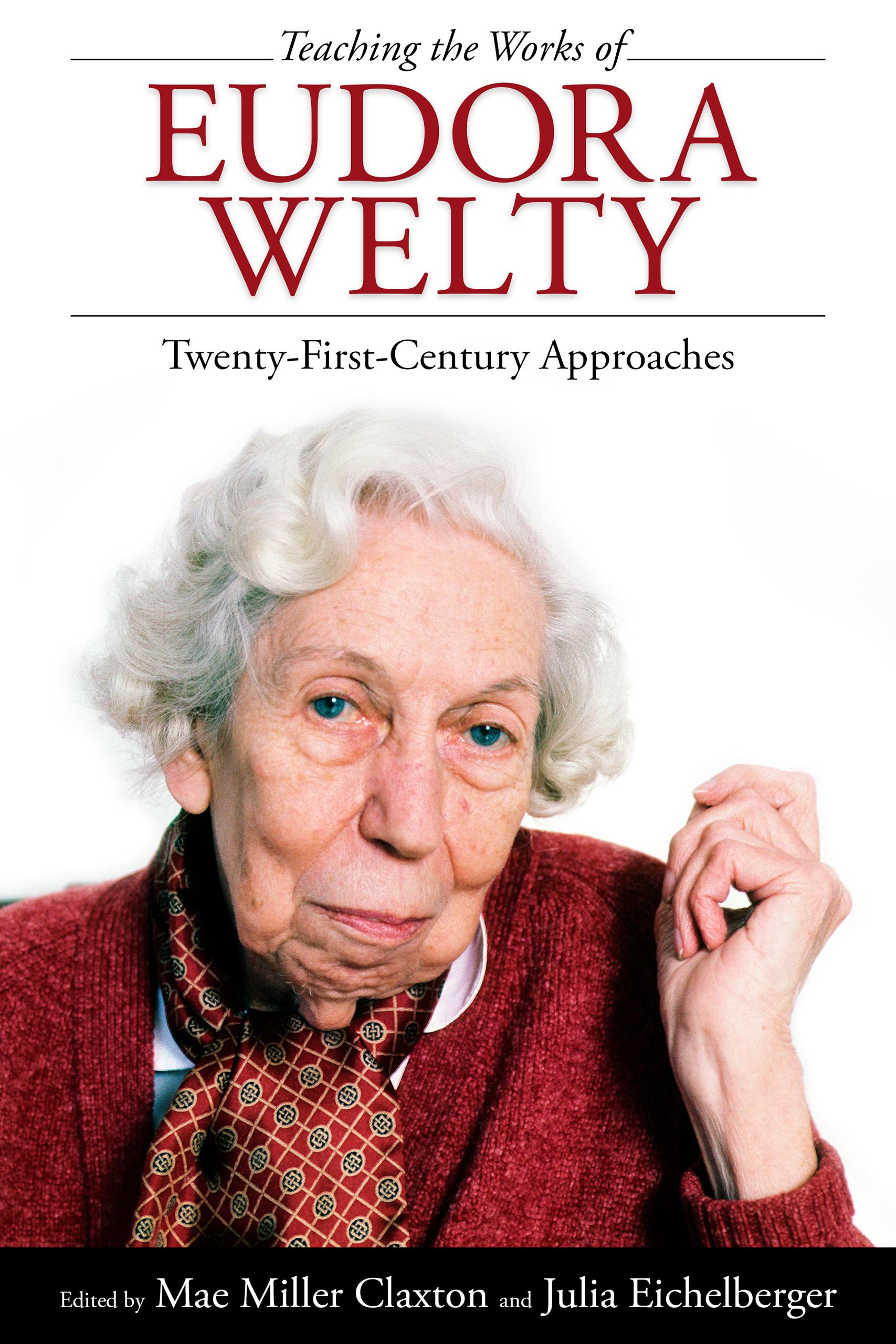
Too often Eudora Welty is known to the general public as Miss Welty, a "perfect lady" who wrote affectionate portraits of her home region. Yet recent scholarship has amply demonstrated a richer complexity. Welty was an innovative artist with cosmopolitan sensibilities and progressive politics, a woman who maintained close friendships with artists and intellectuals throughout the world, a writer as unafraid to experiment as she was to level her pen at the worst human foibles.
The essays collected in Teaching the Works of Eudora Welty seek to move Welty beyond a discussion of region and reflect new scholarship that remaps her work onto a larger canvas. The book offers ways to help twenty-first-century readers navigate Welty's challenging and intricate narratives. It provides answers to questions many teachers will have: Why should I study a writer who documents white privilege? Why should I give this "regional" writer space on an already crowded syllabus? Why should I teach Welty if I do not study the South? How can I help my students make sense of her modernist narratives? How can Welty's texts help me teach my students about literary theory, about gender and disability, about cultures and societies with which my students are unfamiliar?
Too often Eudora Welty is known to the general public as Miss Welty, a "perfect lady" who wrote affectionate portraits of her home region. Yet recent scholarship has amply demonstrated a richer complexity. Welty was an innovative artist with cosmopolitan sensibilities and progressive politics, a woman who maintained close friendships with artists and intellectuals throughout the world, a writer as unafraid to experiment as she was to level her pen at the worst human foibles.
The essays collected in Teaching the Works of Eudora Welty seek to move Welty beyond a discussion of region and reflect new scholarship that remaps her work onto a larger canvas. The book offers ways to help twenty-first-century readers navigate Welty's challenging and intricate narratives. It provides answers to questions many teachers will have: Why should I study a writer who documents white privilege? Why should I give this "regional" writer space on an already crowded syllabus? Why should I teach Welty if I do not study the South? How can I help my students make sense of her modernist narratives? How can Welty's texts help me teach my students about literary theory, about gender and disability, about cultures and societies with which my students are unfamiliar?
Betaal eenvoudig met kaart, Klarna, Apple Pay of Google Pay. Niet tevreden? Je hebt altijd 14 dagen bedenktijd. Lees meer in onze voorwaarden. Heb je vragen, mail ons dan via hello@memmo.org.
Memmo maakt studeren makkelijker – waar je ook bent ter wereld. Wij brengen je cursusboeken en slimme studietools samen op één plek: samenvattingen, quizzen, podcasts en flashcards. En Ted, je studievriend die antwoord geeft op alles wat je je afvraagt. Meer dan 50.000 studenten studeren hier al – gebouwd om je sneller te laten leren en minder stress te geven.
Misschien vind je dit ook leuk
Koop het boek0