
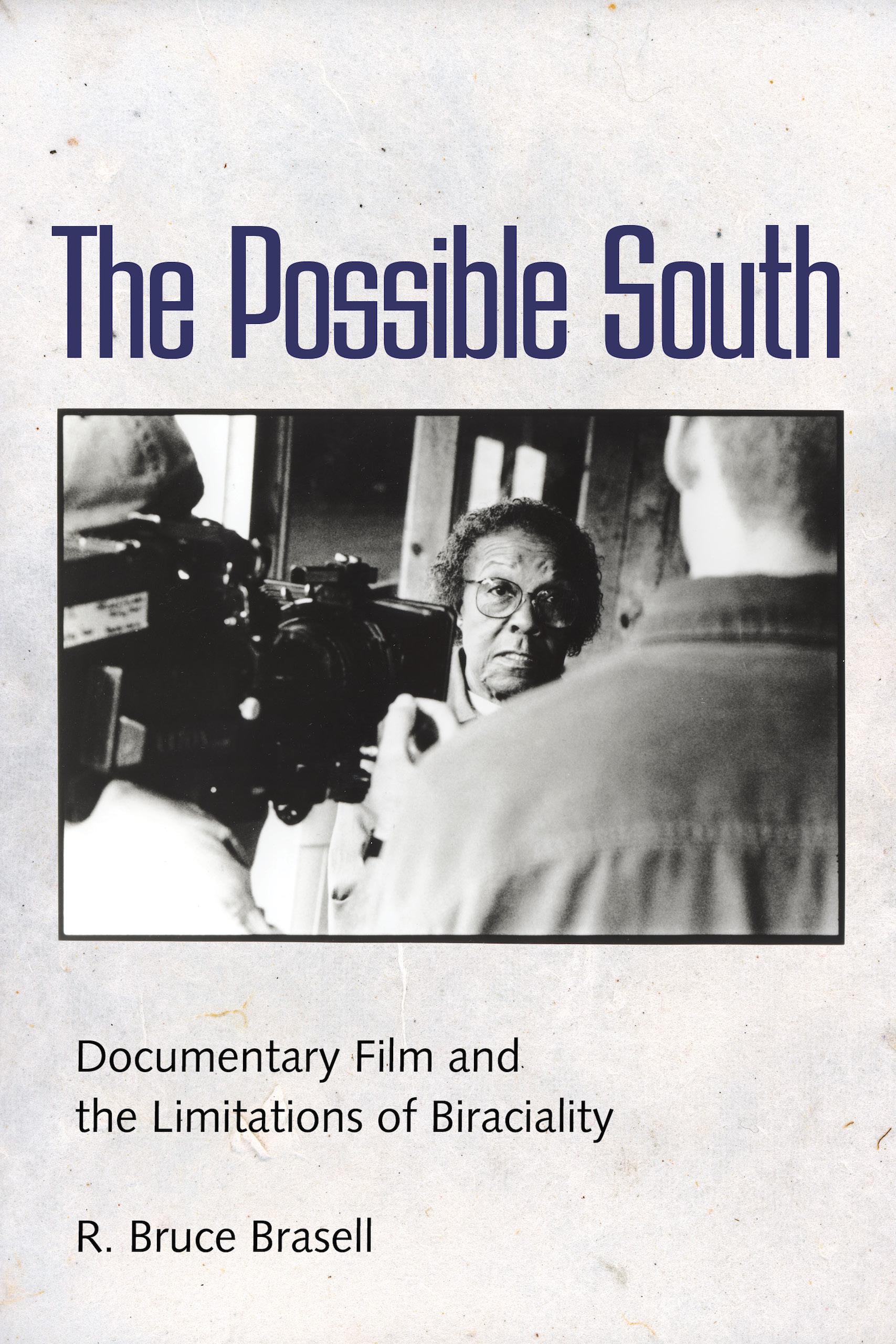
Using cultural theory, author R. Bruce Brasell investigates issues surrounding the discursive presentation of the American South as biracial and explores its manifestation in documentary films, including such works as Tell about the South, bro•ken/ground, and Family Name. After considering the emergence of the region’s biraciality through a consideration of the concepts of racial citizenry and racial performativity, Brasell examines two problems associated with this framework. First, the framework assumes racial purity, and, second, it assumes that two races exist. In other words, biraciality enacts two denials, first, the existence of miscegenation in the region and, second, the existence of other races and ethnicities.
Brasell considers bodily miscegenation, discussing the racial closet and the southeastern expatriate road film. Then he examines cultural miscegenation through the lens of racial poaching and 1970s southeastern documentaries that use redemptive ethnography. In the subsequent chapters, using specific documentary films, he considers the racial in-betweenness of Spanish-speaking ethnicities (Mosquitoes and High Water, Living in America, Nuestra Communidad), probes issues related to the process of racial negotiation experienced by Asian Americans as they seek a racial position beyond the black and white binary (Mississippi Triangle), and engages the problem of racial legitimacy confronted by federally nonrecognized Native groups as they attempt the same feat (Real Indian).
Brasell considers bodily miscegenation, discussing the racial closet and the southeastern expatriate road film. Then he examines cultural miscegenation through the lens of racial poaching and 1970s southeastern documentaries that use redemptive ethnography. In the subsequent chapters, using specific documentary films, he considers the racial in-betweenness of Spanish-speaking ethnicities (Mosquitoes and High Water, Living in America, Nuestra Communidad), probes issues related to the process of racial negotiation experienced by Asian Americans as they seek a racial position beyond the black and white binary (Mississippi Triangle), and engages the problem of racial legitimacy confronted by federally nonrecognized Native groups as they attempt the same feat (Real Indian).
Betaal eenvoudig met kaart, Klarna, Apple Pay of Google Pay. Niet tevreden? Je hebt altijd 14 dagen bedenktijd. Lees meer in onze voorwaarden. Heb je vragen, mail ons dan via hello@memmo.org.
Memmo maakt studeren makkelijker – waar je ook bent ter wereld. Wij brengen je cursusboeken en slimme studietools samen op één plek: samenvattingen, quizzen, podcasts en flashcards. En Ted, je studievriend die antwoord geeft op alles wat je je afvraagt. Meer dan 50.000 studenten studeren hier al – gebouwd om je sneller te laten leren en minder stress te geven.
Misschien vind je dit ook leuk
Koop het boek0