
This
is a hopeful but complicated era for those with ambitions to reform the
juvenile courts and youth-serving public institutions in the United States. As advocates plea for major reforms, many fear the public backlash in
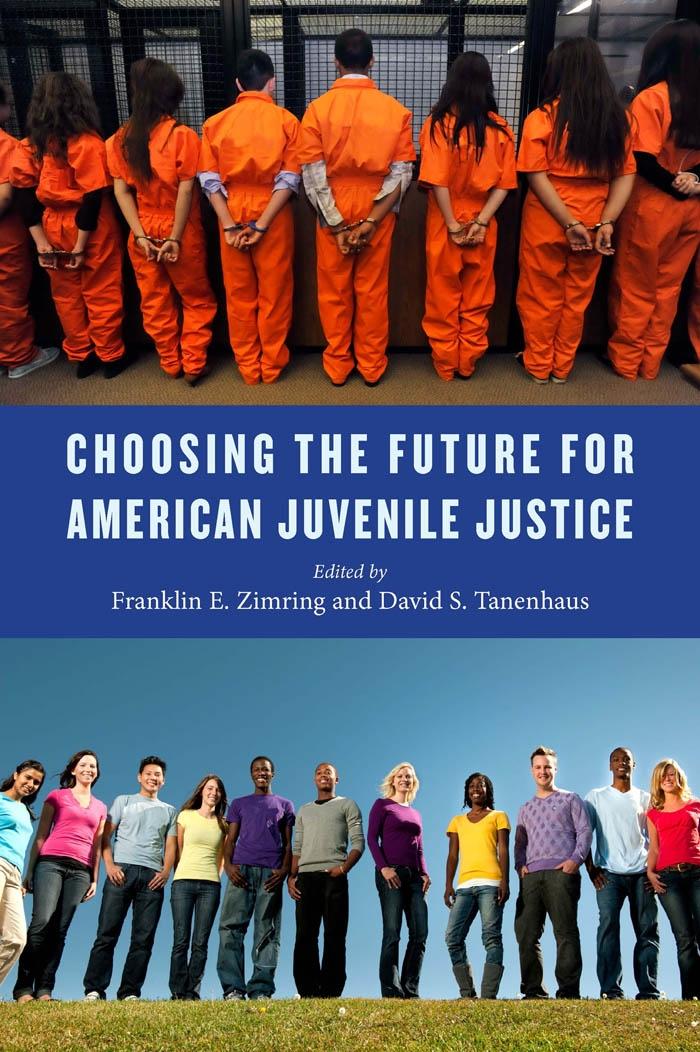
making dramatic changes. Choosing the Future for American Juvenile Justice
provides a look at the recent trends in juvenile justice as well as suggestions
for reforms and policy changes in the future. Should youth be treated as adults
when they break the law? How can youth be deterred from crime? What factors
should be considered in how youth are punished?What role should the police have in schools?
This essential volume, edited by two of the leading
scholars on juvenile justice, and with contributors who are among the key
experts on each issue, the volume focuses on the most pressing issues of the
day: the impact of neuroscience on our understanding of brain development and
subsequent sentencing, the relationship of schools and the police, the issue of
the school-to-prison pipeline, the impact of immigration, the privacy of juvenile records, and the need for national
policies—including registration requirements--for juvenile sex offenders. Choosing
the Future for American Juvenile Justice is not only a timely collection, based
on the most current research, but also a forward-thinking volume that
anticipates the needs for substantive and future changes in juvenile justice.
Betaal eenvoudig met kaart, Klarna, Apple Pay of Google Pay. Niet tevreden? Je hebt altijd 14 dagen bedenktijd. Lees meer in onze voorwaarden. Heb je vragen, mail ons dan via hello@memmo.org.
Memmo maakt studeren makkelijker – waar je ook bent ter wereld. Wij brengen je cursusboeken en slimme studietools samen op één plek: samenvattingen, quizzen, podcasts en flashcards. En Ted, je studievriend die antwoord geeft op alles wat je je afvraagt. Meer dan 50.000 studenten studeren hier al – gebouwd om je sneller te laten leren en minder stress te geven.