
The origins of a transnational adoption strategy that secured the future for Korean-black children
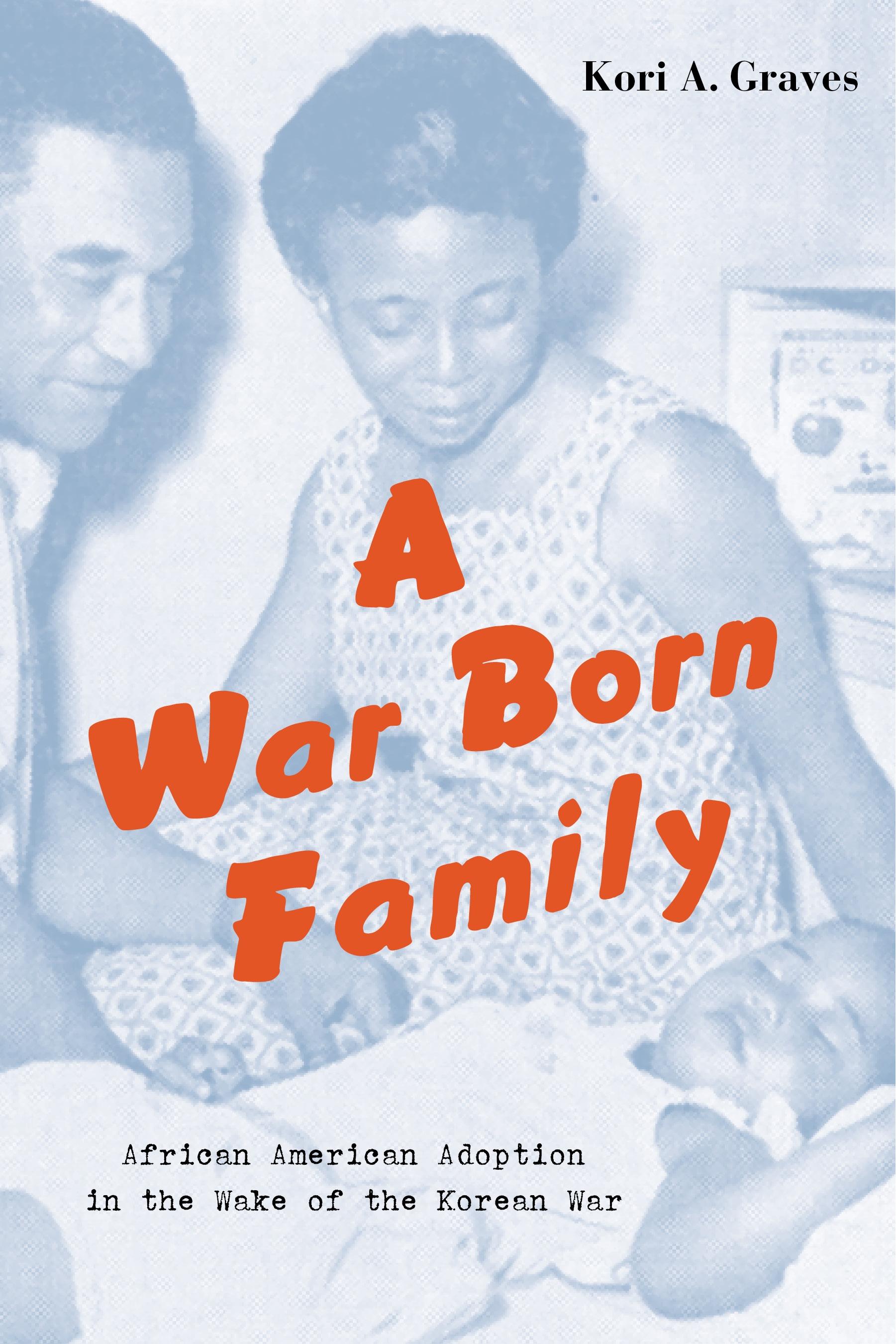
The Korean War left hundreds of thousands of children in dire circumstances, but the first large-scale transnational adoption efforts involved the children of American soldiers and Korean women. Korean laws and traditions stipulated that citizenship and status passed from father to child, which made the children of US soldiers legally stateless. Korean-black children faced additional hardships because of Korean beliefs about racial purity, and the segregation that structured African American soldiers’ lives in the military and throughout US society. The African American families who tried to adopt Korean-black children also faced and challenged discrimination in the child welfare agencies that arranged adoptions.
Drawing on extensive research in black newspapers and magazines, interviews with African American soldiers, and case notes about African American adoptive families, A War Born Family demonstrates how the Cold War and the struggle for civil rights led child welfare agencies to reevaluate African American men and women as suitable adoptive parents, advancing the cause of Korean transnational adoption.
Betaal eenvoudig met kaart, Klarna, Apple Pay of Google Pay. Niet tevreden? Je hebt altijd 14 dagen bedenktijd. Lees meer in onze voorwaarden. Heb je vragen, mail ons dan via hello@memmo.org.
Memmo maakt studeren makkelijker – waar je ook bent ter wereld. Wij brengen je cursusboeken en slimme studietools samen op één plek: samenvattingen, quizzen, podcasts en flashcards. En Ted, je studievriend die antwoord geeft op alles wat je je afvraagt. Meer dan 50.000 studenten studeren hier al – gebouwd om je sneller te laten leren en minder stress te geven.