
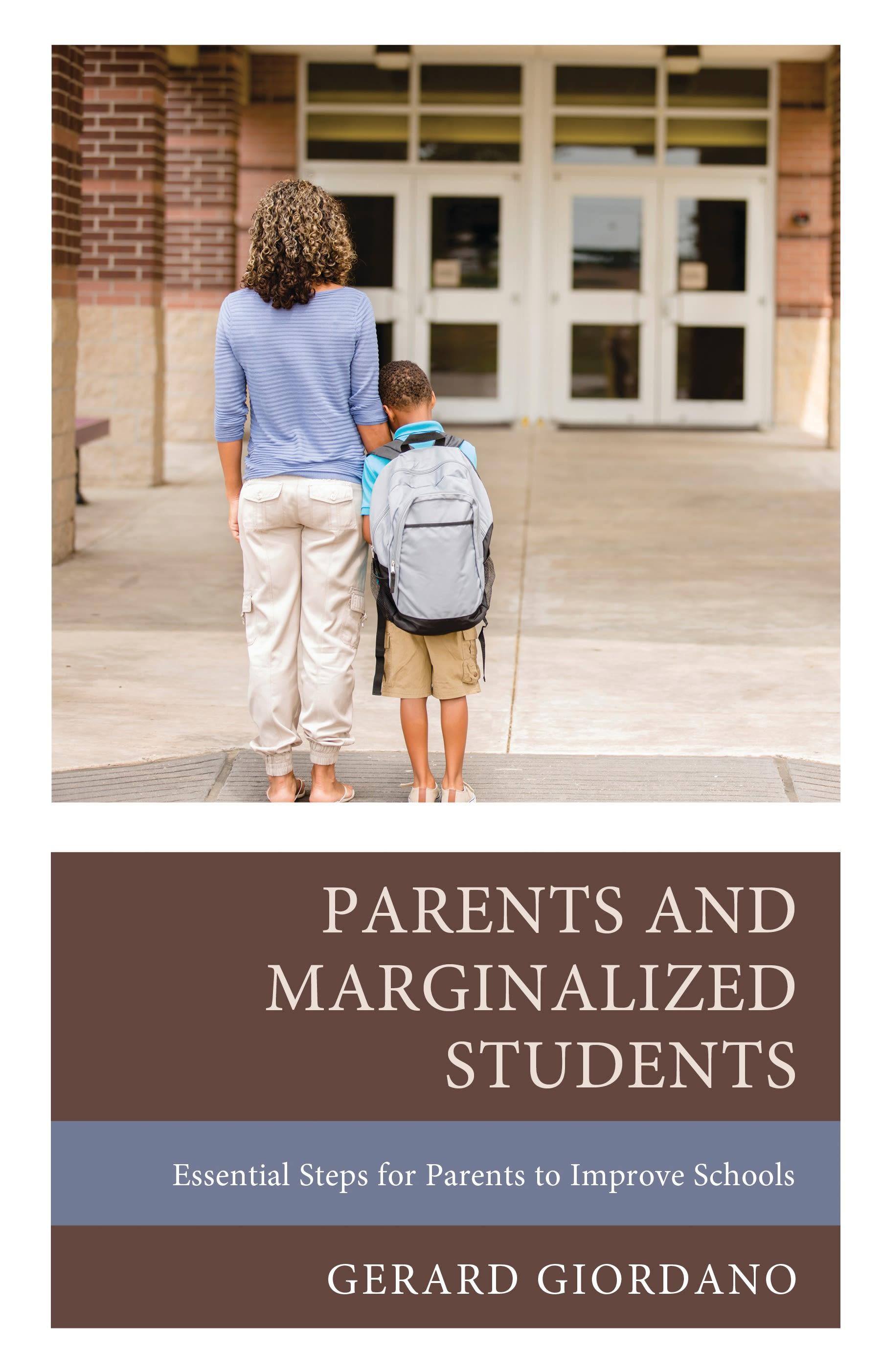
Parents worried that their children would be marginalized by their peers at school. They gave examples in which they were singled out because of their gender, race, ethnicity, sexual orientation, language, religion, or disabilities. They identified others who were picked out because of their family’s income, immigration status, association with the armed services, or attitudes towards medical issues. The parents were assured that changes were in the works to protect marginalized students. They reviewed changes to curricula, instruction, textbooks, disciplinary strategies, counseling techniques, tests, school-sponsored events, school terminology, athletic competitions, restroom policies, dress codes, disability policies, and extracurricular activities. Many parents had confidence in these changes. However, some were skeptical. The two groups argued with each other at local schoolboard meetings. They escalated their arguments after attracting the attention of journalists, scholars, and elected officials.
Betaal eenvoudig met kaart, Klarna, Apple Pay of Google Pay. Niet tevreden? Je hebt altijd 14 dagen bedenktijd. Lees meer in onze voorwaarden. Heb je vragen, mail ons dan via hello@memmo.org.
Memmo maakt studeren makkelijker – waar je ook bent ter wereld. Wij brengen je cursusboeken en slimme studietools samen op één plek: samenvattingen, quizzen, podcasts en flashcards. En Ted, je studievriend die antwoord geeft op alles wat je je afvraagt. Meer dan 50.000 studenten studeren hier al – gebouwd om je sneller te laten leren en minder stress te geven.