
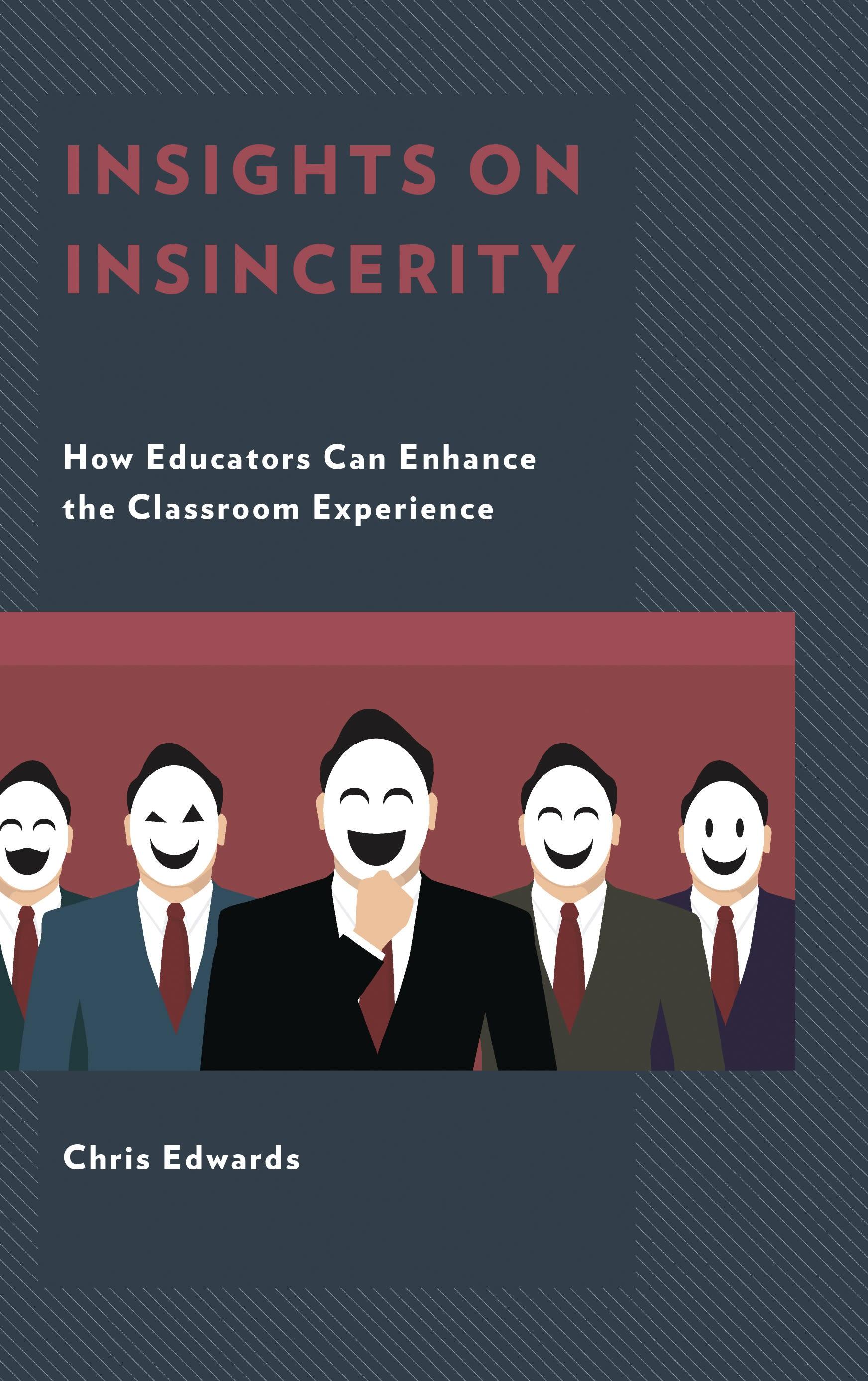
Erasmus praised folly and the Romantics waxed poetically about love, but no one until now has traced the history and impact of insincerity on society and the humanities. Insincerity arises when someone feels one way but acts another and an insincere situation looks to have one purpose but really hides another. Insincerity finds expression in four types of relationships: 1. From authority to the subordinate, 2. From the subordinate to authority, 3. Between equals 4. In society and in the self. Educators can discover how highlight insincerity in literature, history, psychology, sociology, politics, and popular culture. All readers can learn how to identify insincerity in their everyday relationships. Was that meeting at work really about conveying information and soliciting responses, or was it really about reinforcing the corporate hierarchy? When Galileo apologized to the Inquisition for positing a “solar” system, did he bring an end to an era of great religious sincerity? What did George Orwell get so wrong about insincerity in 1984? Most importantly, readers can find out what they should do when they you encounter that modern phrase that manifests insincerity: Thanks so much for your feedback.
Pagina's: 128
Categorie: Psykologi
e-ISBN: 9781475841732
Verzendgewicht: 1.2 kg
Verzending binnen: 1-2 dagen
Betaal eenvoudig met kaart, Klarna, Apple Pay of Google Pay. Niet tevreden? Je hebt altijd 14 dagen bedenktijd. Lees meer in onze voorwaarden. Heb je vragen, mail ons dan via hello@memmo.org.
Memmo maakt studeren makkelijker – waar je ook bent ter wereld. Wij brengen je cursusboeken en slimme studietools samen op één plek: samenvattingen, quizzen, podcasts en flashcards. En Ted, je studievriend die antwoord geeft op alles wat je je afvraagt. Meer dan 50.000 studenten studeren hier al – gebouwd om je sneller te laten leren en minder stress te geven.