
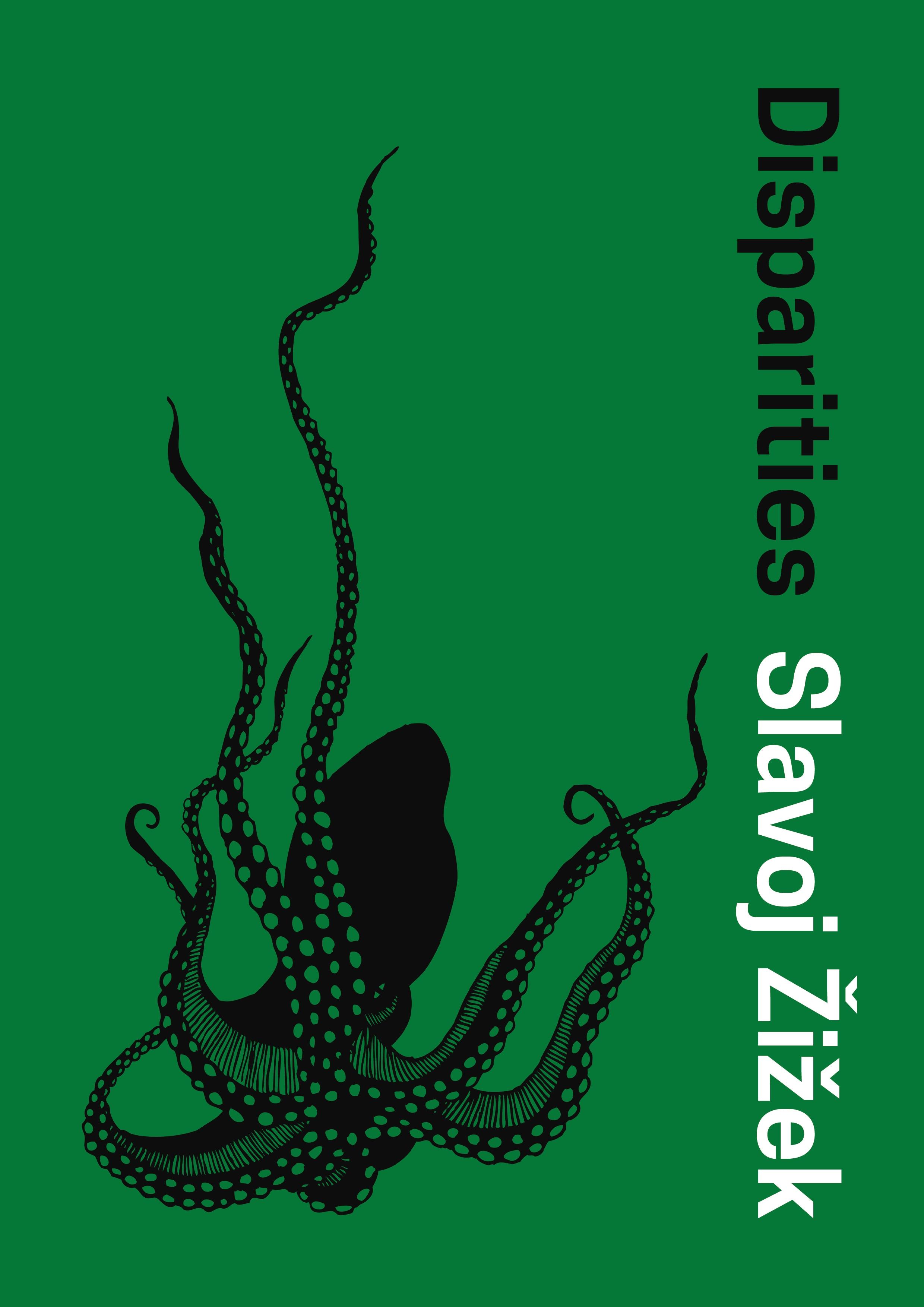
The concept of disparity has long been a topic of obsession and argument for philosophers but Slavoj Žižek would argue that what disparity and negativity could mean, might mean and should mean for us and our lives has never been more hotly debated.
Disparities explores contemporary 'negative' philosophies from Catherine Malabou's plasticity, Julia Kristeva's abjection and Robert Pippin's self-consciousness to the God of negative theology, new realisms and post-humanism and draws a radical line under them. Instead of establishing a dialogue with these other ideas of disparity, Slavoj Žižek wants to establish a definite departure, a totally different idea of disparity based on an imaginative dialectical materialism. This notion of rupturing what has gone before is based on a provocative reading of how philosophers can, if they're honest, engage with each other. Slavoj Žižek borrows Alain Badiou's notion that a true idea is the one that divides. Radically departing from previous formulations of negativity and disparity, Žižek employs a new kind of negativity: namely positing that when a philosopher deals with another philosopher, his or her stance is never one of dialogue, but one of division, of drawing a line that separates truth from falsity.
Disparities explores contemporary 'negative' philosophies from Catherine Malabou's plasticity, Julia Kristeva's abjection and Robert Pippin's self-consciousness to the God of negative theology, new realisms and post-humanism and draws a radical line under them. Instead of establishing a dialogue with these other ideas of disparity, Slavoj Žižek wants to establish a definite departure, a totally different idea of disparity based on an imaginative dialectical materialism. This notion of rupturing what has gone before is based on a provocative reading of how philosophers can, if they're honest, engage with each other. Slavoj Žižek borrows Alain Badiou's notion that a true idea is the one that divides. Radically departing from previous formulations of negativity and disparity, Žižek employs a new kind of negativity: namely positing that when a philosopher deals with another philosopher, his or her stance is never one of dialogue, but one of division, of drawing a line that separates truth from falsity.
Pagina's: 456
Categorie: Filosofi
e-ISBN: 9781474272728
Verzendgewicht: 1.2 kg
Verzending binnen: 1-2 dagen
Betaal eenvoudig met kaart, Klarna, Apple Pay of Google Pay. Niet tevreden? Je hebt altijd 14 dagen bedenktijd. Lees meer in onze voorwaarden. Heb je vragen, mail ons dan via hello@memmo.org.
Memmo maakt studeren makkelijker – waar je ook bent ter wereld. Wij brengen je cursusboeken en slimme studietools samen op één plek: samenvattingen, quizzen, podcasts en flashcards. En Ted, je studievriend die antwoord geeft op alles wat je je afvraagt. Meer dan 50.000 studenten studeren hier al – gebouwd om je sneller te laten leren en minder stress te geven.