
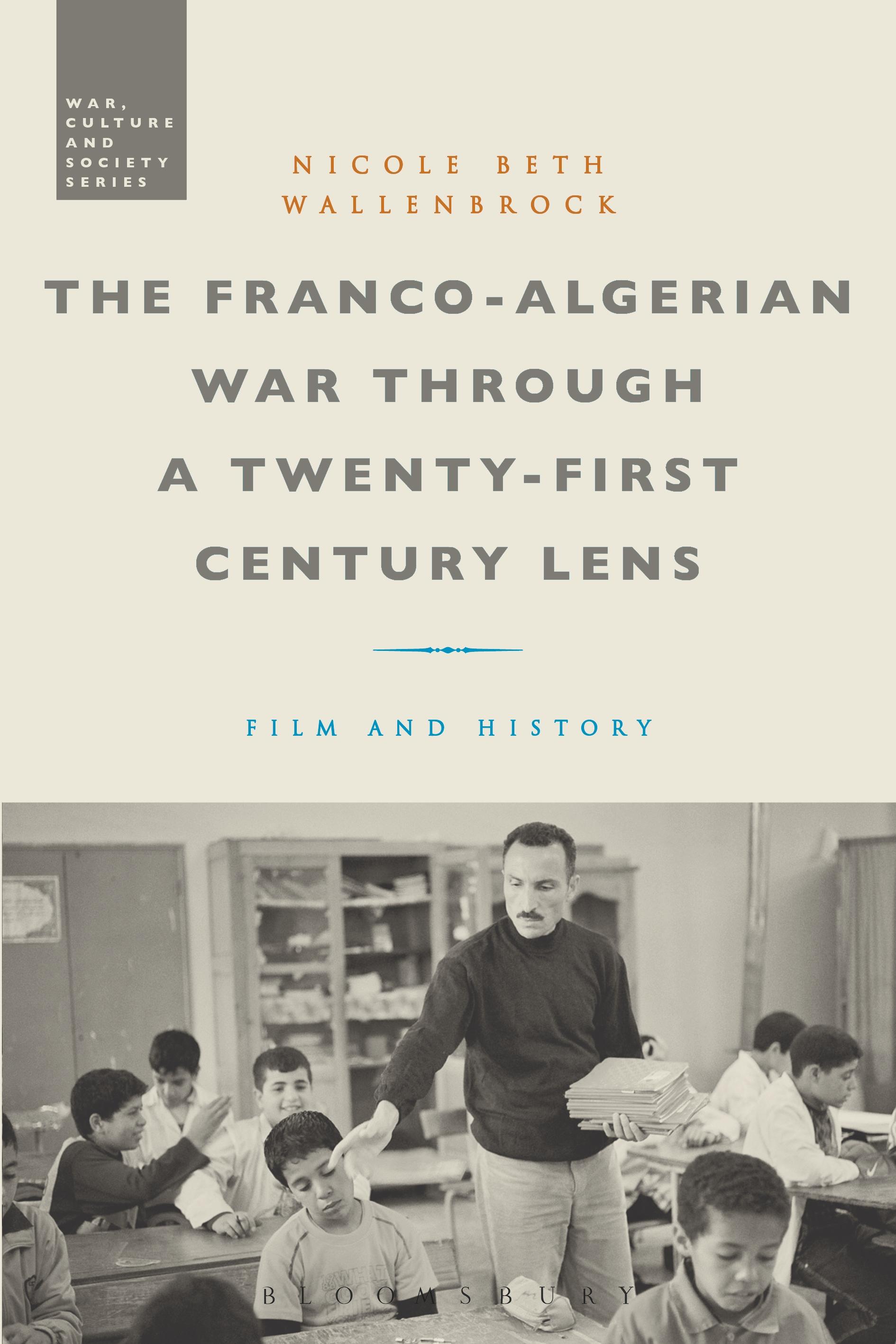
The Franco-Algerian War (1954–62) remains a powerful international symbol of Third Worldism and the finality of Empire. Through its nuanced analysis of the war's depiction in film, The Franco-Algerian War through a Twenty-First Century Lens locates an international reckoning with history that both condemns and exonerates past generations.
Algerian and French production partnerships-such as Hors-la-loi, (Outside the Law, Rachid Bouchareb, 2010) and Loubia Hamra (Bloody Beans, Narimane Mari, 2013)-are one of several ways citizens collaborate to unearth a shared history and its legacy. Nicole Beth Wallenbrock probes cinematic discourse to shed new light on topics including: the media revelation of torture and atomic bomb tests; immigration's role in the evolution of the war's meaning; and the complex relationship of the intertwined film cultures. The first chapter summarizes the Franco-Algerian War in 20th-century film, thus grounding subsequent queries with Algeria's moudjahid or freedom-fighter films and the French new wave's perceived disinterest in the conflict.
This book is an invaluable resource for scholars seeking to understand cinema's role in re-evaluating war and reconstructing international memory.
Algerian and French production partnerships-such as Hors-la-loi, (Outside the Law, Rachid Bouchareb, 2010) and Loubia Hamra (Bloody Beans, Narimane Mari, 2013)-are one of several ways citizens collaborate to unearth a shared history and its legacy. Nicole Beth Wallenbrock probes cinematic discourse to shed new light on topics including: the media revelation of torture and atomic bomb tests; immigration's role in the evolution of the war's meaning; and the complex relationship of the intertwined film cultures. The first chapter summarizes the Franco-Algerian War in 20th-century film, thus grounding subsequent queries with Algeria's moudjahid or freedom-fighter films and the French new wave's perceived disinterest in the conflict.
This book is an invaluable resource for scholars seeking to understand cinema's role in re-evaluating war and reconstructing international memory.
Betaal eenvoudig met kaart, Klarna, Apple Pay of Google Pay. Niet tevreden? Je hebt altijd 14 dagen bedenktijd. Lees meer in onze voorwaarden. Heb je vragen, mail ons dan via hello@memmo.org.
Memmo maakt studeren makkelijker – waar je ook bent ter wereld. Wij brengen je cursusboeken en slimme studietools samen op één plek: samenvattingen, quizzen, podcasts en flashcards. En Ted, je studievriend die antwoord geeft op alles wat je je afvraagt. Meer dan 50.000 studenten studeren hier al – gebouwd om je sneller te laten leren en minder stress te geven.