
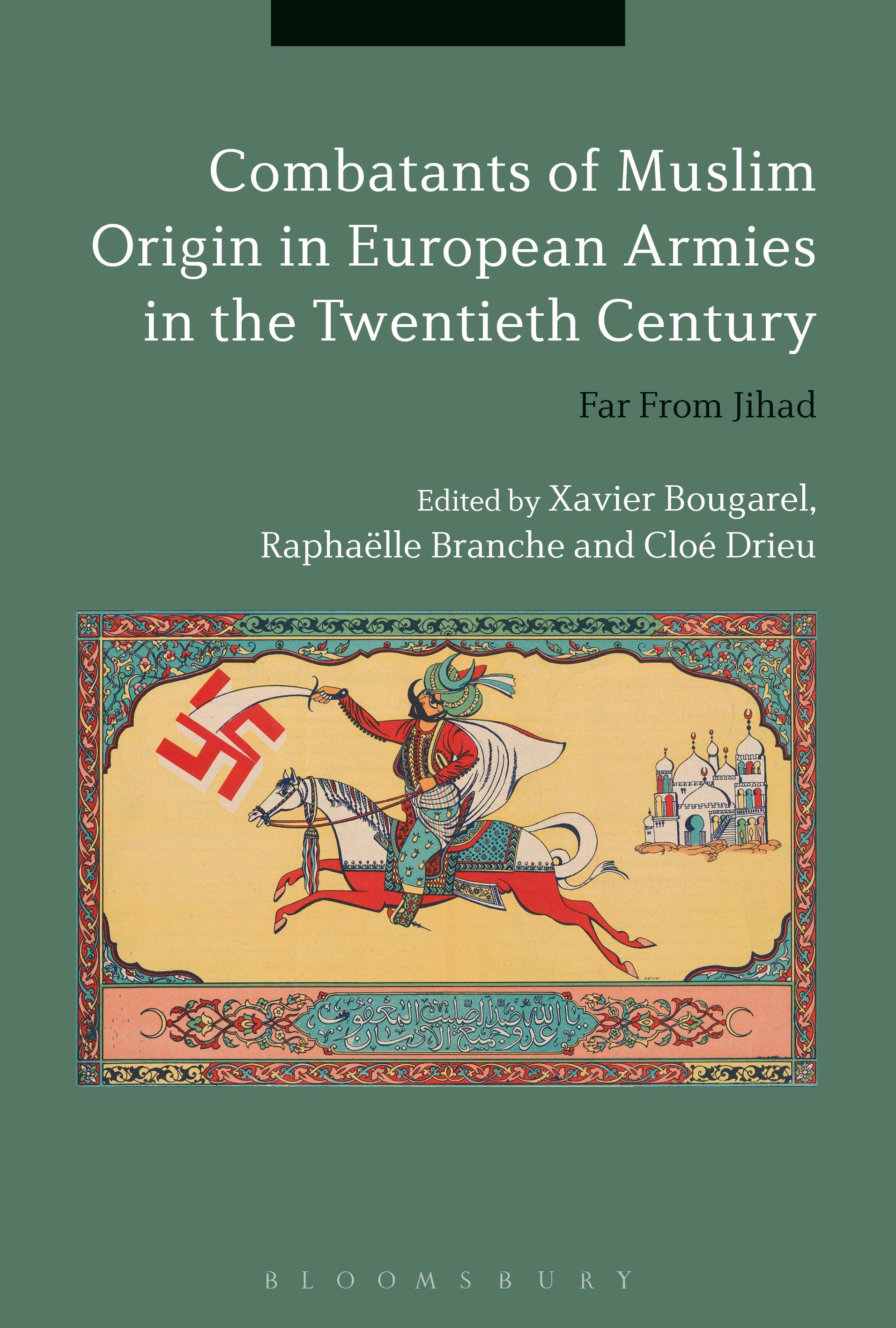
During the two World Wars that marked the 20th century, hundreds of thousands of non-European combatants fought in the ranks of various European armies. The majority of these soldiers were Muslims from North Africa, Sub-Saharan Africa, Central Asia, or the Indian Subcontinent.
How are these combatants considered in existing historiography? Over the past few decades, research on war has experienced a wide-reaching renewal, with increased emphasis on the social and cultural dimensions of war, and a desire to reconstruct the experience and viewpoint of the combatants themselves. This volume reintroduces the question of religious belonging and practice into the study of Muslim combatants in European armies in the 20th century, focusing on the combatants' viewpoint alongside that of the administrations and military hierarchy.
How are these combatants considered in existing historiography? Over the past few decades, research on war has experienced a wide-reaching renewal, with increased emphasis on the social and cultural dimensions of war, and a desire to reconstruct the experience and viewpoint of the combatants themselves. This volume reintroduces the question of religious belonging and practice into the study of Muslim combatants in European armies in the 20th century, focusing on the combatants' viewpoint alongside that of the administrations and military hierarchy.
Betaal eenvoudig met kaart, Klarna, Apple Pay of Google Pay. Niet tevreden? Je hebt altijd 14 dagen bedenktijd. Lees meer in onze voorwaarden. Heb je vragen, mail ons dan via hello@memmo.org.
Memmo maakt studeren makkelijker – waar je ook bent ter wereld. Wij brengen je cursusboeken en slimme studietools samen op één plek: samenvattingen, quizzen, podcasts en flashcards. En Ted, je studievriend die antwoord geeft op alles wat je je afvraagt. Meer dan 50.000 studenten studeren hier al – gebouwd om je sneller te laten leren en minder stress te geven.