
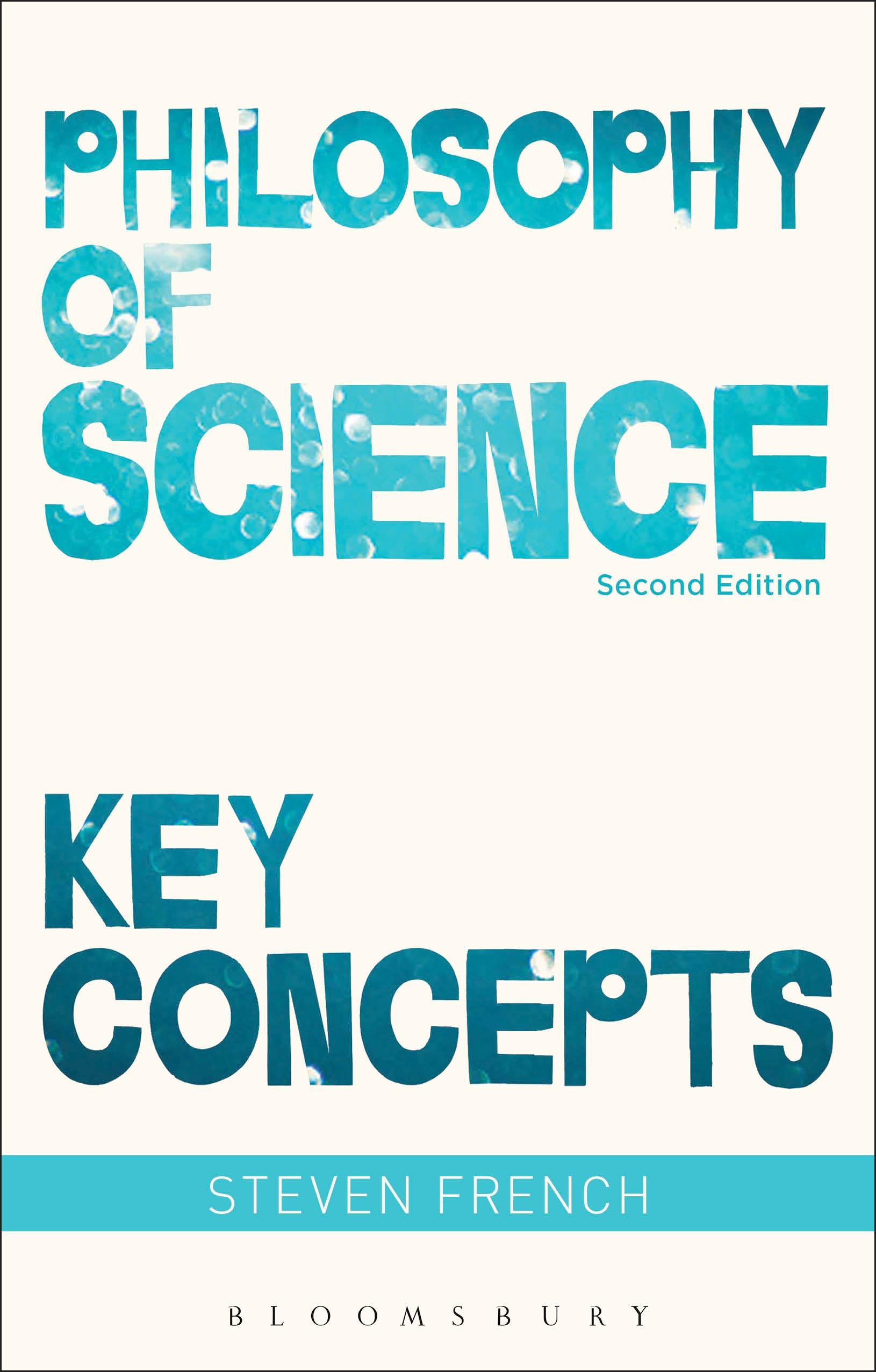
Science has made a huge impact on human society over hundred years, but how does it work? How do scientists do the things they do? How do they come up with the theories? How do they test them? How do they use these theories to explain phenomena? How do they draw conclusions from them about how the world might be?
Now updated, this second edition of Philosophy of Science: Key Concepts looks at each of these questions and more. Taking in turn the fundamental theories, processes and views lying at the heart of the philosophy of science, this engaging introduction illuminates the scientific practice and provides a better appreciation of how science actually works. It features:
- Chapters on discovery, evidence, verification and falsification, realism and objectivity
- Accessible overviews of work of key thinkers such as Galileo, Einstein and Mullis
- A new chapter on explanation
- An extended range of easy-to-follow and contemporary examples to help explain more technical ideas
- Study exercises, an annotated bibliography and suggestions of Where to Go Next
Succinct and approachable, Philosophy of Science: Key Concepts outlines some of the most central and important scientific questions, problems and arguments without assuming prior knowledge of philosophy. This enjoyable introduction is the perfect starting point for anyone looking to understand how and why science has shaped and changed our view of the world.
Now updated, this second edition of Philosophy of Science: Key Concepts looks at each of these questions and more. Taking in turn the fundamental theories, processes and views lying at the heart of the philosophy of science, this engaging introduction illuminates the scientific practice and provides a better appreciation of how science actually works. It features:
- Chapters on discovery, evidence, verification and falsification, realism and objectivity
- Accessible overviews of work of key thinkers such as Galileo, Einstein and Mullis
- A new chapter on explanation
- An extended range of easy-to-follow and contemporary examples to help explain more technical ideas
- Study exercises, an annotated bibliography and suggestions of Where to Go Next
Succinct and approachable, Philosophy of Science: Key Concepts outlines some of the most central and important scientific questions, problems and arguments without assuming prior knowledge of philosophy. This enjoyable introduction is the perfect starting point for anyone looking to understand how and why science has shaped and changed our view of the world.
Betaal eenvoudig met kaart, Klarna, Apple Pay of Google Pay. Niet tevreden? Je hebt altijd 14 dagen bedenktijd. Lees meer in onze voorwaarden. Heb je vragen, mail ons dan via hello@memmo.org.
Memmo maakt studeren makkelijker – waar je ook bent ter wereld. Wij brengen je cursusboeken en slimme studietools samen op één plek: samenvattingen, quizzen, podcasts en flashcards. En Ted, je studievriend die antwoord geeft op alles wat je je afvraagt. Meer dan 50.000 studenten studeren hier al – gebouwd om je sneller te laten leren en minder stress te geven.