
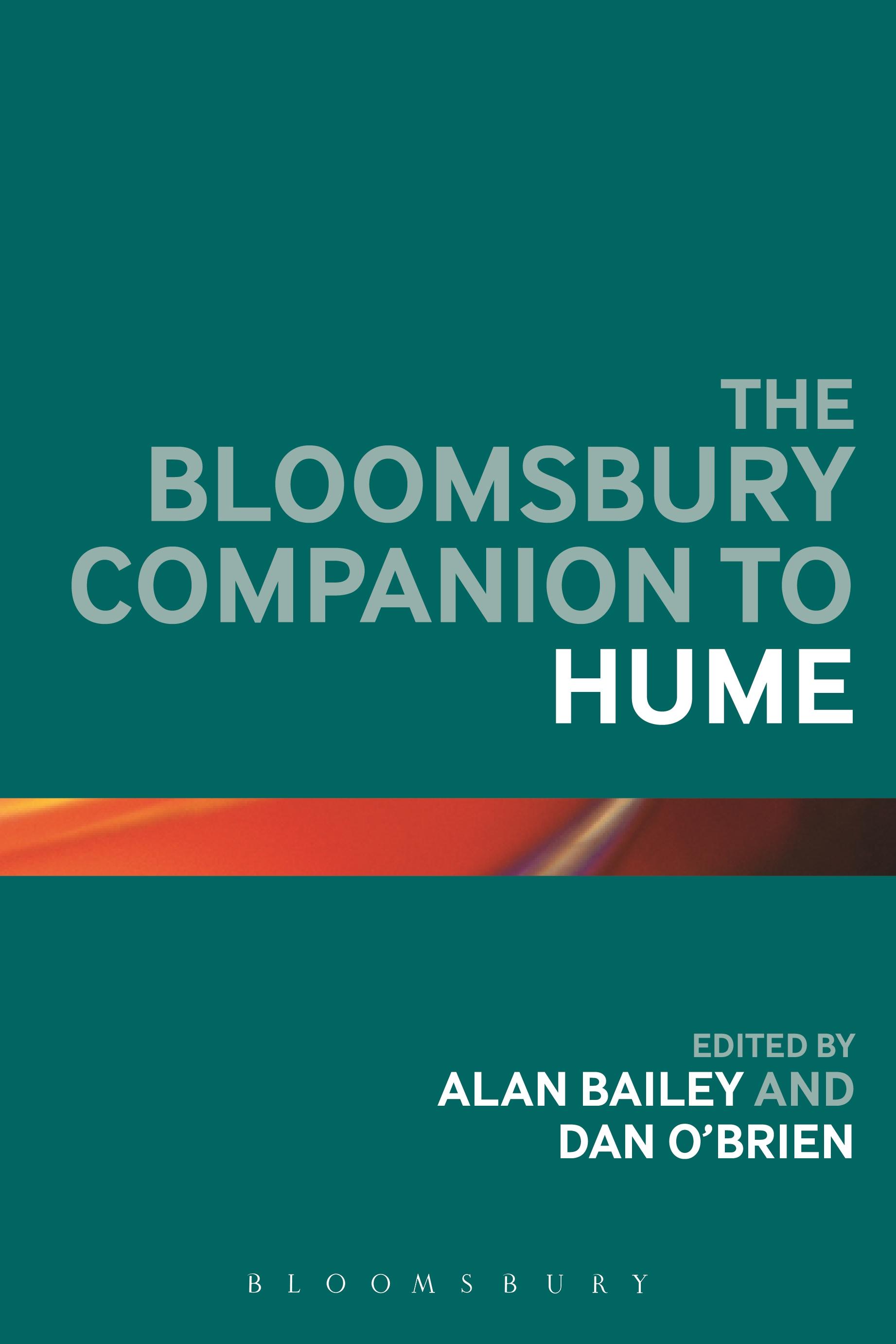
David Hume (1711-1776), philosopher, historian, and essayist, is widely considered to be Britain's greatest philosopher. One of the leading intellectual figures of the Scottish Enlightenment, his major works and central ideas, especially his radical empiricism and his critique of the pretensions of philosophical rationalism, remain hugely influential on contemporary philosophers. This comprehensive and accessible guide to Hume's life and work includes 21 specially commissioned essays, written by a team of leading experts, covering every aspect of Hume's thought. The Companion presents details of Hume's life, historical and philosophical context, providing students with a comprehensive overview of all the key themes and topics apparent in his work, including his accounts of causal reasoning, scepticism, the soul and the self, action, reason, free will, miracles, natural religion, politics, human nature, women, economics and history, and an account of his reception and enduring influence. This textbook is indispensable to anyone studying in the areas of Hume Studies, British, and eighteenth-century philosophy.
Betaal eenvoudig met kaart, Klarna, Apple Pay of Google Pay. Niet tevreden? Je hebt altijd 14 dagen bedenktijd. Lees meer in onze voorwaarden. Heb je vragen, mail ons dan via hello@memmo.org.
Memmo maakt studeren makkelijker – waar je ook bent ter wereld. Wij brengen je cursusboeken en slimme studietools samen op één plek: samenvattingen, quizzen, podcasts en flashcards. En Ted, je studievriend die antwoord geeft op alles wat je je afvraagt. Meer dan 50.000 studenten studeren hier al – gebouwd om je sneller te laten leren en minder stress te geven.