
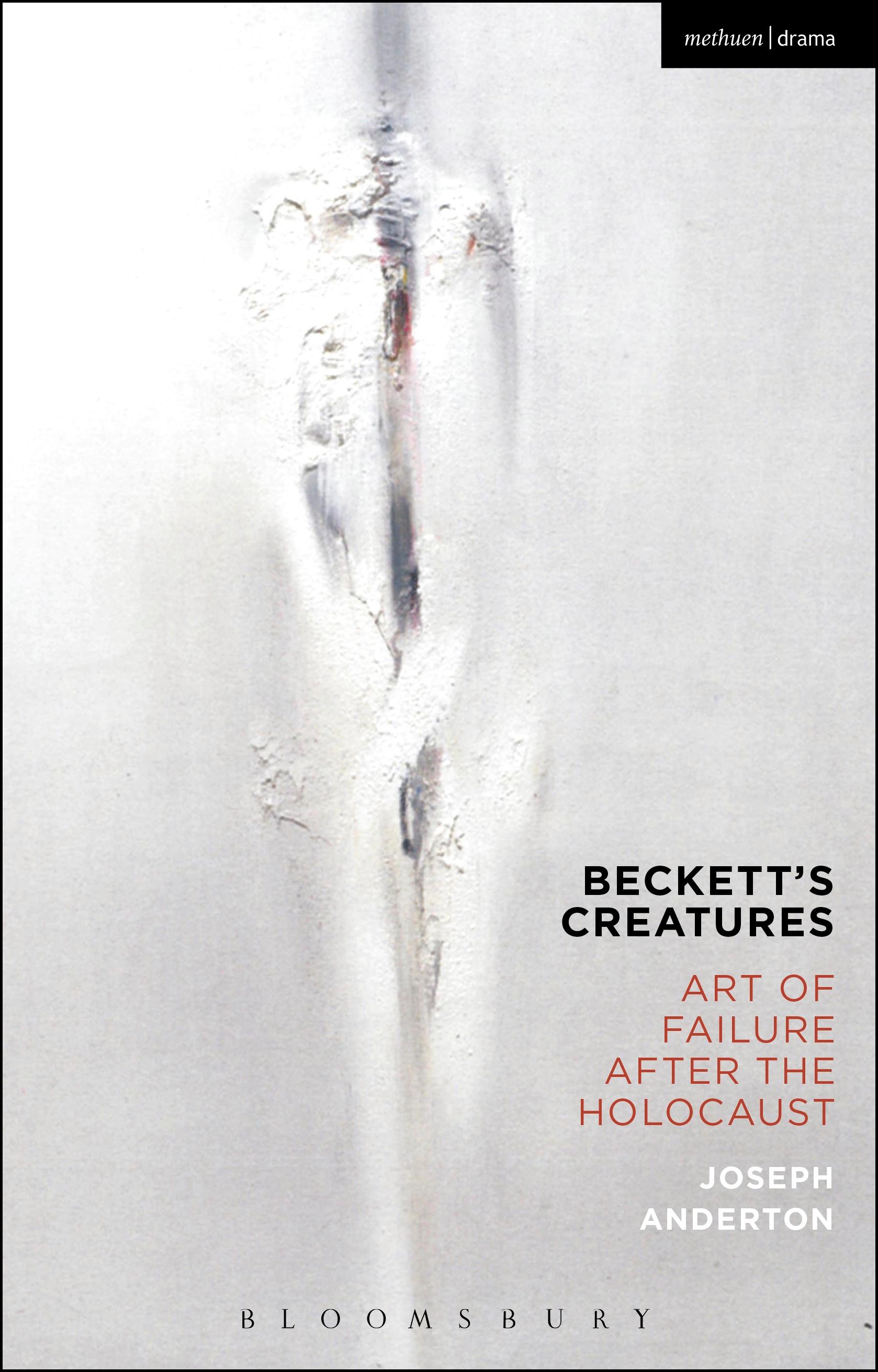
In the shadow of the Holocaust, Samuel Beckett captures humanity in ruins through his debased beings and a decomposing mode of writing that strives to 'fail better'. But what might it mean to be a 'creature' or 'creaturely' in Beckett's world? In the first full-length study of the concept of the creature in Beckett's prose and drama, this book traces the suspended lives and melancholic existences of Beckett's ignorant and impotent creatures to assess the extent to which political value marks the divide between human and inhuman.
Through close readings of Beckett's prose and drama, particularly texts from the middle period, including Molloy, Malone Dies, The Unnamable, Waiting for Godot and Endgame, Anderton explicates four arenas of creaturely life in Beckett. Each chapter attends to a particular theme – testimony, power, humour and survival – to analyse a range of pressures and impositions that precipitate the creaturely state of suspension.
Drawing on the writings of Adorno, Agamben, Benjamin, Deleuze and Derrida to explore the overlaps between artistic and political structures of creation, the creature emerges as an in-between figure that bespeaks the provisional nature of the human. The result is a provocative examination of the indirect relationship between art and history through Beckett's treatment of testimony, power, humour and survival, which each attest to the destabilisation of meaning after Auschwitz.
Through close readings of Beckett's prose and drama, particularly texts from the middle period, including Molloy, Malone Dies, The Unnamable, Waiting for Godot and Endgame, Anderton explicates four arenas of creaturely life in Beckett. Each chapter attends to a particular theme – testimony, power, humour and survival – to analyse a range of pressures and impositions that precipitate the creaturely state of suspension.
Drawing on the writings of Adorno, Agamben, Benjamin, Deleuze and Derrida to explore the overlaps between artistic and political structures of creation, the creature emerges as an in-between figure that bespeaks the provisional nature of the human. The result is a provocative examination of the indirect relationship between art and history through Beckett's treatment of testimony, power, humour and survival, which each attest to the destabilisation of meaning after Auschwitz.
Betaal eenvoudig met kaart, Klarna, Apple Pay of Google Pay. Niet tevreden? Je hebt altijd 14 dagen bedenktijd. Lees meer in onze voorwaarden. Heb je vragen, mail ons dan via hello@memmo.org.
Memmo maakt studeren makkelijker – waar je ook bent ter wereld. Wij brengen je cursusboeken en slimme studietools samen op één plek: samenvattingen, quizzen, podcasts en flashcards. En Ted, je studievriend die antwoord geeft op alles wat je je afvraagt. Meer dan 50.000 studenten studeren hier al – gebouwd om je sneller te laten leren en minder stress te geven.