
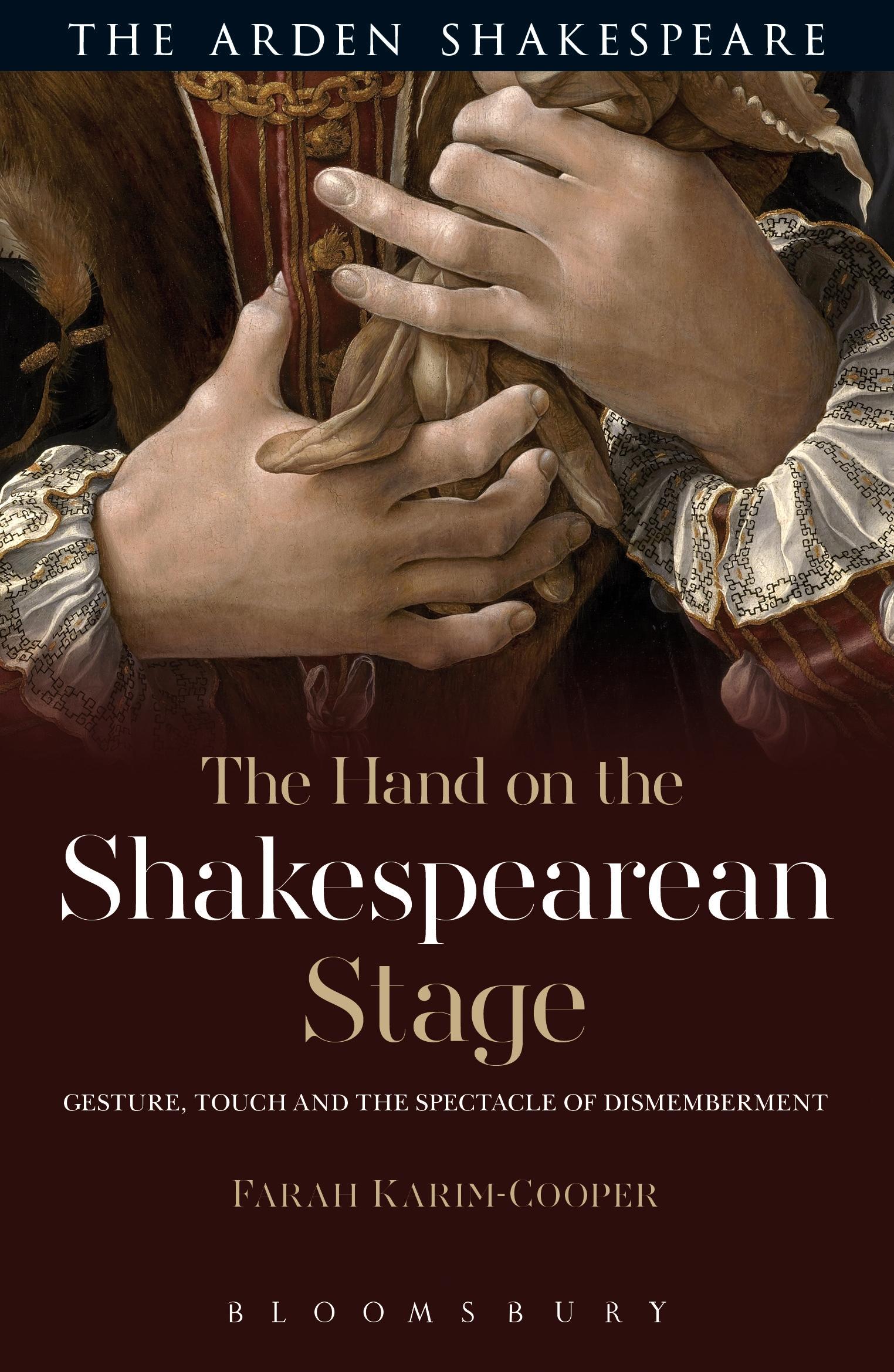
This ground-breaking new book uncovers the way Shakespeare draws upon the available literature and visual representations of the hand to inform his drama.
Providing an analysis of gesture, touch, skill and dismemberment in a range of Shakespeare's works, it shows how the hand was perceived in Shakespeare's time as an indicator of human agency, emotion, social and personal identity. It demonstrates how the hand and its activities are described and embedded in Shakespeare's texts and about its role on the Shakespearean stage: as part of the actor's body, in the language as metaphor, and as a morbid stage-prop. Understanding the cultural signifiers that lie behind the early modern understanding of the hand and gesture, opens up new and sometimes disturbing ways of reading and seeing Shakespeare's plays.
Providing an analysis of gesture, touch, skill and dismemberment in a range of Shakespeare's works, it shows how the hand was perceived in Shakespeare's time as an indicator of human agency, emotion, social and personal identity. It demonstrates how the hand and its activities are described and embedded in Shakespeare's texts and about its role on the Shakespearean stage: as part of the actor's body, in the language as metaphor, and as a morbid stage-prop. Understanding the cultural signifiers that lie behind the early modern understanding of the hand and gesture, opens up new and sometimes disturbing ways of reading and seeing Shakespeare's plays.
Betaal eenvoudig met kaart, Klarna, Apple Pay of Google Pay. Niet tevreden? Je hebt altijd 14 dagen bedenktijd. Lees meer in onze voorwaarden. Heb je vragen, mail ons dan via hello@memmo.org.
Memmo maakt studeren makkelijker – waar je ook bent ter wereld. Wij brengen je cursusboeken en slimme studietools samen op één plek: samenvattingen, quizzen, podcasts en flashcards. En Ted, je studievriend die antwoord geeft op alles wat je je afvraagt. Meer dan 50.000 studenten studeren hier al – gebouwd om je sneller te laten leren en minder stress te geven.